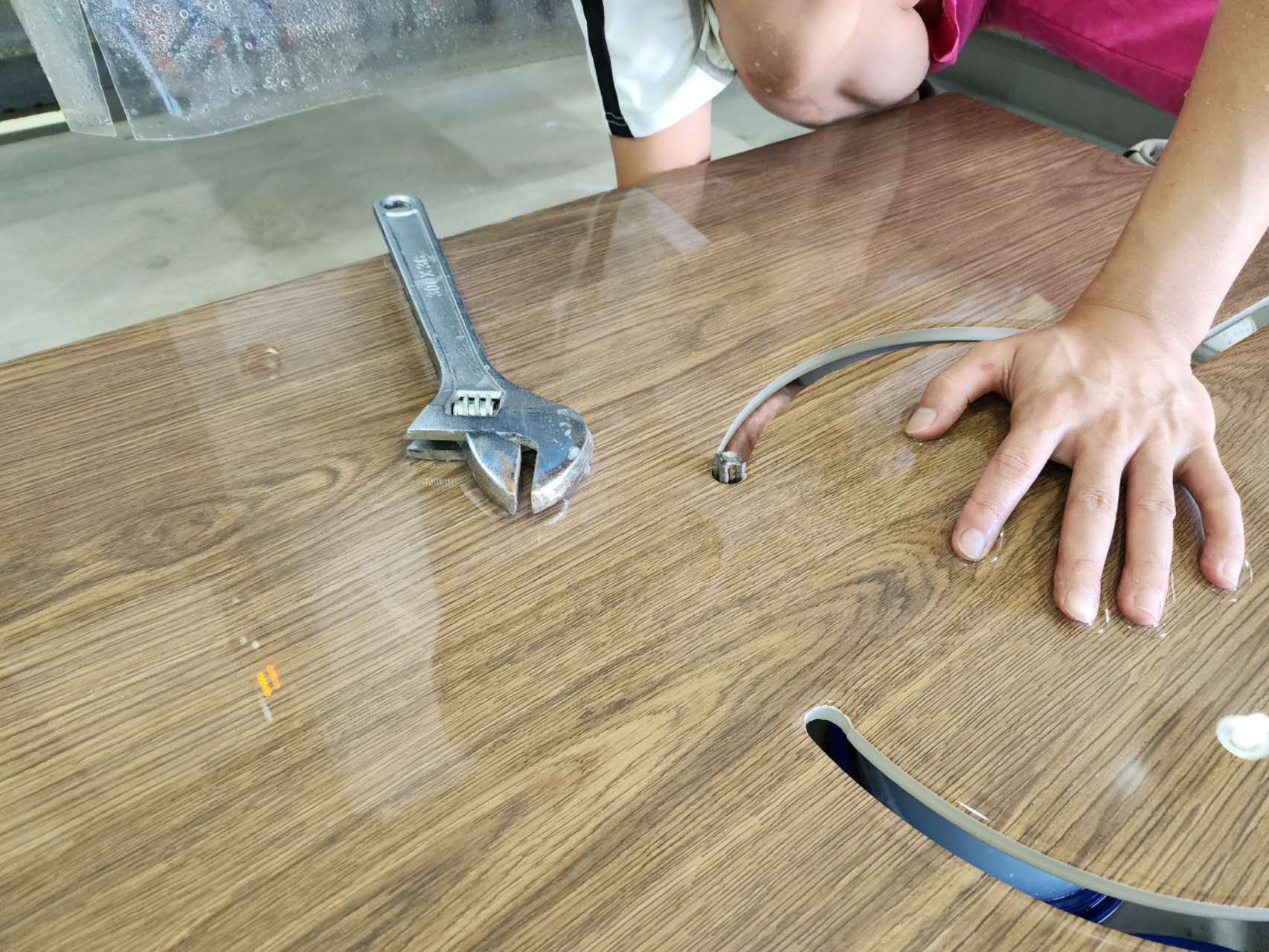
The first time I tried cutting sintered stone slabs, I thought it would be as straightforward as working with quartz or granite. I had the right measurements, the design plan in hand, and a sense of confidence that I’d handled plenty of stone surfaces before. Within minutes, though, I realized this material plays by its own rules. My usual blade struggled, edges chipped more easily than I expected, and it became clear that sintered stone demands a much more careful approach.
Sintered stone isn’t just another surface—it’s an engineered material created through extreme heat and pressure, replicating the natural processes that form stone over thousands of years. The result is a slab that’s not only incredibly durable and resistant to heat, scratches, and stains, but also unforgiving if you don’t cut it properly. Unlike softer surfaces, sintered stone’s density and brittleness make it easy to damage if the wrong tools or techniques are used.
That’s why anyone planning to fabricate countertops, flooring, or wall panels with this material needs to understand what sets it apart. Cutting sintered stone slabs isn’t just about making straight lines—it’s about precision, technique, and knowing how to handle a material that doesn’t tolerate shortcuts.
In this post, I’ll share both technical insights and some hard-earned lessons from experience. You’ll learn:
- What makes cutting sintered stone so different from working with ceramic, quartz, or granite
- The essential tools you’ll need to avoid costly mistakes
- Cutting methods that deliver clean, precise results
- Safety precautions to protect both you and your slabs
- The most common pitfalls I’ve seen (and made) when working with this material
- Where sintered stone truly shines in finished applications
By the end, you’ll have a clear roadmap for approaching sintered stone cutting—whether you’re a fabricator, contractor, or simply curious about what goes into transforming raw slabs into finished designs.
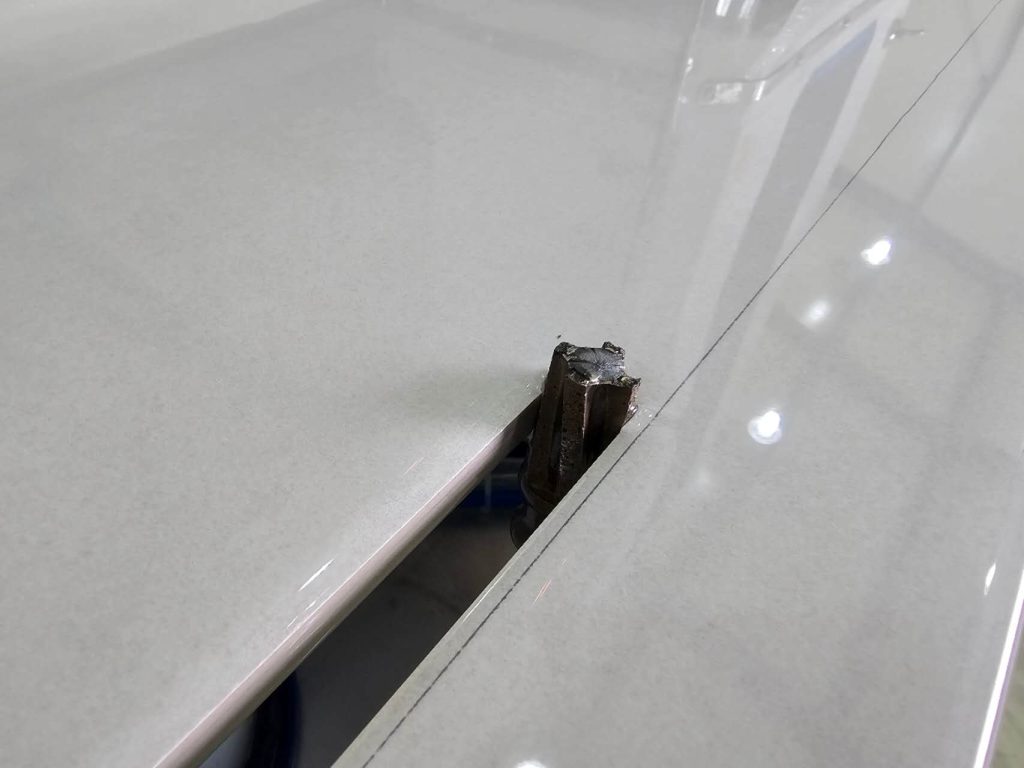
What Makes Cutting Sintered Stone Slabs Challenging?
When I first started working with sintered stone slabs, I underestimated just how different they were from other materials I’d cut before. I’d been comfortable cutting granite, marble, and even large porcelain tiles, but sintered stone quickly taught me a lesson: it’s tougher, denser, and far less forgiving if you make a mistake.
Unique Properties of Sintered Stone
Sintered stone is made by fusing natural minerals under extreme heat and pressure. The process creates a surface that’s harder and more compact than most stones you’ll encounter. That density is great for end users—it means the slab is resistant to scratches, stains, UV light, and even extreme temperatures. But for anyone cutting it, the same properties that make it durable also make it difficult to work with.
How It Differs from Other Materials
At first glance, you might think sintered stone cuts like ceramic tiles or quartz, but it doesn’t. Ceramic is much softer and more forgiving. Quartz, though tough, still gives you a bit of leeway if your cut isn’t perfect. Sintered stone doesn’t. It has a brittleness to it—similar to glass—where even the smallest vibration or uneven pressure can ruin the edge.
I remember once trying to rush through a cut using a standard tile blade. The result? A jagged, chipped corner on a slab worth hundreds of dollars. That mistake taught me quickly that you can’t treat sintered stone like any other surface—you need the right tools and the right approach.
Why Standard Cutting Methods Don’t Work Well
The temptation is to use the same wet saw or dry cutting tools you’d use on porcelain or granite. The problem is, standard blades wear out too fast and create too much stress on the slab. Sintered stone needs diamond blades specifically designed for this type of material, and even then, you have to cut at the right speed and with proper cooling to avoid breakage.
In short: sintered stone slabs aren’t impossible to cut, but they demand respect. You can’t improvise your way through the process.
Essential Tools for Cutting Sintered Stone
If there’s one thing I’ve learned from working with sintered stone, it’s that the right tools make all the difference. Early on, I tried to get by with equipment that worked perfectly fine for quartz or porcelain, only to find myself with chipped edges and wasted material. After a few painful mistakes, I realized that cutting sintered stone is all about precision — and that means investing in tools designed specifically for the job.
Diamond Blades Designed for Sintered Stone
Not all diamond blades are created equal. The first time I used a standard tile blade, I could literally hear it struggling against the density of the slab, and within minutes the edge chipped. The fix? Specialized diamond blades engineered for ultra-compact surfaces. These blades have a fine, continuous rim that reduces vibration and gives you smoother, cleaner cuts.
CNC Machines and Bridge Saws
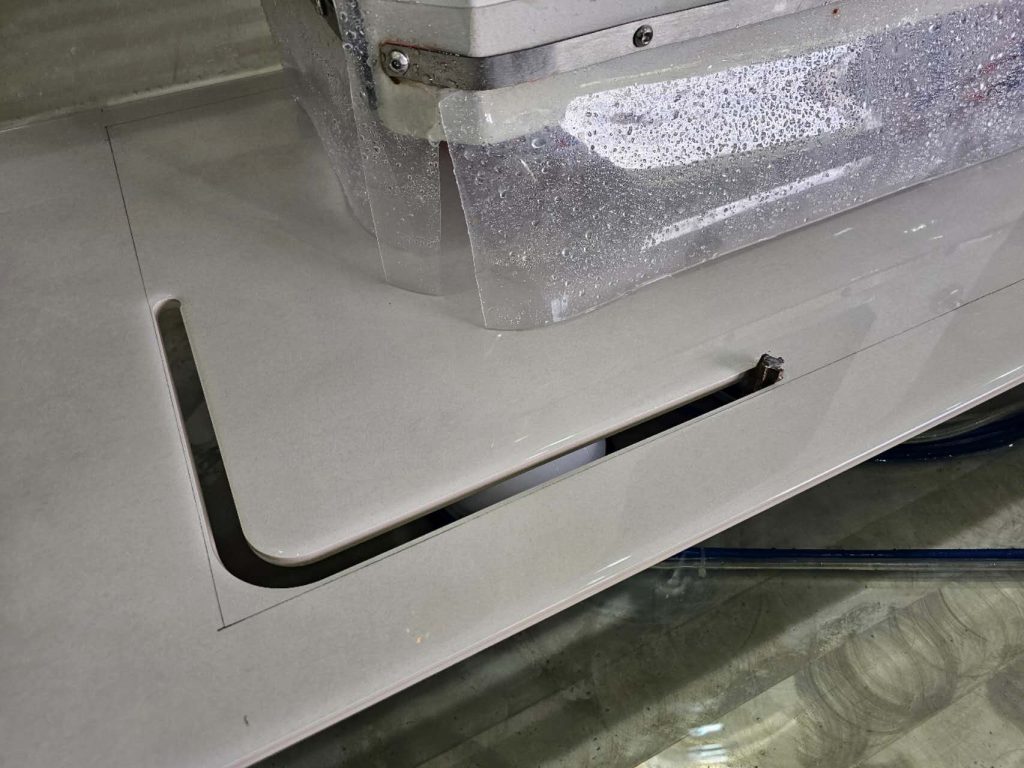
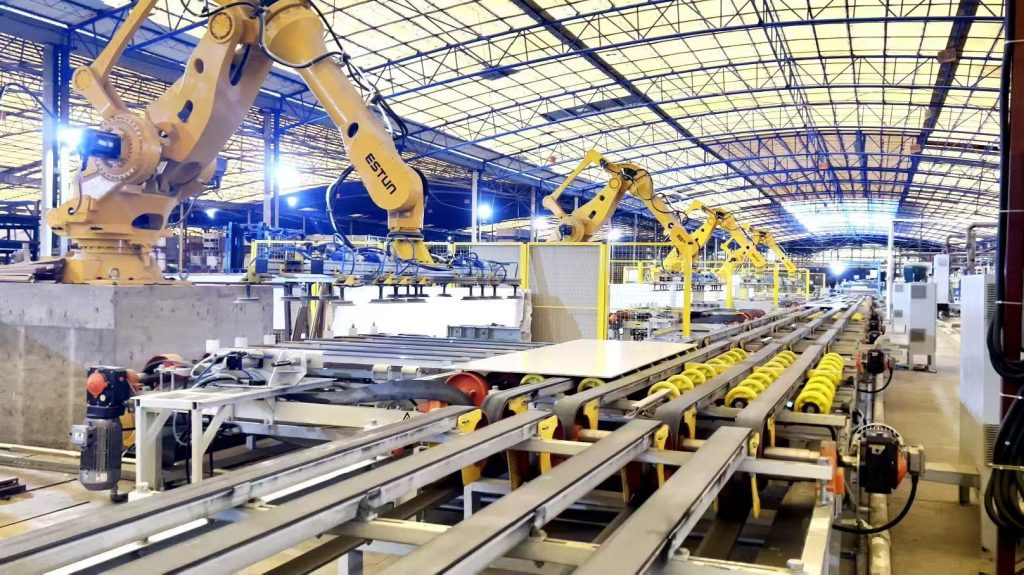
For larger projects, especially when fabricating countertops, I rely on CNC machines or bridge saws. They provide the kind of stability and accuracy that handheld tools just can’t match. A CNC machine is especially useful for intricate shapes, sink cut-outs, or curved edges where precision is non-negotiable.
Waterjet Cutting Technology
When it comes to the cleanest, most precise cuts, waterjet cutting is in a league of its own. The first time I saw a slab cut with a waterjet, I was amazed at how smooth the edges were — almost no finishing required. It’s ideal for detailed designs or custom patterns that would be risky with a saw blade.
Hand Tools vs. Industrial Machines
Yes, you can cut sintered stone with smaller handheld tools, but from experience, I can tell you it’s a gamble. They’re fine for small adjustments or trimming edges, but for major cuts, you’re asking for trouble. My rule now is simple: handheld tools are for touch-ups, machines are for the real work.
The bottom line? Sintered stone doesn’t give second chances. With the wrong blade or tool, you’ll end up frustrated and out a lot of money. With the right setup, though, cutting becomes predictable, clean, and far less stressful.
Cutting Techniques for Best Results
Even with the right tools, cutting sintered stone slabs is a skill that takes patience to master. My first few cuts were disasters. Edges chipped, blades overheated, and I wasted more material than I’d like to admit. Over time, though, I learned that it’s less about brute force and more about finesse.
Dry Cutting vs. Wet Cutting
I tried dry cutting once — never again. The dust was overwhelming, the blade dulled almost immediately, and the edge came out rough. Wet cutting, on the other hand, has become my go-to. The constant water flow keeps the blade cool, reduces dust, and minimizes the stress on the slab.
Precision Cuts for Countertops and Vanities
When fabricating kitchen countertops or bathroom vanities, accuracy is everything. Sintered stone doesn’t forgive rushed work — a millimeter off can ruin a whole piece. I’ve learned to make slow, steady passes with the blade rather than forcing it through quickly.
Mitre Cutting for Seamless Edges
One of the trickiest techniques I had to learn was the mitre cut. It’s essential when you want to create seamless joints, like a waterfall edge on a countertop. At first, my mitres were uneven and chipped. The trick is to use a high-quality bridge saw or CNC machine and take your time.
Drilling and Shaping Sintered Stone
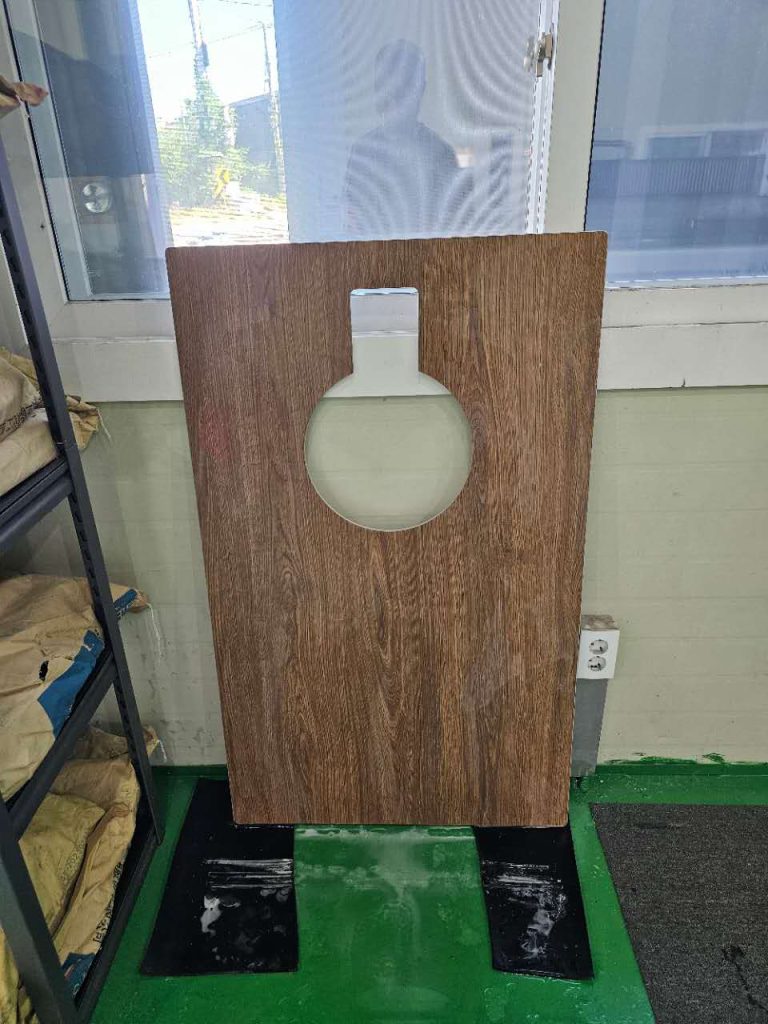
Another challenge was making cut-outs for sinks, faucets, or electrical sockets. Trying to rush through with the wrong drill bit resulted in cracks more than once. What works best for me now is using diamond-tipped drill bits with plenty of water cooling, and avoiding too much pressure.
If there’s one lesson I’ve learned, it’s this: slow and steady always wins when cutting sintered stone.
Safety Precautions When Cutting Sintered Stone
When I first started working with sintered stone slabs, I was so focused on getting clean cuts that I overlooked something just as important: safety. After one rushed job without proper dust control, I spent the evening coughing and feeling lightheaded. That was my wake-up call.
Dust Control and Ventilation
Dry cutting produces a huge amount of fine dust. Not only does it coat everything in your workspace, but it can also be harmful if inhaled. These days, I stick to wet cutting or make sure I’m working in a well-ventilated area with proper dust extraction.
Personal Protective Equipment (PPE)
My standard gear now includes a fitted respirator mask, safety goggles or face shield, hearing protection, and heavy-duty gloves. It might feel like overkill at first, but it makes a huge difference.
Safe Slab Handling and Movement
Sintered stone slabs are heavy and surprisingly brittle if not supported properly. I always use suction lifters, A-frame storage racks, and an extra set of hands when moving large pieces.
Mindset: No Rushing
Every time I rushed a job — skipped clamping, ignored PPE — I regretted it. Slabs cracked, blades burned out, and I put myself at risk. Slowing down keeps both me and the material safe.
Common Mistakes to Avoid
I’ve made plenty of mistakes with sintered stone, and they’ve taught me some valuable lessons:
- Using the wrong blade or tool: Regular porcelain blades just don’t cut it (literally).
- Cutting too fast or with too much pressure: This almost guarantees overheating and cracking.
- Ignoring edge finishing: Raw edges not only look bad but are more likely to weaken over time.
- Poor handling: Slabs are strong when installed but fragile in fabrication. Mishandling can crack them instantly.
- Skipping safety measures: PPE and dust control aren’t optional.
Avoiding these mistakes doesn’t just save money — it saves frustration.
Applications of Cut Sintered Stone Slabs
After all the challenges of cutting sintered stone slabs, the results make it worthwhile.
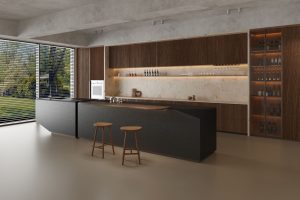
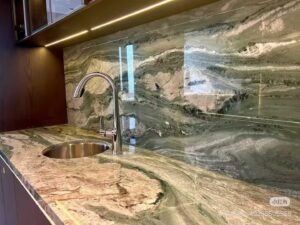
- Kitchen Countertops and Backsplashes: Durable, heat-resistant, and sleek, with seamless mitred edges.
- Bathroom Vanities and Shower Walls: Perfect for wet areas thanks to being non-porous.
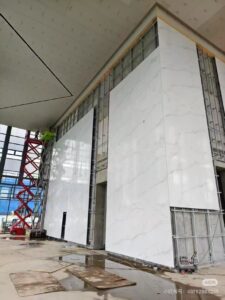
- Flooring and Wall Cladding: Large-format slabs create seamless, modern surfaces.
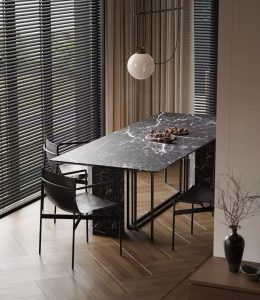
- Custom Furniture and Panels: From dining tables to fireplace surrounds, the design possibilities are endless.
For me, seeing a raw slab transformed into a finished product is the most rewarding part of the process.
Conclusion
Looking back on my journey with cutting sintered stone slabs, I can honestly say it’s been both humbling and rewarding. When I first started, I made every mistake possible — from using the wrong blades to rushing cuts and cracking slabs that cost me dearly. But over time, I learned that working with this material isn’t about brute force or shortcuts. It’s about patience, precision, and respect for what makes sintered stone unique.
The key lessons are simple:
- Use the right tools and blades.
- Cut slowly and steadily.
- Never skip safety precautions.
- Handle slabs with care.
Yes, sintered stone is challenging to cut. But once you master the process, the possibilities are incredible — sleek countertops, seamless shower walls, durable floors, and custom furniture that lasts a lifetime.
If you’re just starting out with this material, don’t be discouraged by the learning curve. With the right tools, techniques, and a little patience, you’ll find that cutting sintered stone slabs isn’t just a technical process — it’s a craft. And when you see the final product installed, every careful cut will feel worth it.