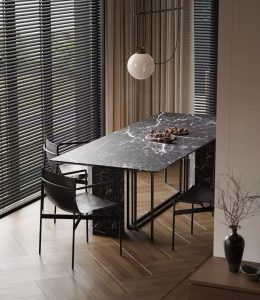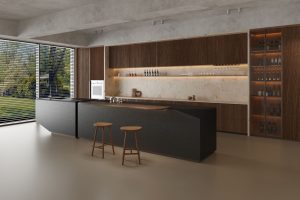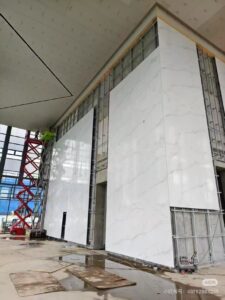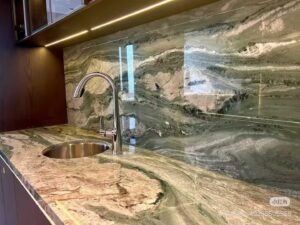

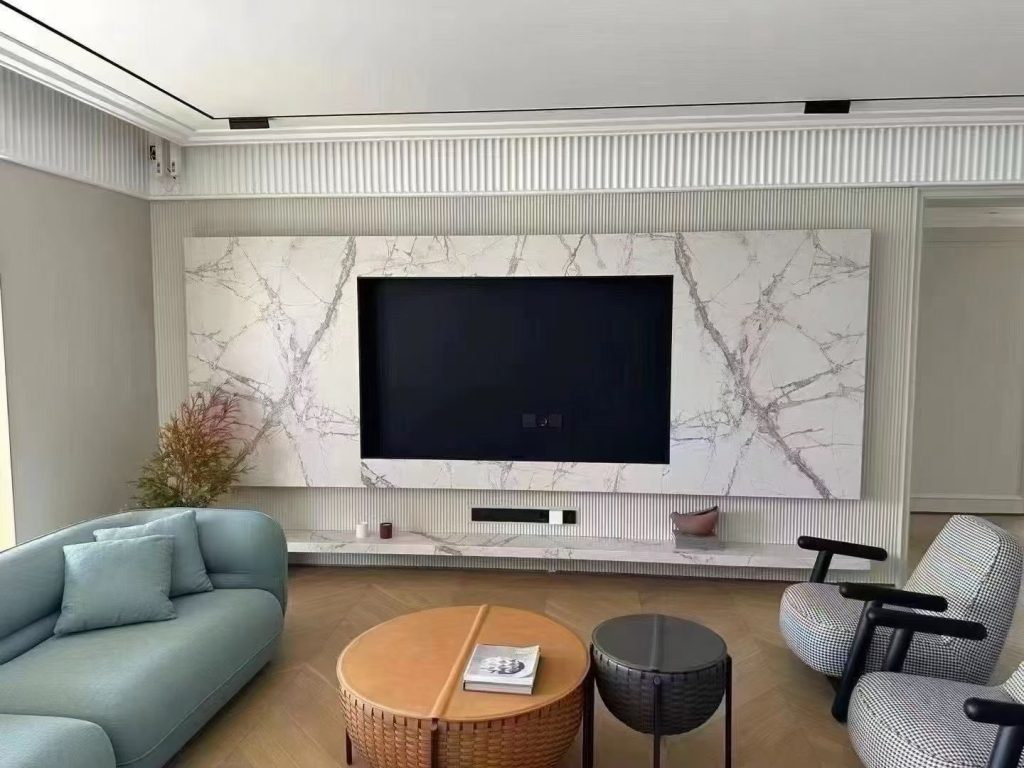
If you’ve been exploring materials for your next renovation or design project, you’ve probably come across sintered stone — that sleek, durable surface that looks like marble but performs like steel.
It’s strong, sustainable, and fast becoming a designer favorite around the world.
But if you’ve started comparing suppliers, one question probably crossed your mind:
“Is Chinese sintered stone actually good quality?”
It’s a fair concern. After all, China now produces a huge share of the world’s sintered stone. Many buyers wonder if it holds up to the big European names like Laminam or Neolith.
Having worked in this industry for years, I’ve seen firsthand how far Chinese production has come — and honestly, the quality today might surprise you.
Let’s take a closer look at what makes Chinese sintered stone stand out, how it’s made, and what to check before buying.
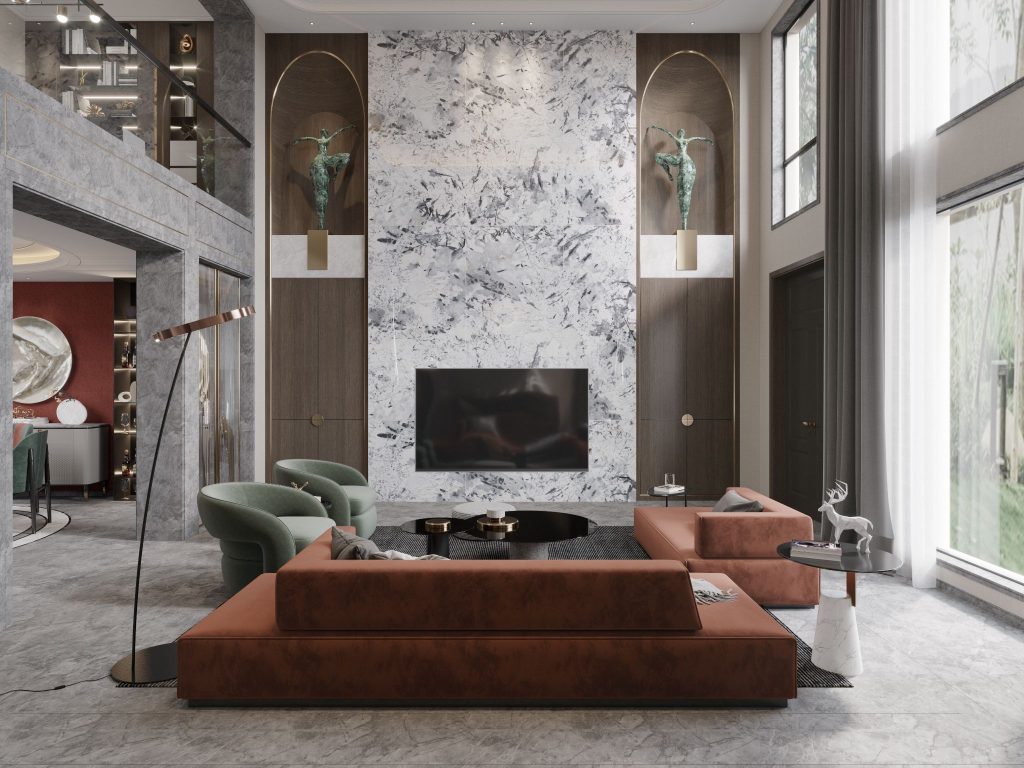
What Is Sintered Stone and Why It’s Gaining Popularity Worldwide
Think of sintered stone as the next evolution of surface materials.
It’s made by compressing natural minerals like quartz, feldspar, and clay under extreme heat and pressure — over 1200°C, to be exact. The result is an ultra-hard, non-porous slab that’s resistant to heat, stains, and scratches.
In short: it looks like natural stone, but it behaves like engineered perfection.
That’s why you’ll find it in:
- Kitchen countertops that take daily wear and tear
- Bathroom vanities that stay spotless for years
- Floor and wall panels that never fade
- Outdoor furniture that can handle rain and sunshine
- and more…
When I first started visiting factories years ago, most sintered stone came from Italy or Spain. But now, cities like Foshan, Xiamen, and Shandong have become major production centers in China — packed with advanced equipment and skilled technicians.
The shift came from technology and experience. Chinese factories began importing Italian machinery, adopting digital printing, and fine-tuning their production standards.
Today, it’s not unusual to see a Chinese-made slab that rivals — or even outperforms — European options in both looks and consistency.
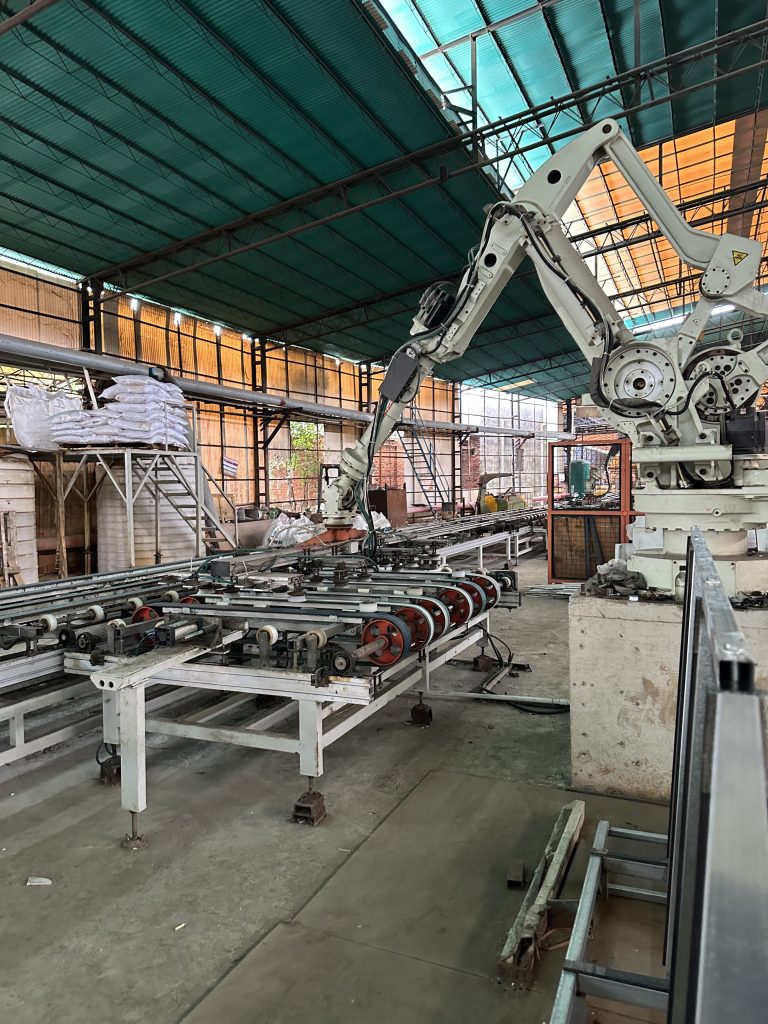
How Chinese Manufacturers Produce High-Quality Sintered Stone
“Made in China” used to raise eyebrows — especially in the stone industry. But in sintered stone, that old stereotype doesn’t hold up anymore.
Most of the leading manufacturers in Foshan ,like Grandeur Sintered Stone , use SACMI and SYSTEM presses — the exact same machinery used by top-tier European brands.
When you stand next to one of these massive 25,000-ton presses, you can actually feel the vibration in your chest. That’s the power that compacts the mineral mix into a dense, flawless slab.
Here’s a quick breakdown of the process:
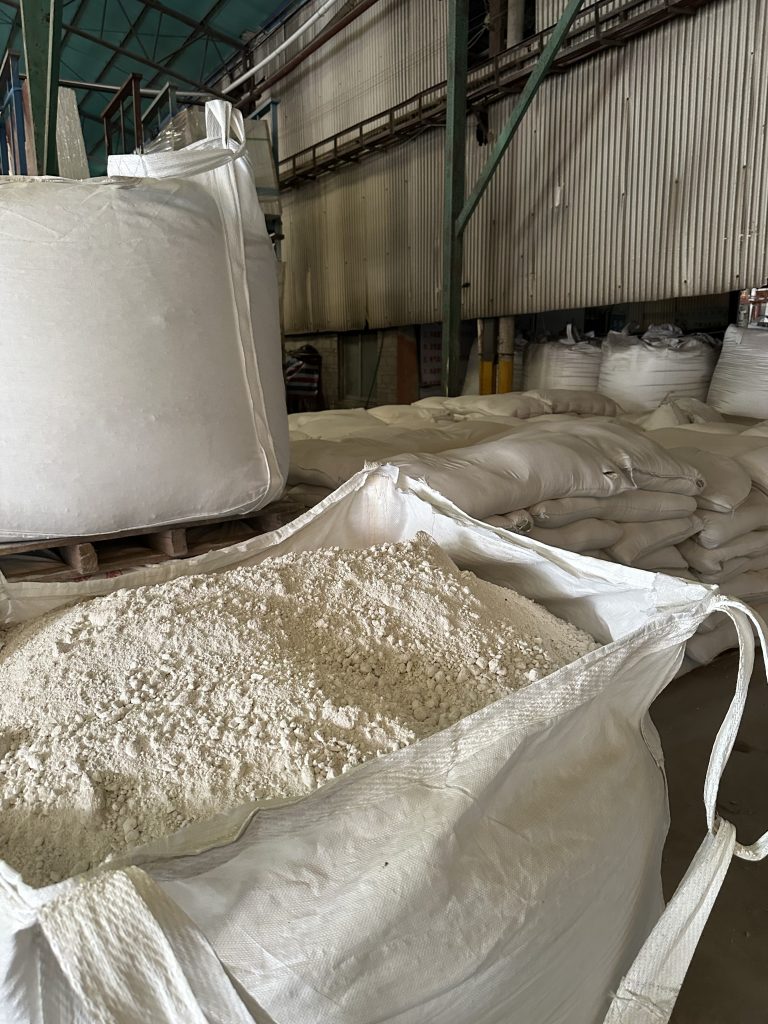
- Raw material selection — high-purity quartz, feldspar, kaolin clay, and pigments.
- Powder preparation — everything is milled into fine powder and blended evenly.
- Pressing — the mix is compacted into shape under immense pressure.
- Sintering — fired above 1200°C, the minerals fuse into a single solid surface.
- Finishing — polishing, honing, or adding texture for the desired finish.
The result? A surface with almost zero porosity. No coffee, oil, or red wine can seep through — something homeowners and designers love.
Another huge leap has been digital inkjet printing. With it, Chinese factories can recreate the look of Calacatta marble, concrete, or even rusted metal with stunning realism. I once stood in a warehouse where a natural marble slab and a sintered stone copy were placed side by side — and even experienced designers couldn’t tell which was which.
In short, while Europe may have started the sintered stone trend, China has mastered the art of scaling it — without losing precision or beauty.
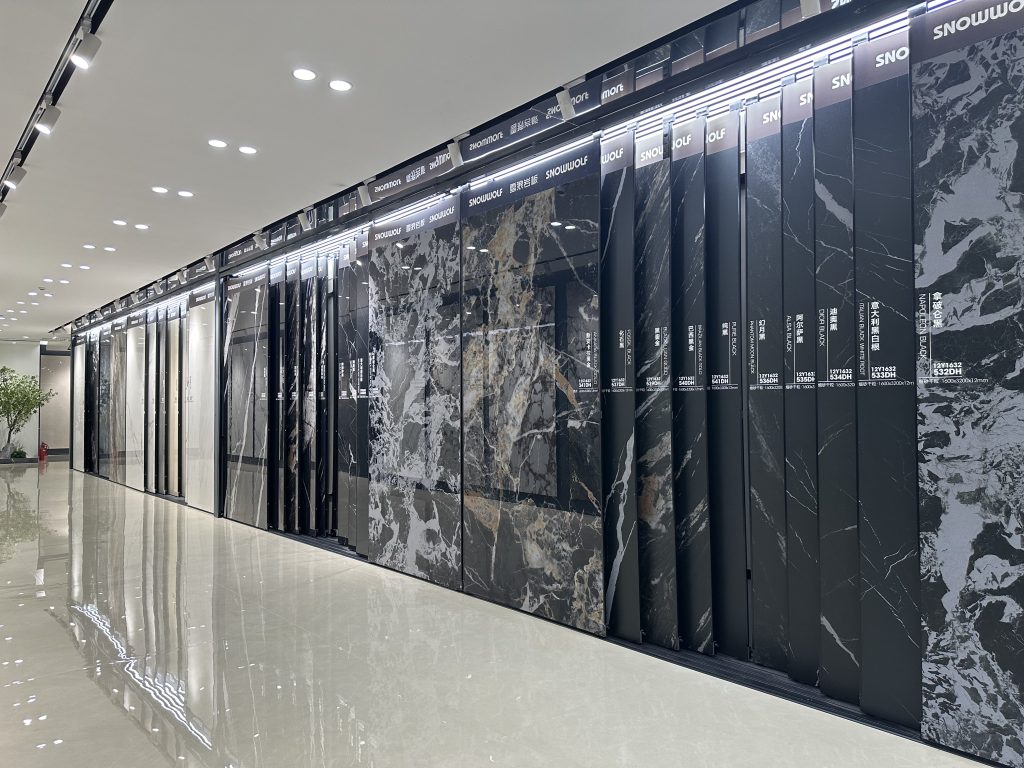
Chinese vs European Sintered Stone — Which Offers Better Value?
Let’s be honest: European brands like Neolith and Laminam built the reputation of sintered stone. They’ve earned their place through decades of innovation.
But today, the gap between European and Chinese sintered stone has narrowed dramatically — not just in quality, but also in design and reliability.
Here’s a quick side-by-side:
| Feature | European Sintered Stone | Chinese Sintered Stone |
|---|---|---|
| Technology | Advanced Italian/Spanish presses | Same SACMI & SYSTEM machinery |
| Quality Control | CE & ISO certified | ISO 9001 & C2T1S1 certified |
| Design Variety | Premium but limited | Huge library, fully customizable |
| Price | Higher (brand markup) | Lower (factory-direct) |
| Lead Time | Often slower | Faster production & shipping |
| Durability | Excellent | Excellent (from top factories) |
I’ve handled both European and Chinese slabs side by side — and truthfully, when sourced from the right factory, the difference is almost impossible to notice.
Some well-known Western brands even outsource part of their production to China now, because of the efficiency and consistency found here.
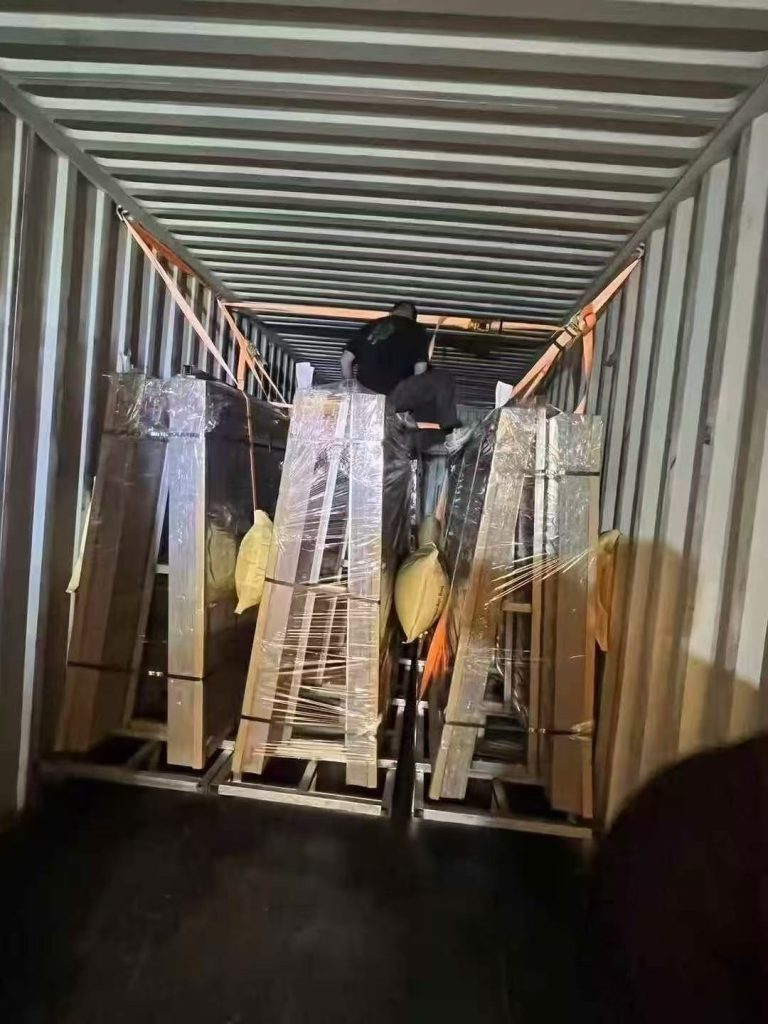
Top Reasons to Choose Sintered Stone from China
If you’re a builder, distributor, or designer, Chinese sintered stone has a lot going for it — and not just the price tag.
1. Factory-Direct Pricing
By sourcing directly from the manufacturer, you skip multiple middlemen. That alone can save you 30–40% on cost, especially when ordering in bulk.
2. A Wide Range of Styles
You can find anything from high-gloss marble looks to subtle matte finishes. Many factories offer 6mm, 12mm, and 20mm thickness options, perfect for everything from kitchen countertops to wall cladding.
3. High Production Capacity
Factories in Foshan and Shandong can turn out thousands of square meters daily. For big projects or export orders, that scale means consistent supply and short lead times.
4. Customization Options
Need a unique design or brand label? Chinese factories are flexible with OEM and ODM services, letting you tailor patterns, sizes, and packaging.
5. Ongoing Innovation
Some of the newer production lines now feature anti-bacterial coatings, soft-touch matte finishes, and more sustainable manufacturing systems.
In my opinion, the combination of technology, affordability, and adaptability makes Chinese sintered stone a smart choice for anyone looking to balance quality with budget.
How to Identify Reliable Chinese Sintered Stone Suppliers
Just like in any industry, quality varies from one factory to another. The key is knowing what to look for.
1. Check Certifications
Top factories will have proper documentation, such as:
- C2T1S1 (for surface performance)
- ISO 9001 (quality management)
- CE certification (European compliance)
2. Review the Technical Data
Good slabs should have:
- Water absorption ≤ 0.1%
- Bending strength ≥ 35 MPa
- Mohs hardness above 6
3. Ask for Samples or a Virtual Factory Tour
Reputable manufacturers are transparent. They’ll gladly show you the production line or send real samples.
4. Look for Export Experience
Suppliers with steady clients in Europe, North America, or the Middle East usually have more reliable quality systems and documentation.
5. Ask About After-Sales Support
The best partners don’t disappear after shipping. They offer technical advice, installation guidance, and consistent communication — a sign they’re invested in long-term cooperation.
Following these steps can save you a lot of time and protect you from headaches down the road.
Final Thoughts — Why Chinese Sintered Stone Is Worth Considering
So, is Chinese sintered stone good quality?
Yes — absolutely, when you choose the right manufacturer.
Over the past few years, the industry in China has evolved beyond recognition. With advanced equipment, rigorous quality control, and a growing design culture, Chinese factories now produce slabs that easily meet — and sometimes exceed — European standards.
If you’re designing a kitchen, fitting out a hotel, or sourcing for a retail project, Chinese sintered stone delivers serious value: exceptional performance, wide design choices, and cost efficiency.
To me, the real key isn’t where the slab comes from — it’s who makes it, and how much care they put into each one.
The best Chinese manufacturers treat sintered stone like an art form — every layer, every polish, every cut is intentional.
And that, more than anything, is what makes their products worth considering.
✅ Key Takeaway:
Chinese sintered stone has grown into a world-class product — beautiful, durable, and reliable.
If you’re sourcing globally, don’t overlook it. Visit factories, request samples, ask questions, and you might be surprised by what modern Chinese craftsmanship can deliver.
About the Author
Grandeur Stone is a professional sintered stone manufacturer and exporter based in Foshan, China, specializing in premium-quality slabs, countertops, and tiles.
With years of experience in the ceramic and sintered stone industry, our team focuses on combining advanced production technology with refined surface design — delivering durable, elegant materials for both residential and commercial projects.
We’ve supplied sintered stone to clients across Europe, North America, the Middle East, and Southeast Asia, helping designers, builders, and distributors bring creative spaces to life.
Ready to Explore Certified Chinese Sintered Stone?
Whether you’re sourcing large-format slabs for your next project or looking for an OEM/ODM partner, Grandeur Stone offers:
- Factory-direct pricing
- International standard certifications (ISO, CE, C2T1S1)
- Customized colors, textures, and finishes
- Reliable global shipping and support
📞 Get in touch today to request a catalog, free samples, or a virtual factory tour.
Visit grandeurstone.com to learn more about our latest sintered stone collections and export solutions.