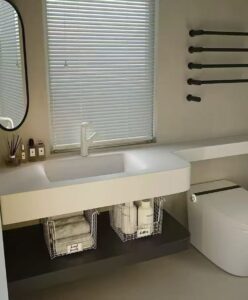
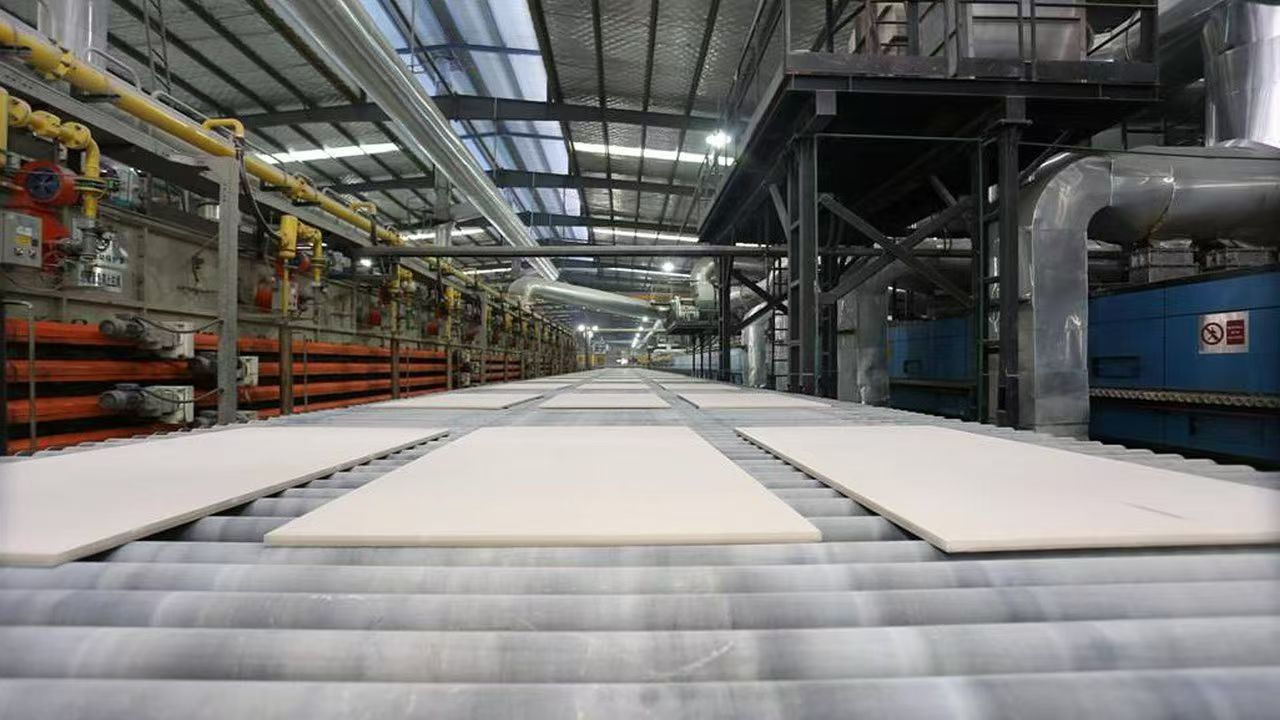
Choosing a sintered stone kitchen backsplash Kazakhstan homeowners can live with for years is about more than picking a fashionable colour. The backsplash must work with the hob, sink, cabinets, lighting and cleaning routine. A well-planned sintered stone surface can create a calm, continuous look while reducing the number of grout lines and porous areas around food preparation zones.
Why consider sintered stone for a kitchen backsplash?
Sintered stone is a slab surface made for demanding interior applications. Its non-porous character can make everyday wiping easier than porous natural stone, while its resistance to scratches, stains and heat makes it suitable for the area behind a hob. These are useful properties for busy kitchens, but they do not remove the need for correct fabrication and installation.
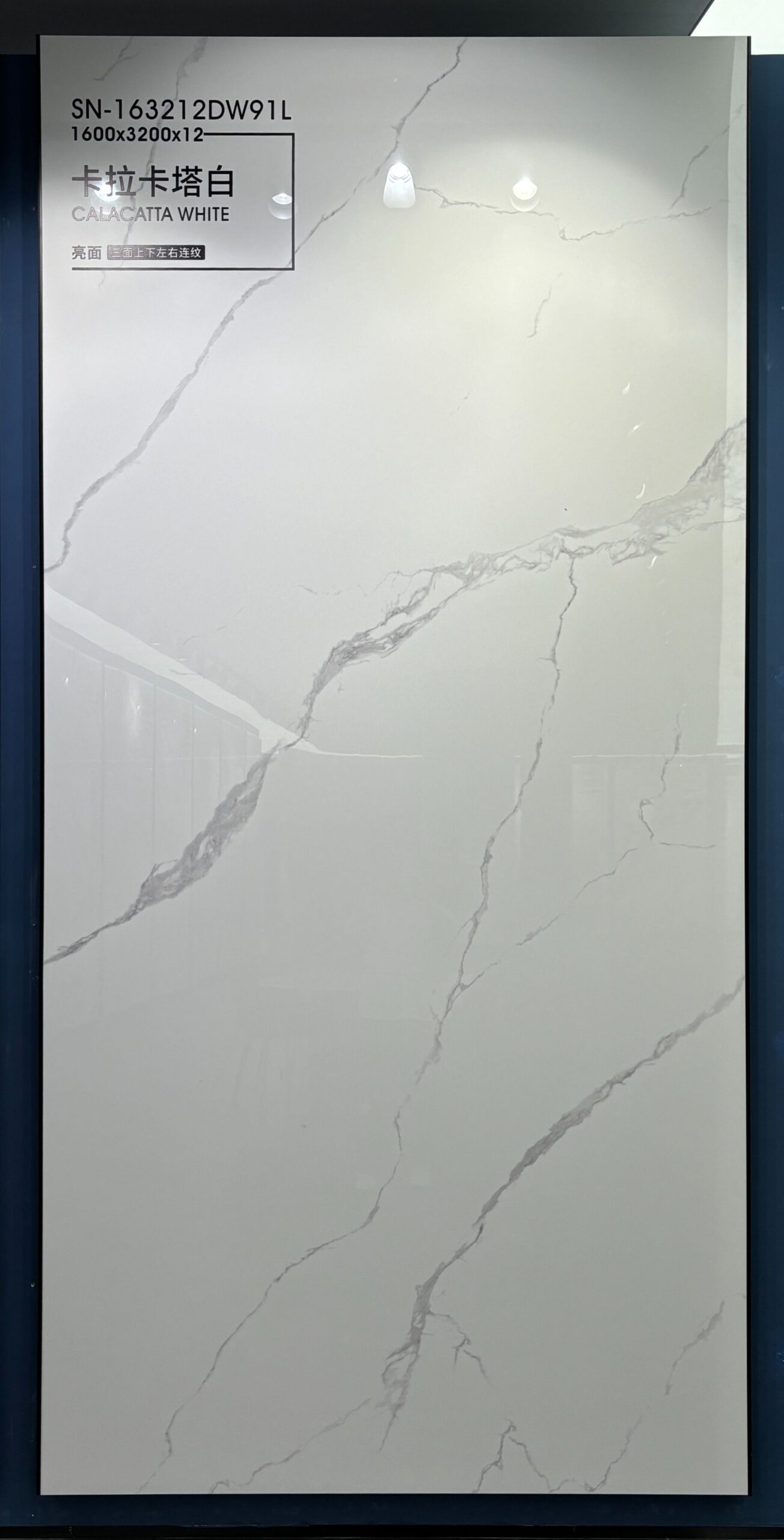
The visual benefit is equally important. A large-format slab can coordinate the backsplash with a worktop or island, helping a kitchen feel less fragmented. Ask to see a full-size sample or slab rather than choosing only from a small colour chip: veining, shade variation and surface texture can look different at project scale.
Five decisions to make before ordering
1. Choose the design around the whole kitchen
Start with cabinet fronts, flooring, worktop colour and natural light. White marble-effect patterns can brighten a darker room, while concrete, stone or solid colours can create a quieter background. For an open-plan home, consider whether the backsplash should match the island or provide a controlled contrast.
2. Confirm slab dimensions and fabrication limits
Measure the wall behind the worktop, including returns, windows, sockets, extractor openings and the height behind the hob. Fewer joints may create a cleaner appearance, but large slabs require safe handling, suitable access routes and an experienced fabricator. Confirm how the supplier will handle cut-outs, internal corners, exposed edges and the seam position before production.
3. Select the finish for real lighting and use
Glossy surfaces reflect more light and can emphasise movement in a patterned design. Matt or textured finishes may provide a softer appearance. View samples in the actual kitchen lighting and ask how the selected finish should be cleaned. The right finish is the one that supports both the design and the household’s routine.
4. Plan the hob, sink and sockets carefully
A backsplash is part of a working wall, not an isolated decorative panel. Keep the hob, range hood, sink, socket locations and cabinet doors in the measurement drawing. Use the appliance manufacturer’s installation requirements and local building requirements for clearances. A fabricator should approve the final drawing before cutting the slab.
5. Ask what is included in the quotation
Compare quotations line by line. Confirm whether the price includes the slab, templating, transport, edge work, cut-outs, installation, adhesive, sealing at junctions and site protection. Also ask about lead time, breakage handling, sample approval and the warranty process. This prevents a low slab price from becoming an unclear installed price.
Installation and daily care
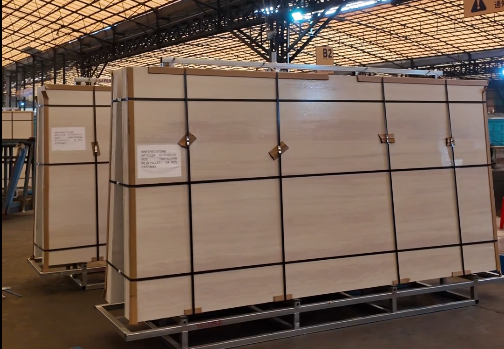
The wall should be sound, flat and ready for the selected installation method. Coordinate the cabinet installer, electrician, appliance installer and stone fabricator so that measurements do not change after templating. Pay special attention to the joint between the backsplash and worktop, internal corners and penetrations around sockets.
For routine care, wipe food and oil splashes with a soft cloth and a suitable neutral cleaner. Avoid abrasive pads and unapproved chemicals that may dull a decorative finish. Although sintered stone is heat resistant, use sensible protection around direct heat, unsupported edges and sudden impact. Do not assume that a surface specification replaces the appliance maker’s instructions.
FAQ
Does a sintered stone backsplash need sealing?
Many sintered stone surfaces are designed to be non-porous, but the finished installation includes joints, cut-outs and wall-to-worktop transitions. Ask the supplier and installer for the care instructions for the exact product and finish.
Is sintered stone better than porcelain or quartz?
There is no universal winner. Compare the actual slab, thickness, finish, fabrication capability, price and warranty. Sintered stone can be attractive when you want a large-format, low-maintenance surface, but installation quality remains decisive.
How should buyers in Kazakhstan compare suppliers?
Request samples, technical information, completed-project photos and a written fabrication scope. A supplier that discusses templating, transport, cut-outs and after-sales support is easier to evaluate than one that quotes only a square-metre price.
Plan your backsplash with BJS
For colour recommendations, slab samples and project guidance, contact BJS sintered stone sales. We can help you review the design, application and fabrication requirements for a kitchen backsplash project in Kazakhstan.