Why pool coping deserves careful material selection
Pool coping is the finished edge around a swimming pool. It frames the water, protects the pool shell and helps direct splash and runoff away from the pool structure. In Australia, it also has to cope with strong sun, hot summer surfaces, changing weather and frequent barefoot use.
Australian search results for pool coping are dominated by natural stone suppliers, local installers and material comparison guides. That leaves a useful gap for homeowners, designers and builders who want to understand how sintered stone can be specified as a precise, low-maintenance alternative. The right decision is not based on colour alone: edge safety, surface texture, slab layout and installation detailing matter just as much.
What is sintered stone pool coping?
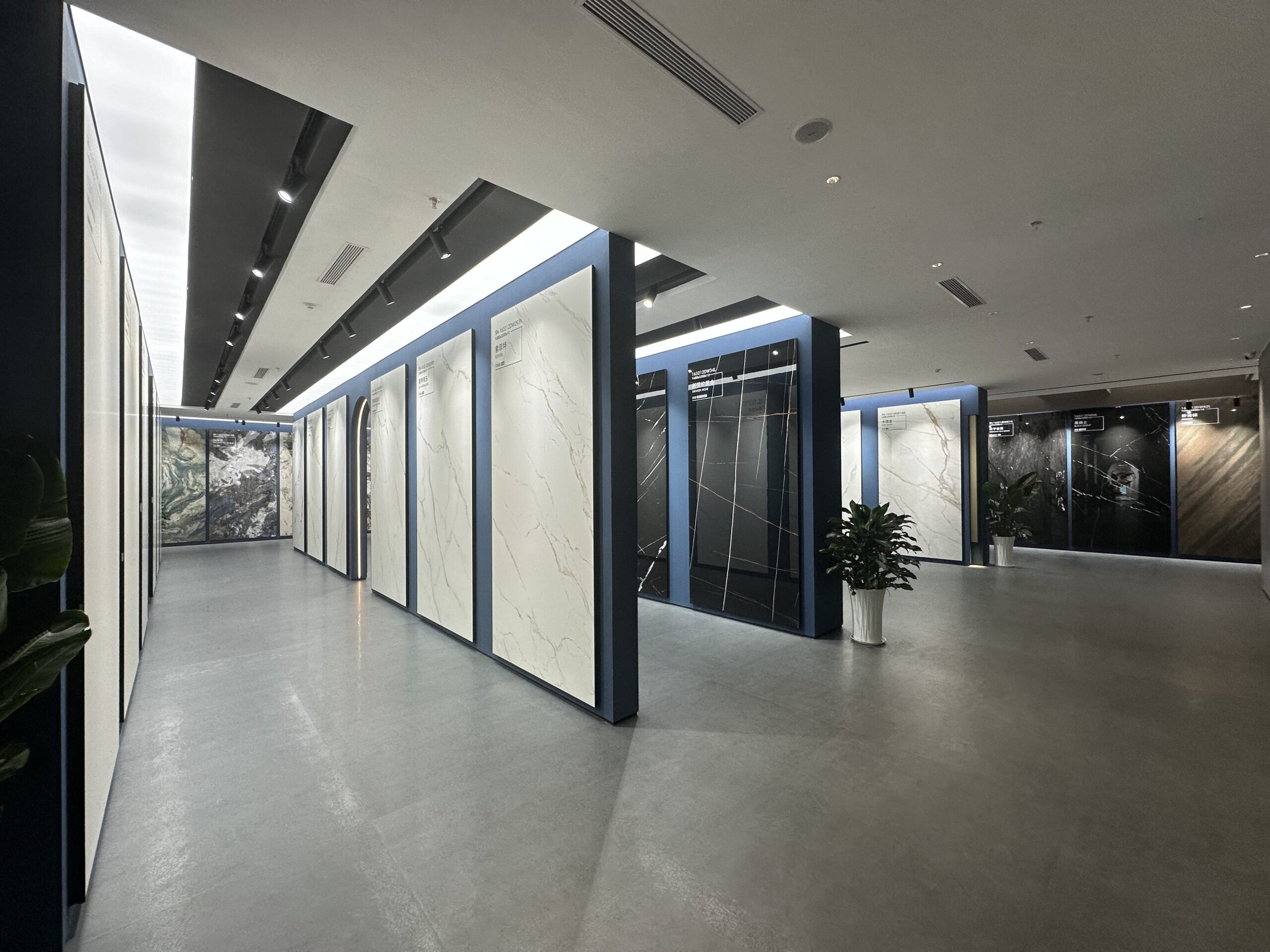
Sintered stone is a manufactured mineral surface produced under high pressure and heat. For pool coping, the relevant benefits are a consistent appearance, design flexibility and a surface that can be selected for outdoor use. However, a slab is only one part of a safe coping system. The installer must still confirm the product’s intended application, finish, edge treatment, substrate and local project requirements.
Ask the supplier for the technical information that applies to the exact colour, thickness and finish you plan to use. Do not assume that every slab in a range has identical outdoor or slip-performance characteristics.
Six checks before choosing pool coping in Australia
1. Prioritise a suitable walking surface
Pool edges are used with wet feet, so the finish should provide appropriate grip without being unpleasant under bare feet. Request finish samples and assess them when wet, not only under showroom lighting. A very polished appearance may be attractive indoors but unsuitable for a pool surround.
2. Consider heat and sun exposure
Dark colours and dense paving can feel hot in full sun. Compare light and mid-tone samples in the actual landscape and ask how the recommended finish performs in the project’s climate. In northern Australia, intense sun and outdoor exposure deserve particular attention; in southern regions, temperature changes and winter conditions may influence detailing and maintenance.
3. Select the edge profile early
Common pool-edge details include square edges, drop faces and rounded or bullnose-style profiles. The choice changes the visual line of the pool and the way water leaves the edge. A rounded profile may feel comfortable at a busy family pool, while a crisp edge can suit a modern architectural design. Confirm the minimum edge radius, fabrication method and acceptable tolerances before ordering.
4. Plan the slab layout, not just the sample
One Australian renovation discussion highlighted how awkward cuts and small pieces can affect the finished coping. Prepare a setting-out drawing showing corners, curves, skimmer boxes, steps and joints. Place cuts where they look intentional, and ask the fabricator to confirm how much material is needed for breakage, matching and replacement pieces.
5. Check drainage and junctions
Coping should work with the pool shell, paving and drainage design. Confirm falls, movement joints, grout width, waterproofing interfaces and the transition to surrounding pavers. The coping material cannot compensate for poor substrate preparation or water-management details. Coordinate the pool builder, stone fabricator and installer before fabrication begins.
6. Verify fabrication, delivery and installation
Pool coping often requires long pieces, mitred corners, curves and service cut-outs. Ask who will template the site, fabricate the edges, inspect finished pieces and protect them during transport. Include drawings, dimensions, finish, thickness, edge profile and installation sequence in the order. A sample approval and dry lay can prevent expensive rework.
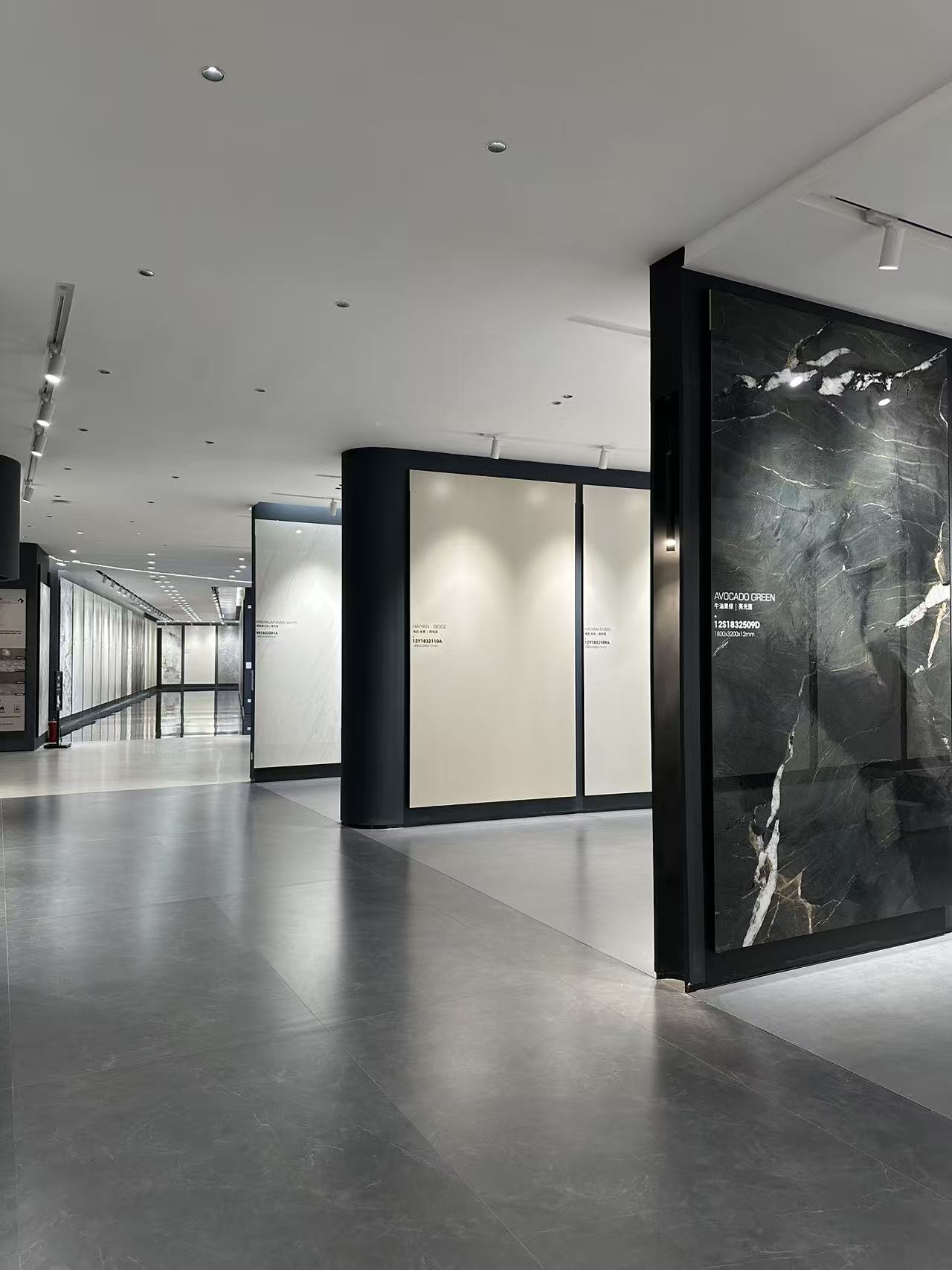
Sintered stone versus natural stone for Australian pools
Natural sandstone, bluestone, limestone, granite and travertine are common coping choices in Australian search results. They can provide distinctive colour and texture, but their appearance, porosity, sealing needs and maintenance vary by stone and supplier. Sintered stone offers a more controlled manufactured appearance and can support coordinated designs across outdoor areas, but it still requires correct specification and professional installation.
For a fair comparison, request the same information for each option: slip guidance, heat considerations, thickness, edge fabrication, cleaning instructions, replacement availability, lead time and installed cost. Do not compare only the square-metre price; fabrication, wastage, transport and site preparation can materially change the budget.
Maintenance and everyday care
Keep the surface free of leaves, sunscreen residue and pool chemicals by following the supplier’s cleaning guidance. Use clean water and a compatible neutral cleaner where recommended, and avoid unapproved abrasive products. Inspect joints and edges periodically, especially after repairs or movement in the surrounding paving. If staining, cracking or rocking pieces appear, have the installation assessed rather than masking the issue with sealers or coatings.
Questions to ask your supplier
- Is this exact finish recommended for outdoor pool coping?
- What slip and cleaning guidance applies when the surface is wet?
- Which edge profiles and corner details can be fabricated?
- What substrate, joint and drainage details does the installer require?
- How will the pieces be packed, labelled and checked before delivery?
FAQ
Is sintered stone suitable for pool coping in Australia?
It can be suitable when the exact product, finish and edge detail are approved for the application and installed on a correctly prepared substrate. Confirm project-specific technical guidance with the supplier and installer.
Should pool coping be light or dark?
Light and mid-tone surfaces are often easier to consider for sun-exposed barefoot areas, but the best choice depends on the finish, landscape, climate and design. Compare real samples in outdoor light.
How do I avoid visible awkward cuts?
Use a setting-out plan before fabrication. Mark corners, curves, steps and joints, then review the layout with the fabricator and installer before cutting.
Plan your Australian pool project with BJS
Good pool coping starts with a complete specification: application, finish, edge profile, dimensions, drainage junctions and installation responsibilities. Contact BJS sintered stone sales for product recommendations, samples, and project support.