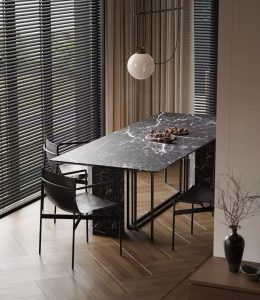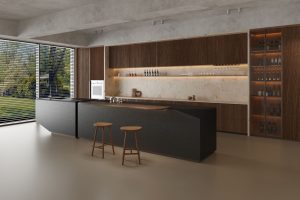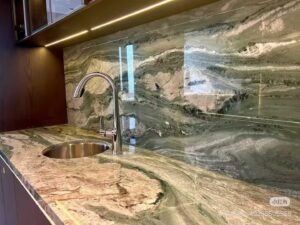
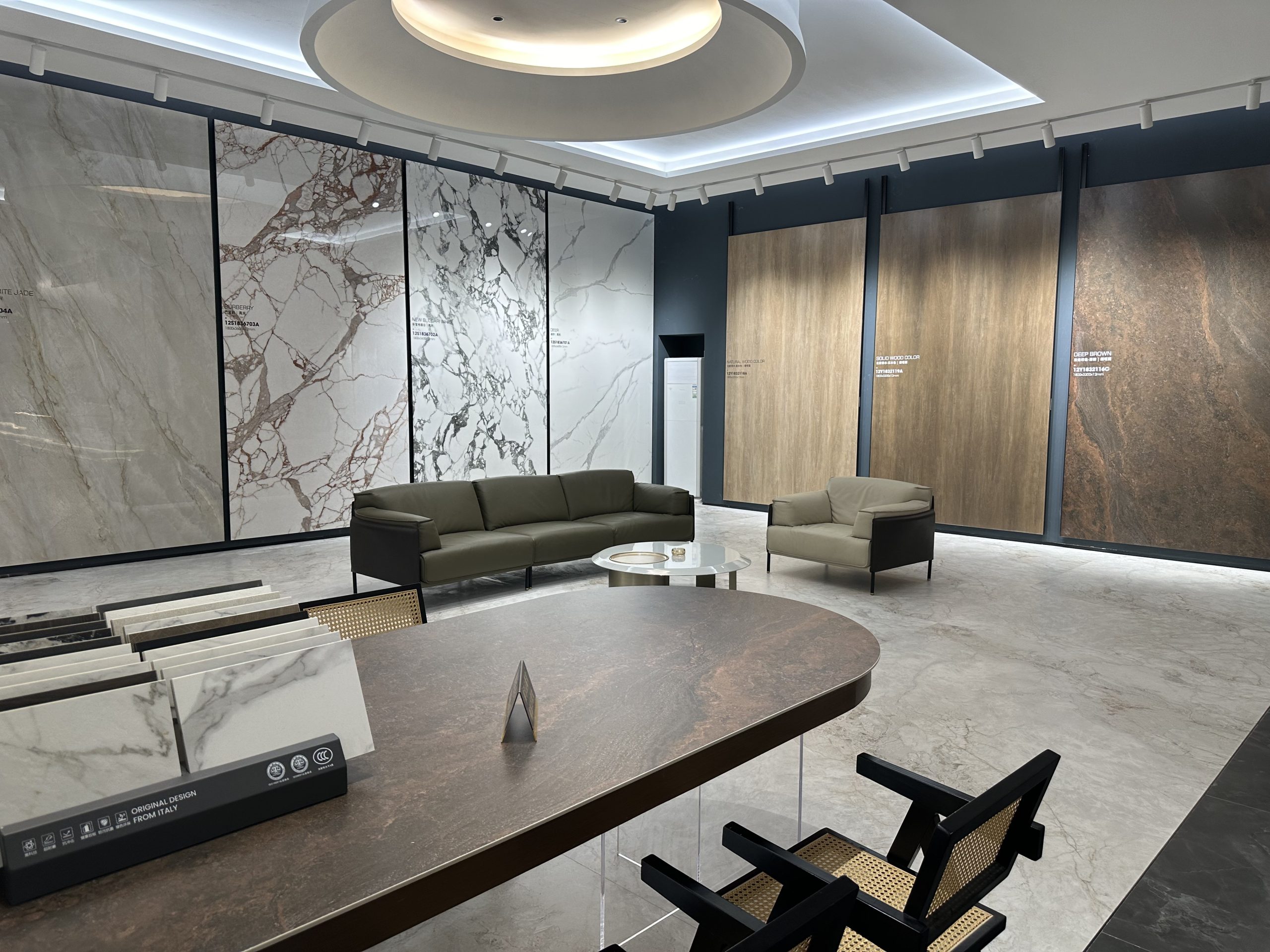
Choosing the right surface for your kitchen, bathroom, or commercial space can feel overwhelming. I’ve worked with both sintered stone and quartz for years, and I’ve seen firsthand how the right material can make a space not only look beautiful but also stand the test of time.
At first glance, sintered stone and quartz can appear similar — sleek, modern, and durable. But the more you work with them, the more you notice the differences. From heat resistance to UV stability, from scratch resistance to design versatility, each has its strengths and weaknesses. In this guide, I’ll walk you through everything you need to know so you can confidently choose the best surface for your project.
What is Sintered Stone?
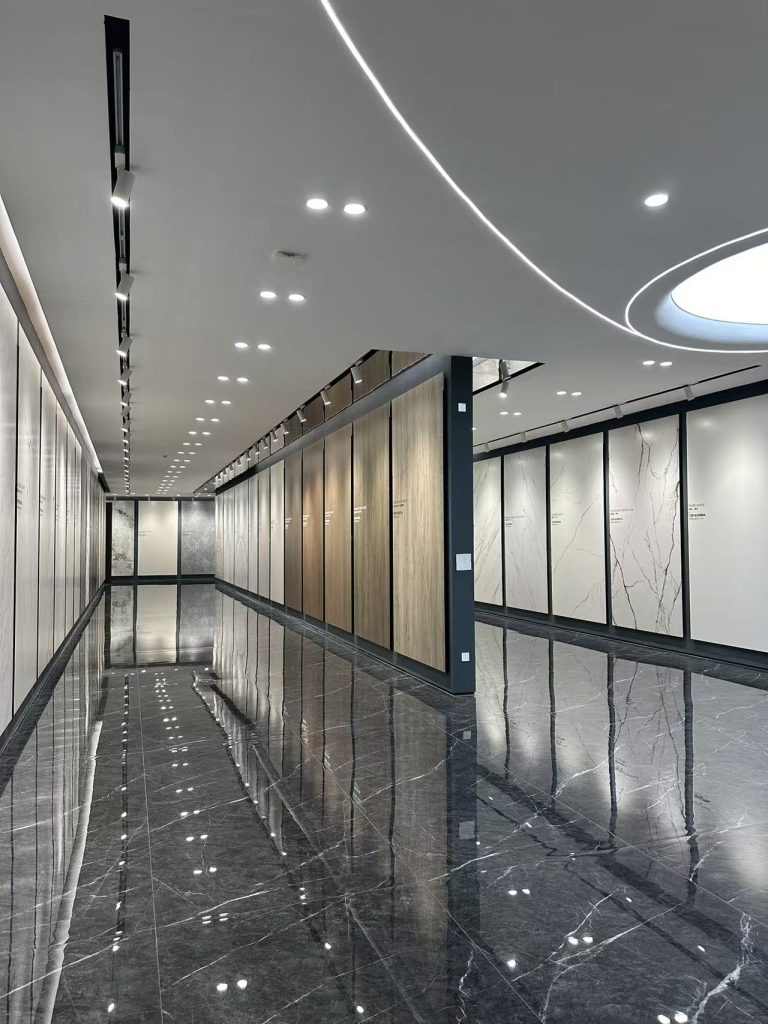
Sintered stone is one of the most impressive materials I’ve had the chance to work with. It’s engineered using natural minerals, fused under extreme heat and pressure — essentially recreating the way stone forms over thousands of years, but in a matter of hours. Unlike quartz, it contains no resins or glues, which makes it incredibly durable and eco-friendly.
Key Properties
From my experience, here’s what makes sintered stone stand out:
- Ultra-durable and scratch-resistant: Even heavy use won’t easily mark it.
- Heat-resistant: I’ve seen hot pots placed directly on sintered stone countertops without leaving a trace.
- UV-resistant: Perfect for outdoor kitchens or patio areas — it won’t fade under sunlight.
- Non-porous: Spills, stains, or bacteria are rarely a concern.
Common Applications
Because of its toughness, I often recommend sintered stone for:
- Kitchen countertops and backsplashes
- Bathroom vanities and shower walls
- High-traffic flooring
- Outdoor kitchens and furniture
- Commercial spaces where durability is key
In short, sintered stone is built to handle demanding environments where other materials might fail.
What is Quartz?
Quartz, or engineered stone, is another material I frequently work with. It combines crushed quartz crystals with resins, polymers, and pigments, creating a surface that’s durable, non-porous, and visually consistent. Unlike sintered stone, the resin content gives it a slightly different performance profile, which is important to consider.
Key Properties
Here’s what I’ve learned makes quartz a go-to choice for many indoor projects:
- Scratch- and stain-resistant: Ideal for everyday kitchen use.
- Wide design range: Quartz comes in countless colors and patterns, including marble and granite looks.
- Low maintenance: No sealing required — a simple wipe-down is enough.
- Indoor-only use: Resin can discolor under strong UV light, and high heat can cause damage.
Common Applications
Quartz works beautifully for:
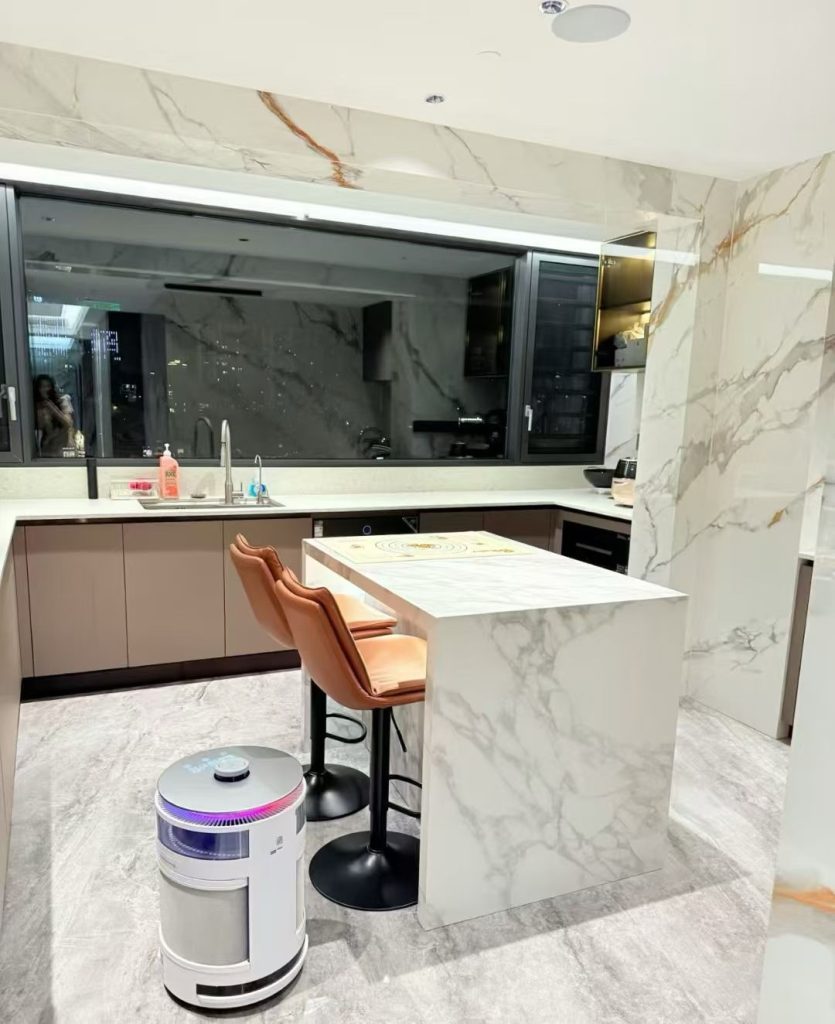
- Kitchen countertops and islands
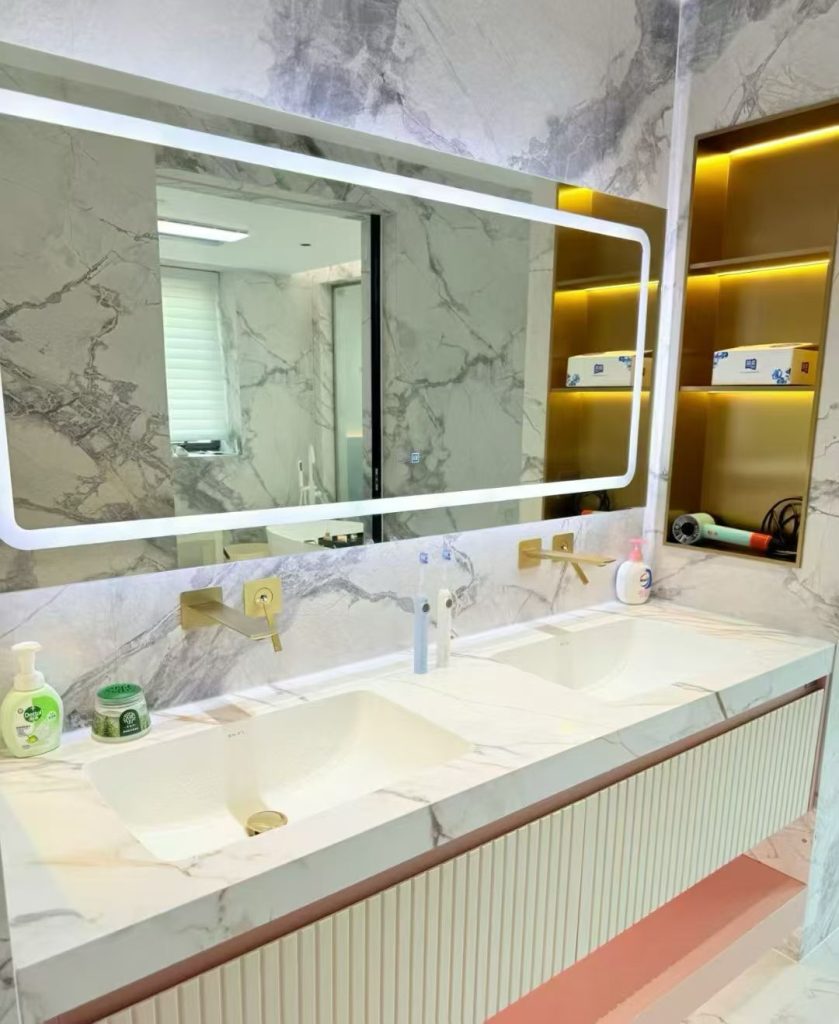
- Bathroom vanities
- Decorative wall panels
- Reception desks and commercial interiors
I often recommend quartz for homeowners seeking a reliable, attractive surface indoors without the higher cost of sintered stone.
Sintered Stone vs Quartz: Head-to-Head Comparison
Having worked with both materials extensively, here’s how I see them compare across key factors:
Durability & Scratch Resistance
Sintered stone wins slightly — its resin-free, ultra-compact surface can handle scratches, chips, and daily wear better than quartz. Quartz is durable too, but heavy impact or sharp tools can leave marks.
Heat Resistance
This is where I always tell clients sintered stone shines. You can place a hot pot or pan directly on it, and it won’t crack or scorch. Quartz, being resin-based, is more sensitive — heat can damage the surface.
Stain & Chemical Resistance
Both materials are non-porous, but sintered stone is slightly more chemically stable. Quartz can occasionally react to harsh cleaners, while sintered stone generally handles spills and cleaning products with ease.
UV Resistance
If your project includes outdoor spaces, sintered stone is the clear winner — it maintains color and vibrancy. Quartz fades or yellows if exposed to prolonged sunlight.
Design Flexibility
Quartz offers more color and pattern options, including realistic marble or granite looks. Sintered stone has large-format slabs and natural textures, but the color variety is somewhat more limited.
Maintenance & Cleaning
Both are easy to maintain. Mild soap and water usually do the trick. I always remind clients that sintered stone can tolerate heat and chemicals that might challenge quartz.
Environmental Sustainability
Sintered stone is made entirely from natural minerals, making it eco-friendly. Quartz includes resins, so it’s slightly less sustainable.
Thickness & Format Options
Sintered stone often comes in large-format slabs, ideal for seamless surfaces and wall cladding. Quartz slabs tend to be smaller and uniform.
Cost Considerations Between Sintered Stone and Quarty
From my experience, cost is often the deciding factor.
- Material Costs: Quartz is generally more budget-friendly, while sintered stone sits at a higher price point due to advanced production methods.
- Fabrication & Installation: Quartz is easier to fabricate, keeping installation costs lower. Sintered stone requires specialized tools and skilled labor, which adds to the cost.
- Long-Term Value: While sintered stone costs more upfront, its durability and resistance to heat, UV, and scratches often make it more cost-effective over time — especially for outdoor or high-use areas.
Best Applications for Each Material
Where Sintered Stone Excels
- Outdoor kitchens and patios
- High-traffic flooring
- Large-format wall cladding
- Fireplace surrounds and commercial interiors
Where Quartz Shines
- Indoor kitchen countertops and islands
- Bathroom vanities
- Feature walls and decorative surfaces
- Budget-friendly remodels
Where Either Could Work
Indoor countertops and commercial surfaces can work with both, depending on whether you prioritize durability (sintered stone) or design flexibility and cost (quartz).
Pros and Cons at a Glance
Sintered Stone
Pros: Ultra-durable, heat & UV-resistant, eco-friendly, large seamless slabs
Cons: Higher upfront cost, specialized installation, fewer color options
Quartz
Pros: Wide variety of colors/patterns, low maintenance, consistent slabs, budget-friendly
Cons: Sensitive to heat, indoor-only, smaller slab sizes
Which Should You Choose: Sintered Stone or Quartz?
Here’s how I guide clients:
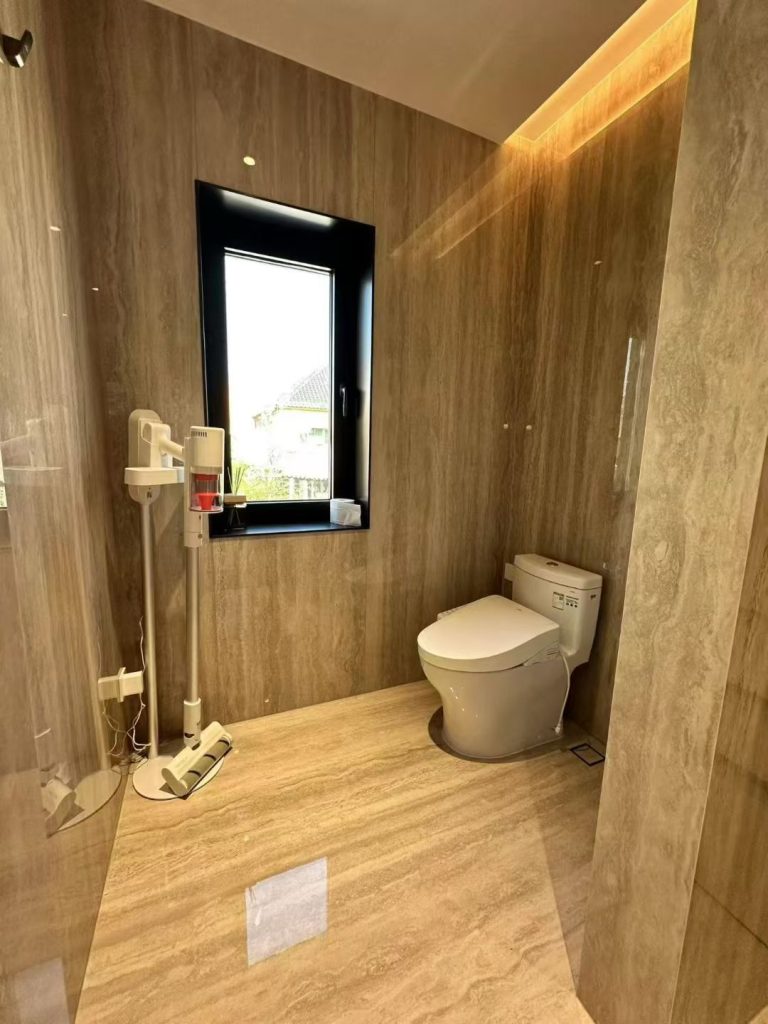
- Sintered stone: Go for it if you need extreme durability, plan outdoor use, or want long-term resilience.
- Quartz: Ideal for indoor projects where design variety, consistency, and affordability are your priorities.
Both surfaces are excellent — the right choice depends on location, usage, and lifestyle.
Conclusion
Having worked extensively with both materials, I can say this with confidence: sintered stone is built for toughness, handling heat, UV, and heavy wear with ease. Quartz is a versatile, stylish, and cost-effective choice for indoor spaces where design and aesthetics are top priorities.
Consider your project’s environment, usage, and budget, and you’ll be able to pick the surface that balances beauty, performance, and longevity — ensuring it looks great and performs flawlessly for years to come.