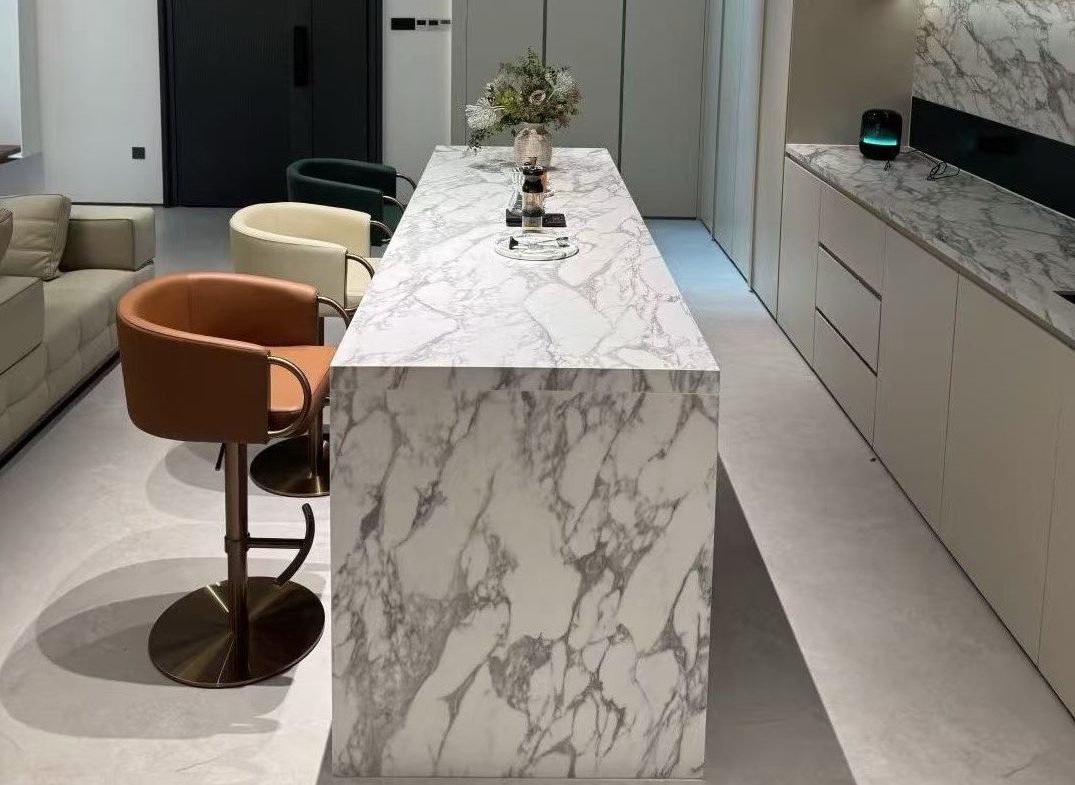
If you’ve been exploring premium surface materials for your home or commercial project, you’ve probably encountered sintered stone. Sleek, durable, and modern, it’s increasingly popular. But the first question most buyers ask is: “How much does it cost?”
From my years working with sintered stone, I’ve learned that the price depends on multiple factors — and understanding them can help you make smarter decisions.
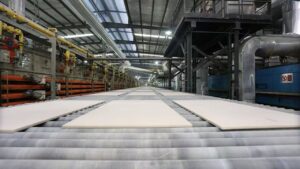
Sintered stone is created through sintering, a process where natural minerals are fused under high heat and pressure. Unlike quartz, it’s 100% mineral-based, environmentally friendly, and highly resistant to stains, scratches, and heat — which partly explains its cost.
When budgeting, it’s important to remember: the material cost is only one part of the total. Thickness, finish, slab size, installation, and transportation all contribute to the final price. In most markets, sintered stone per square meter can range from $20 to $200, depending on quality, design, and origin.
However, in Grandeur Stone, the sintered stone price per sqm is range from $10 to $100, with premium quality!
What Affects the Price of Sintered Stone?
Not all slabs are equal, and the price reflects what goes into making them. Key factors include:
Raw Materials and Technology
High-quality minerals and advanced production equipment increase durability and consistency. Factories with modern kilns and pressing lines produce denser, smoother slabs, which cost more.
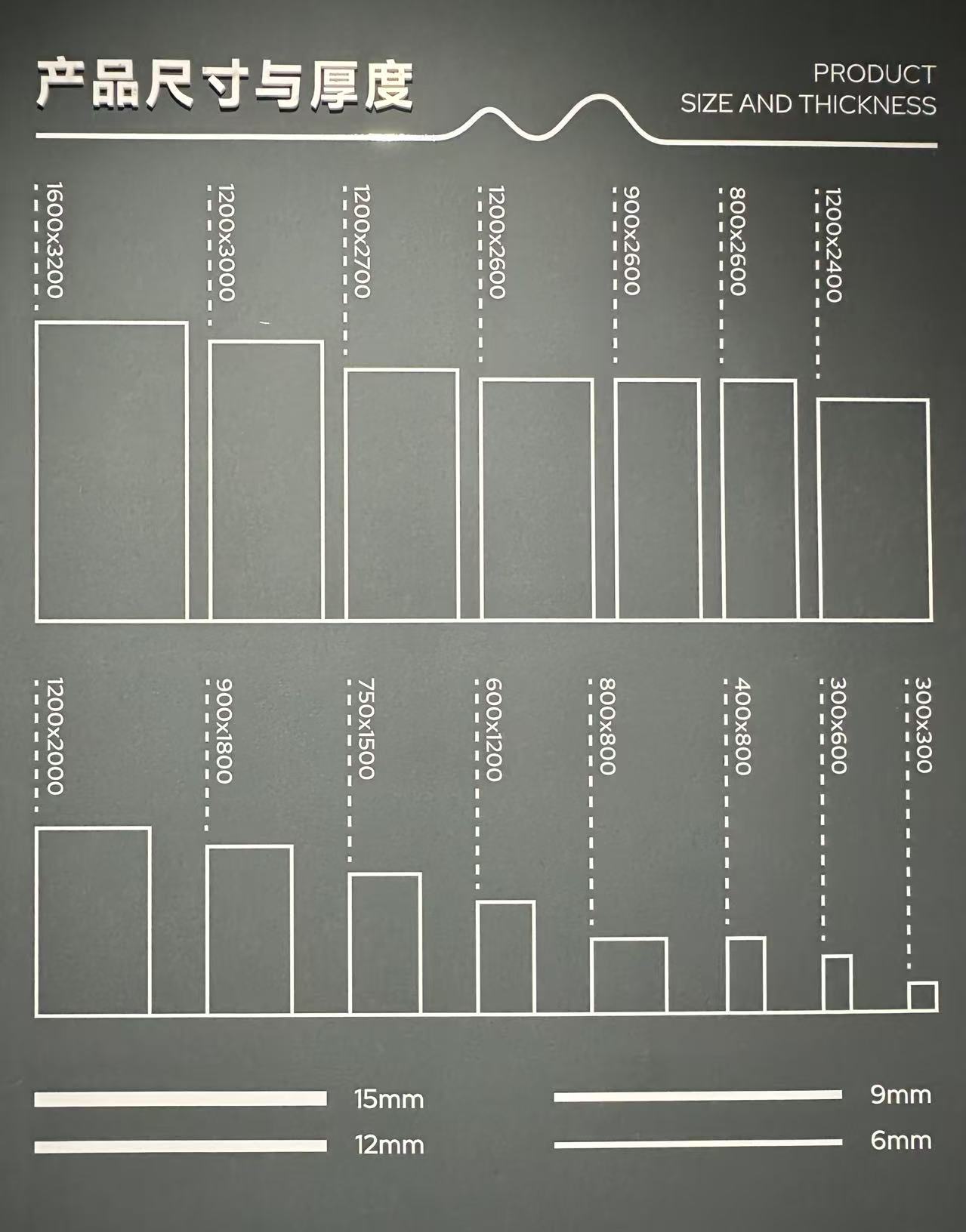
Thickness and Size
Slabs come in 6mm, 9mm, 12mm, and 20mm thicknesses. Thicker slabs use more material and require more energy, increasing the cost. Larger slabs are harder to manufacture without defects, adding to the price.
Surface Finish and Design
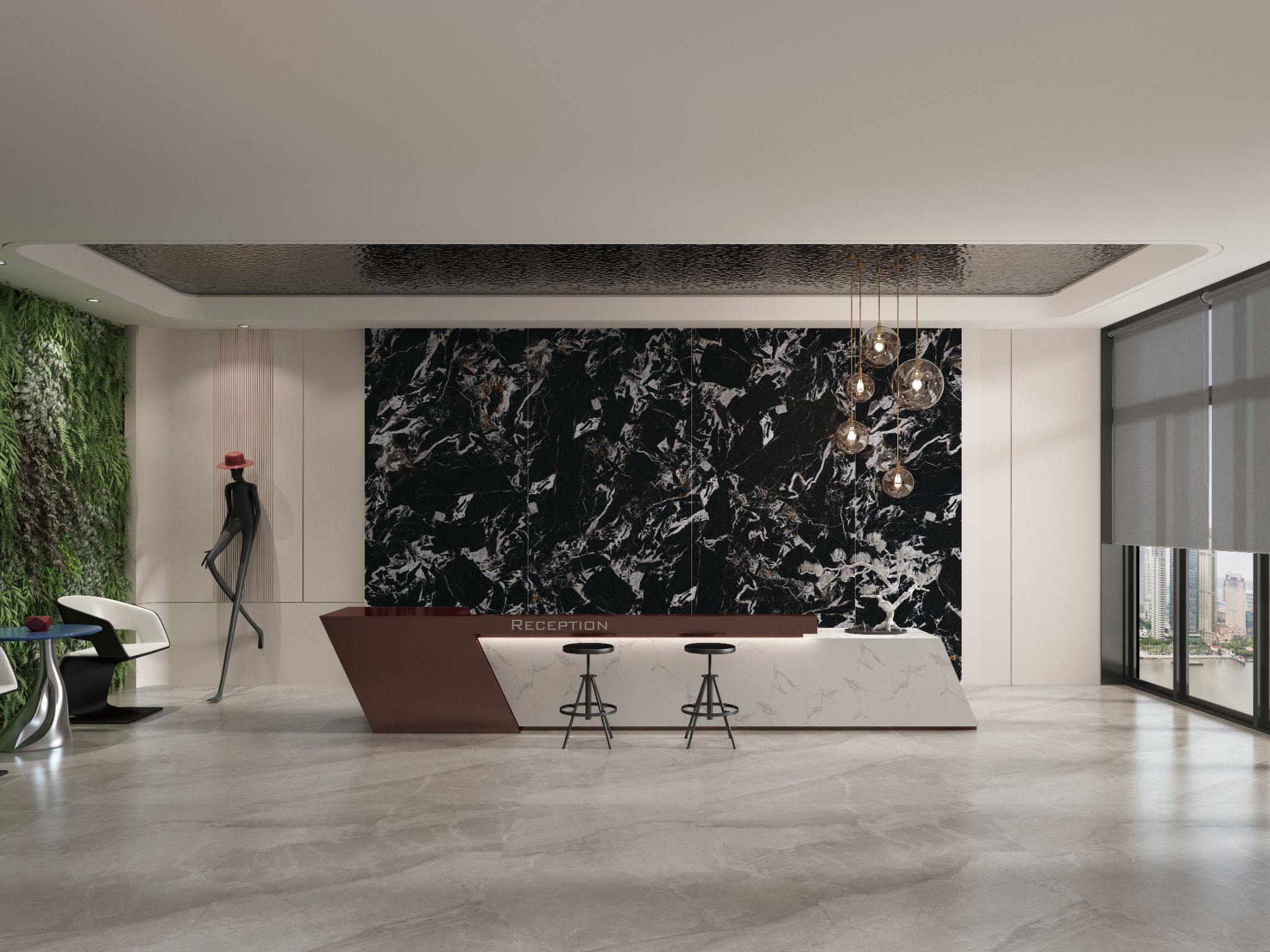
Polished, matte, or textured finishes all impact production cost. Complex patterns, such as marble or metallic effects, require specialized processes that elevate the price.
Brand and Origin
European brands often charge a premium due to quality control and marketing, while Chinese factories now offer competitive prices with excellent quality. Choosing a reputable manufacturer is key.
Logistics and Installation
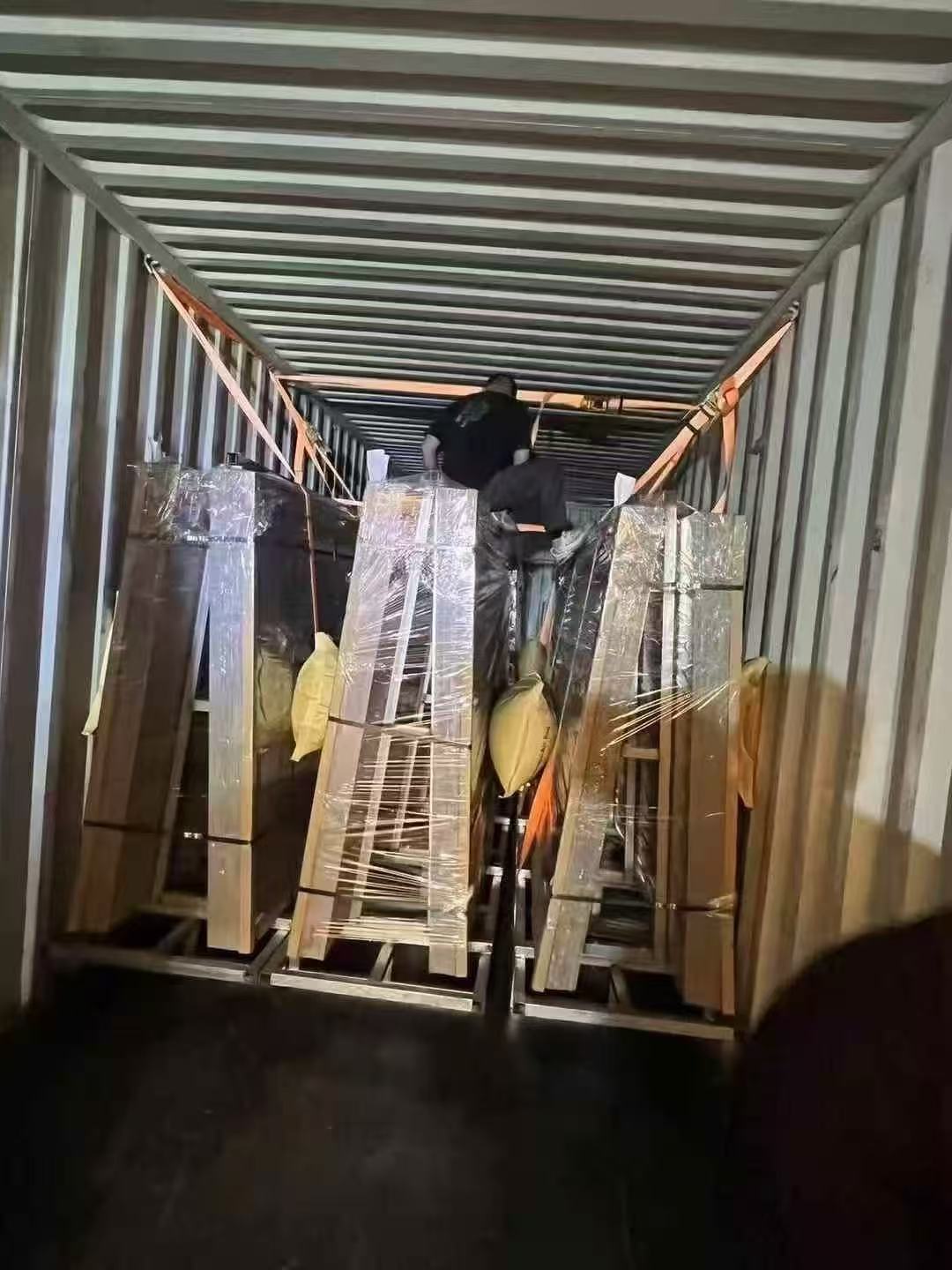
Transportation, cutting, edge finishing, and skilled labor all affect the final cost. Even if the slab price seems low, total project costs may be significantly higher once installation is included.
Sintered Stone Price per Square Meter and Per Slab
Buying direct from factories, especially in Grandeur Stone, can save 30–50%.
| Popular Size & Thickness | Grandeur Stone Price Start From (USD/m²) | Grandeur Stone Price Start From (USD/ft) |
|---|---|---|
| 900×1800×9 mm | $8 | $1 |
| 900×2700×9 mm | $11 | $1.1 |
| 1200×1200×9 mm | $12 | $1 |
| 1200×2400×9 mm | $10 | $0.8 |
| 1200×2700×12 mm | $15 | $1.5 |
| 1600×3200×12 mm | $20 | $1.5 |
Comparing Sintered Stone Cost with Other Materials
Here’s how it compares to popular alternatives:
- Quartz ($100–$150/m²): Slightly cheaper but resin-based, less heat-resistant.
- Marble ($120–$250/m²): Beautiful but porous and high-maintenance.
- Granite ($90–$160/m²): Durable but less design flexibility.
- Sintered Stone ($10–$100/m²): Very durable, low-maintenance, versatile in design.
Although the upfront price may be slightly higher than quartz or granite, the long-term value and low maintenance often make sintered stone the smarter choice.
If you are interested in the performance comparation of Sintered Stone and Quartz, please check HERE.
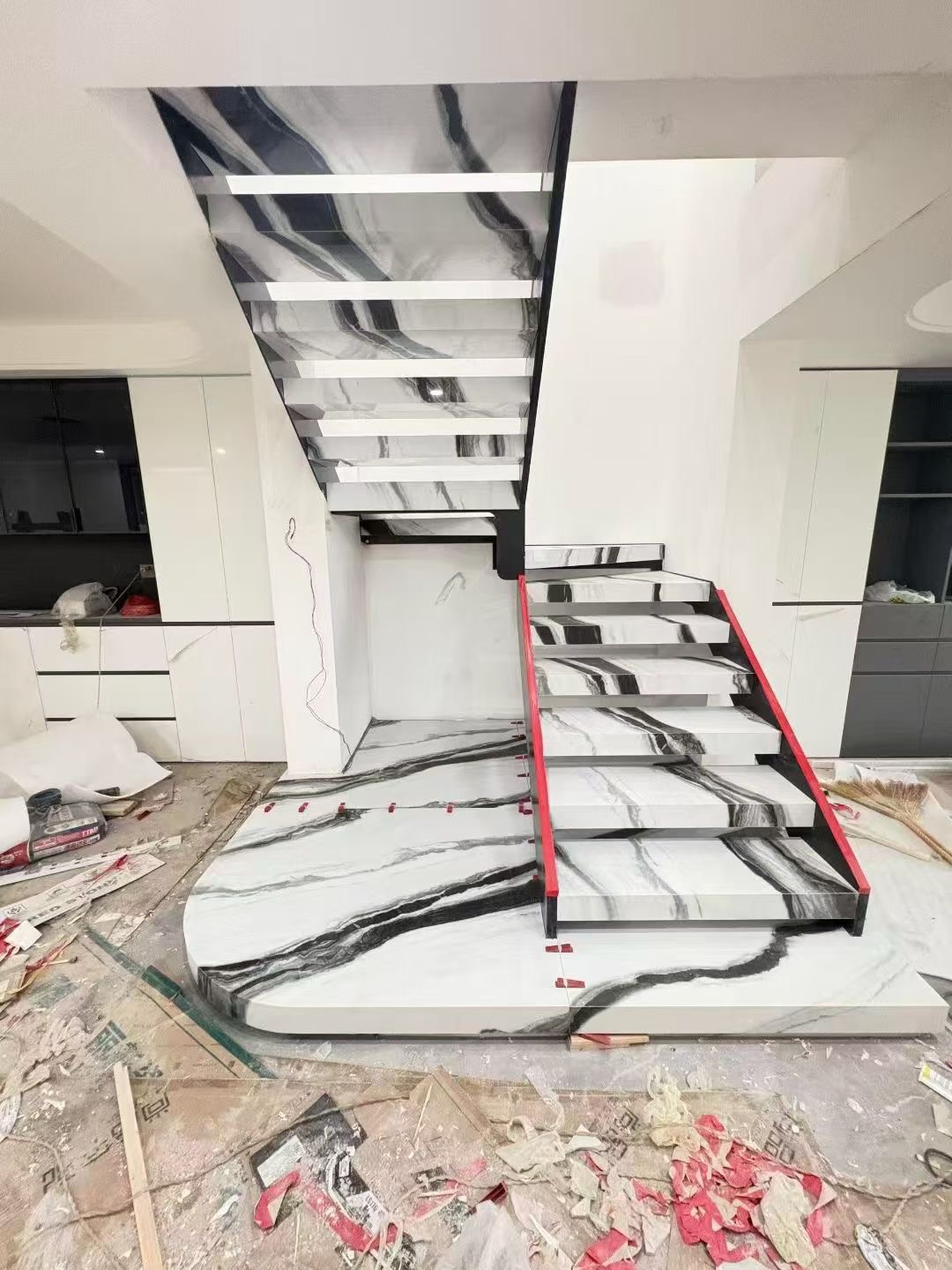
Application-Based Pricing — Countertops, Flooring, and Walls
Pricing also depends on how you use the material:
| Application | Thickness | Installed Price (USD/m²) |
|---|---|---|
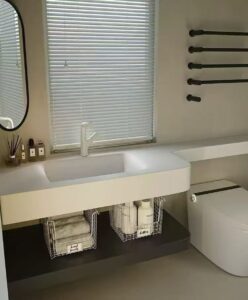
| Countertops | 12–20mm | $200–$350 |
| Flooring | 9-12mm | $120–$200 |
| Wall Panels / Backsplash | 6mm | $90–$160 |
| Outdoor Facades | 12–20mm | $150–$250 |
Invest in the right thickness for each application to balance cost and performance.
Wholesale and Factory Prices
Buying in bulk can significantly reduce costs:
- Large orders receive discounts (10–20% for 500–1000m²).
- Thickness, slab size, surface finish, and design complexity influence factory pricing.
- Shipping and import fees add 15–25% to the landed cost.
Tips for smart buying: request samples, verify certifications, and build relationships with reliable factories. The lowest price isn’t always the best deal — consistency and quality matter most.
Final Thoughts — Understanding True Value Beyond Price
Price alone doesn’t capture the full value of sintered stone. Consider:
- Total cost of ownership: durability, maintenance, and replacement costs.
- Right application and thickness: investing appropriately prevents future issues.
- Source and quality: factory-direct pricing can save money, but reliability is key.
- Long-term benefits: versatile designs, minimal upkeep, and longevity often outweigh upfront costs.
In short, the best value comes from balancing price, quality, and performance. Choosing sintered stone is not just about affordability — it’s about ensuring your surfaces look great and last for decades.