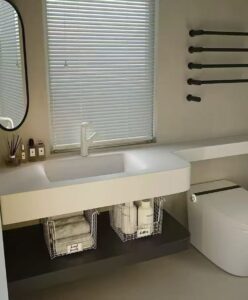
A dining table has to handle more than meals. It may become a homework desk, baking surface, coffee station or meeting table. For Canadian homes, restaurants and hospitality projects, sintered stone dining table tops Canada buyers can specify should balance appearance with support, edge protection, delivery and everyday care.
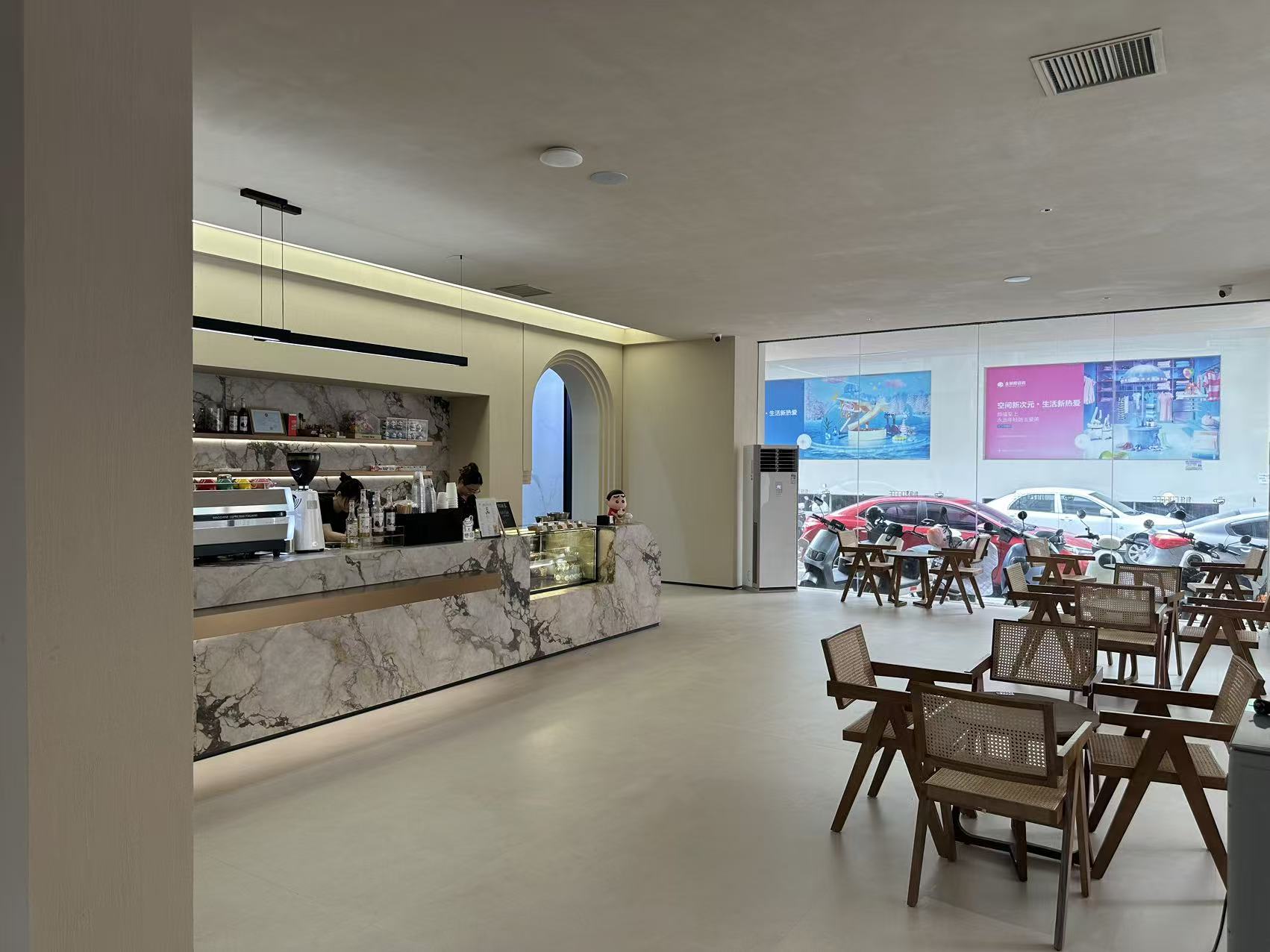
Why choose sintered stone for a dining table?
Sintered stone is a dense, mineral-based manufactured surface. Buyers often choose it for a stone appearance with low routine maintenance and resistance to many common dining-room stresses, including spills, food stains and normal household heat. Its consistent pattern can also suit modern furniture bases and hospitality tables.
The slab is only one part of the table. The frame, under-support, overhang, thickness and edge detail determine how the finished piece performs. Ask for the selected product’s application and fabrication guidance rather than relying on a generic material claim.
Choose the size and support first
Start with the number of users, chair positions and room circulation. Mark the proposed table on the floor or use cardboard to check door swings and walking space. A beautiful top that makes the room difficult to use is not a successful specification.
- Confirm the final length and width before ordering the slab.
- Discuss the support grid with the furniture maker, especially for long or thin tops.
- Keep unsupported overhangs within the fabricator’s recommendations.
- Coordinate the top with the base so weight is distributed rather than concentrated at a few points.
Thin tops can create a light, contemporary look, but they need a suitable structure and careful handling. If the table will be moved often, ask how the top should be lifted and secured.
Thickness, edges and surface finish
Thickness affects visual weight, rigidity, edge options and transport. A slim profile may suit a minimalist dining room, while a thicker or built-up edge can provide a more substantial appearance. A fabricator should confirm the safest edge treatment for the chosen slab and dimensions.
Rounded or eased edges are usually more comfortable around chairs and safer in a busy home than sharp corners. Mitred edges can create a thicker visual profile, but they require accurate cutting and protection during delivery. Review a sample or drawing before production.
Indoor, outdoor and Canadian seasonal use
For indoor tables, focus on stains, cleaning, edge impact and the stability of the base. If the table will be used on a covered patio, ask whether the exact product and finish are suitable for the intended exposure. Outdoor use also adds moisture, freeze-thaw and temperature considerations for the frame, adhesive and installation—not only the surface.
Strong daylight can affect how colours and reflections are perceived. View samples in the room where possible, and check the full slab when pattern movement matters.
Plan delivery and installation
Large table tops can be heavy and vulnerable at the corners. Before shipping, confirm packaging, crate protection, lifting points, delivery access and inspection procedures. Photograph packaging before opening and record any damage immediately. For long-distance Canadian deliveries, clarify who manages claims and replacement timing.
The base should be level before the top is installed. Do not drag the slab across the floor or place tools directly on it. Have the installer check the support and alignment before applying any approved fixing method.
Care for a sintered stone table top
For daily cleaning, use a soft cloth and the cleaner recommended for the finish. Wipe spills rather than allowing strongly coloured foods or oils to sit for long periods. Use boards, trivets and coasters when advised, and avoid abrasive pads or unapproved chemicals. Do not stand on the table or use it as a workbench for impacts that exceed normal dining use.
Sintered stone compared with other table materials
Wood offers warmth and can be refinished, but it needs more protection from water and heat. Natural marble provides distinctive veining but can etch and stain. Glass is easy to wipe but shows fingerprints and can feel less forgiving around impacts. Sintered stone is a practical choice when the brief calls for a hard, low-maintenance mineral surface with a broad design range, provided the support and fabrication are correctly planned.
FAQ
Are sintered stone dining table tops cold or hard?
Like other stone-like surfaces, they can feel cool and hard compared with wood. That can be useful for pastry work, but placemats and tableware may improve comfort and reduce noise.
Can a sintered stone top be fitted to an existing base?
Sometimes. The base must be level, strong enough and correctly positioned for the top’s size and weight. Ask a fabricator to approve the support before ordering.
What should Canadian buyers ask a supplier?
Ask for the exact slab, thickness, finish, edge detail, support requirements, packaging, delivery scope, warranty, care instructions and process for reporting transport damage.
Plan your table top with BJS
Contact BJS sintered stone sales for product recommendations, samples, and project support for residential, hospitality and commercial table applications.