Why Is Sintered Stone More Expensive Than Ceramic Tiles?
If you compare prices, sintered stone is usually more expensive than standard ceramic tiles.
Many buyers wonder:
“Both are made from minerals and fired at high temperatures. Why is the price so different?”
The answer lies in the manufacturing process, material performance, slab size, and long-term value.
In this article, we’ll break down exactly where the extra cost comes from and whether sintered stone is worth the investment.
Sintered Stone vs Ceramic Tile: Quick Cost Comparison
| Factor | Ceramic Tile | Sintered Stone |
|---|---|---|
| Average Cost | Lower | Higher |
| Slab Size | Small to Medium | Large Format |
| Thickness Options | Limited | 6-20mm |
| Strength | Good | Excellent |
| Water Absorption | Low | Ultra Low |
| Heat Resistance | Good | Excellent |
| Fabrication | Limited | Suitable for countertops |
| Lifespan | Long | Longer |
While ceramic tiles are often cheaper upfront, sintered stone offers additional benefits that justify the higher price in many applications.
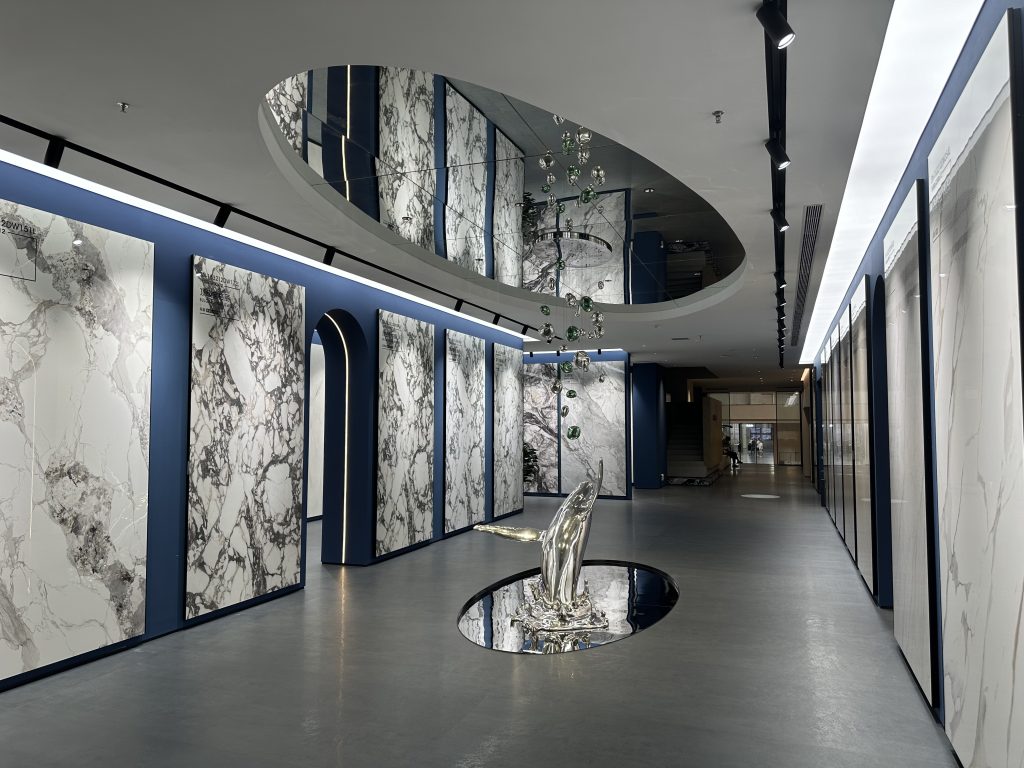
1. Larger Slab Sizes Require More Advanced Production
One major reason for the higher cost is size.
Most ceramic tiles are produced in smaller formats such as:
- 600×600mm
- 600×1200mm
- 800×800mm
Sintered stone is commonly produced in large slabs such as:
- 1200×2400mm
- 1600×3200mm
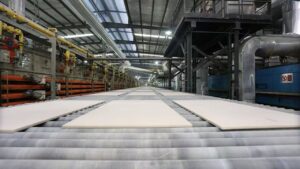
Manufacturing large slabs requires larger presses, larger kilns, and stricter quality control.
The production equipment itself represents a significant investment.
2. Higher Pressing Pressure Creates a Denser Material
Sintered stone is produced using extremely high pressure before firing.
This process creates a much denser structure than traditional ceramic tiles.
Benefits include:
- Higher flexural strength
- Better impact resistance
- Lower water absorption
- Improved durability
The specialized machinery required for this process increases production costs.
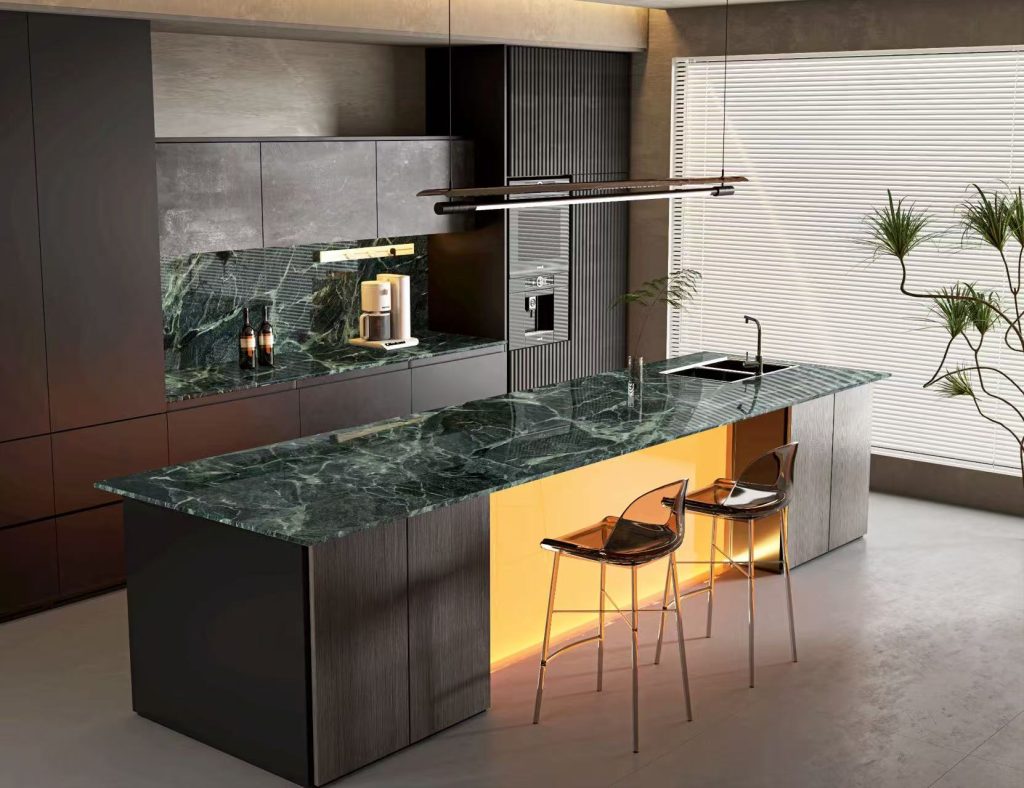
3. More Suitable for Countertops and Furniture
Ceramic tiles are primarily designed for:
- Floors
- Walls
Sintered stone can also be used for:
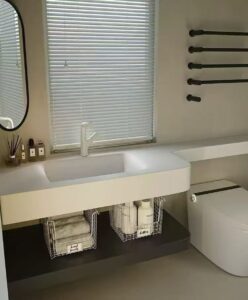
- Kitchen countertops
- Bathroom vanities
- Dining tables
- Reception desks
- Furniture surfaces
Because it must withstand fabrication and edge processing, the material needs higher performance standards.
This adds to the manufacturing cost.
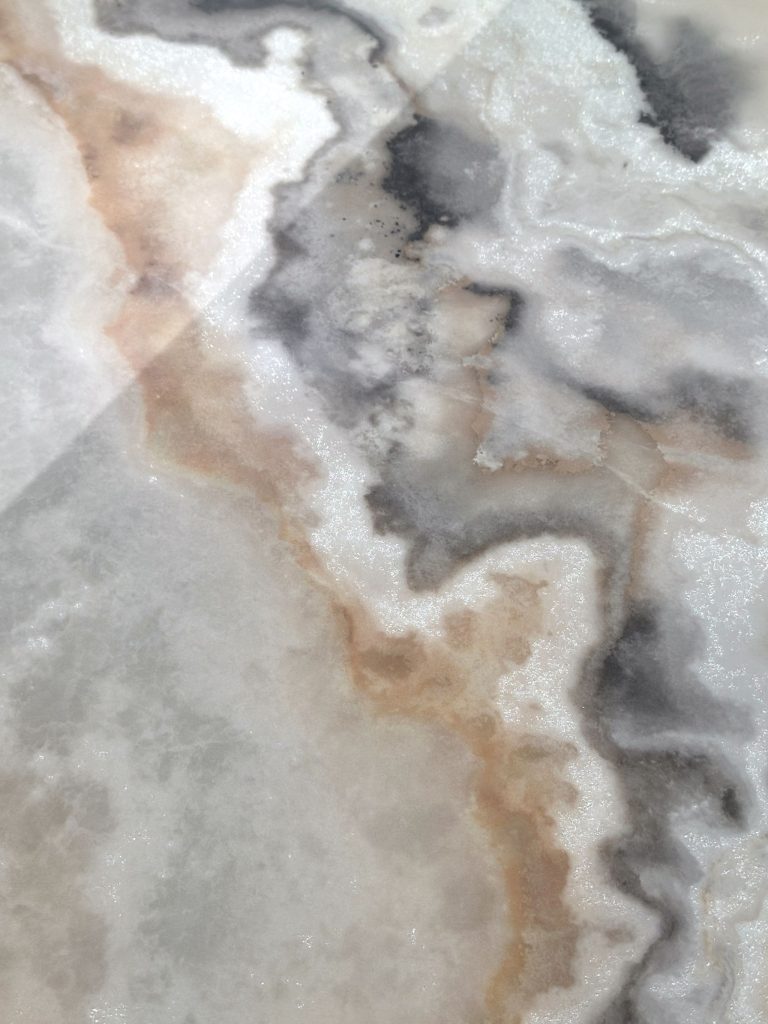
4. More Complex Surface Designs
Many premium sintered stone slabs feature:
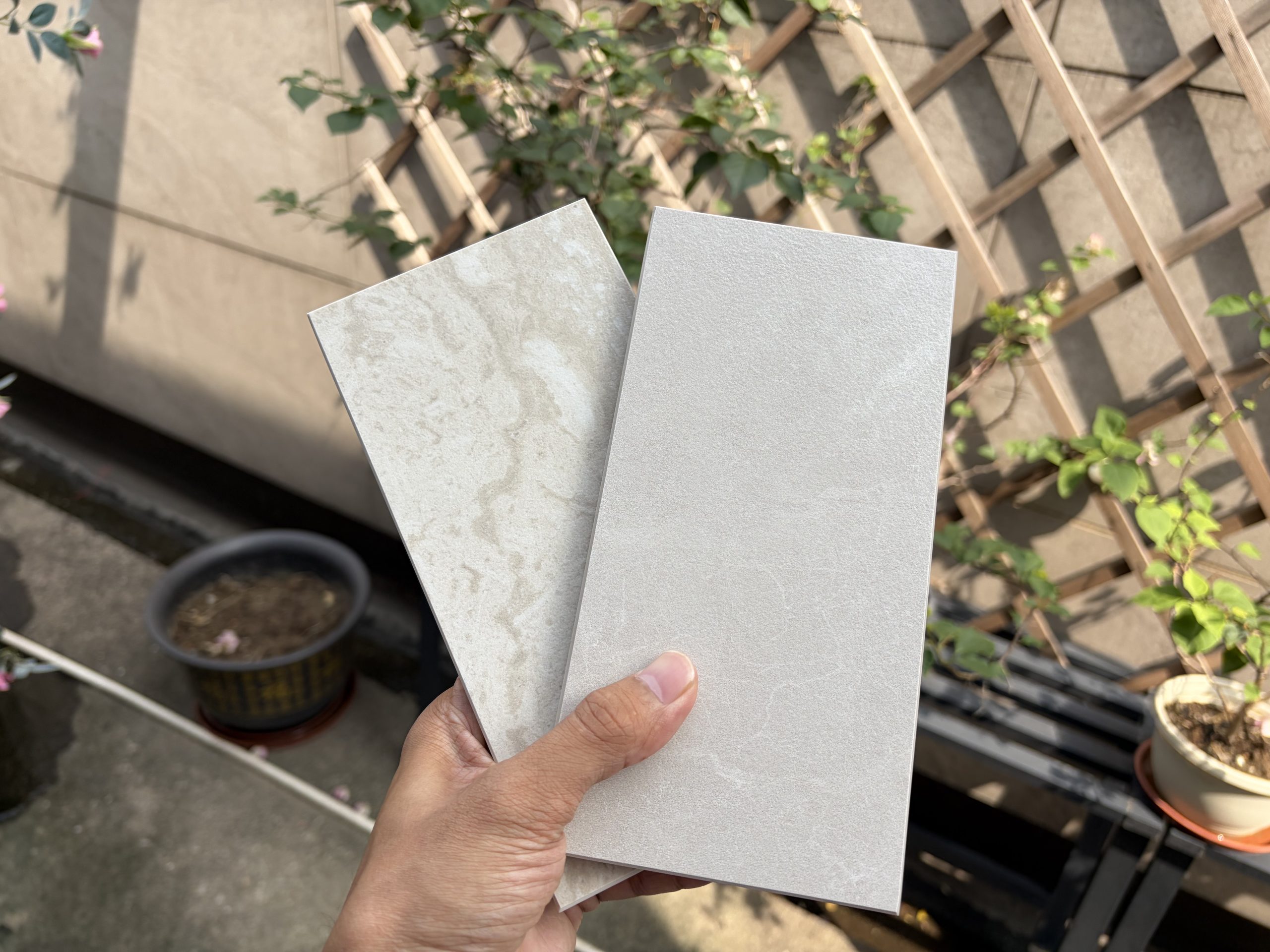
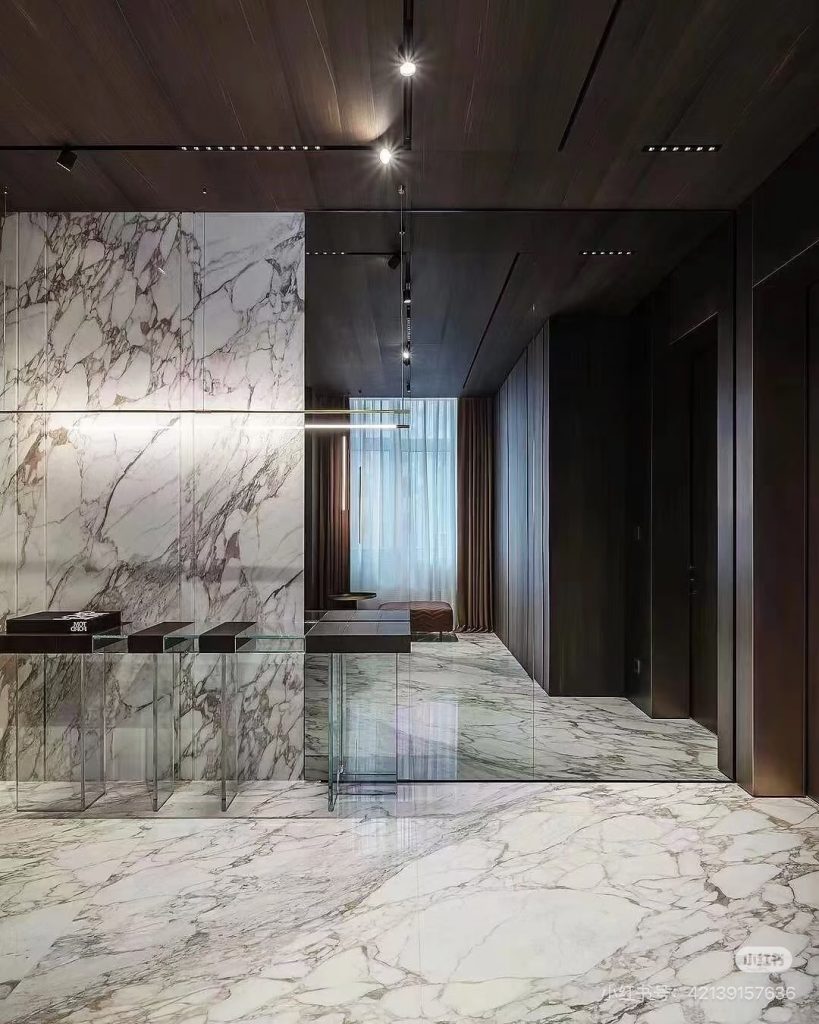
- Marble-look veining
- Full-body designs
- Bookmatch patterns
- Multi-face random designs
- Specialized finishes
- And more…
Creating these effects requires additional design development and production technology.
As a result, decorative sintered stone products often cost more than standard ceramic tiles.
5. Lower Breakage Risk During Long-Term Use
Although the initial price is higher, many contractors and homeowners consider the total lifecycle cost.
Sintered stone offers:
- Better scratch resistance
- Better heat resistance
- Better UV resistance
- Better stain resistance
This can reduce replacement and maintenance costs over time.
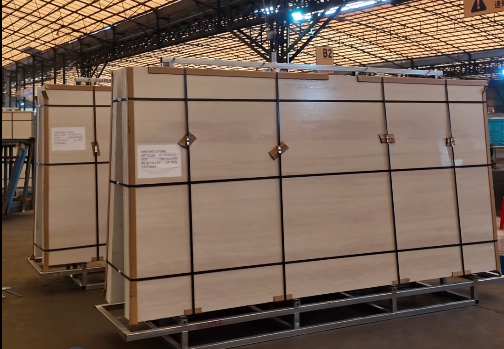
Is Sintered Stone Worth the Extra Cost?
The answer depends on the application.
For standard wall and floor projects with tight budgets, ceramic tiles remain an excellent choice.
However, for:
- Kitchen countertops
- Luxury residential projects
- Commercial spaces
- High-traffic areas
- Large-format seamless designs
many buyers find that the additional investment in sintered stone delivers better long-term value.
Final Thoughts
Sintered stone is more expensive than ceramic tiles because it requires larger production equipment, higher manufacturing pressure, stricter quality control, and offers broader application possibilities.
The decision should not be based on purchase price alone. Instead, consider durability, design flexibility, maintenance requirements, and expected service life.
For projects where performance and aesthetics matter, sintered stone is often the more cost-effective solution over the long term.
FAQ
Is sintered stone cheaper than quartz?
Is sintered stone worth the money?
Why do sintered stone countertops cost more?
Is sintered stone more durable than ceramic tile?