When people first start sourcing sintered stone slabs, one of the most common questions is:
“How thick should the slab be?”
At first glance, it seems simple. Many buyers assume thicker is always better. But in reality, the right thickness depends on the application, installation method, weight requirements, and fabrication details.
A 3mm slab and a 20mm slab can both perform very well — if they are used in the right place.
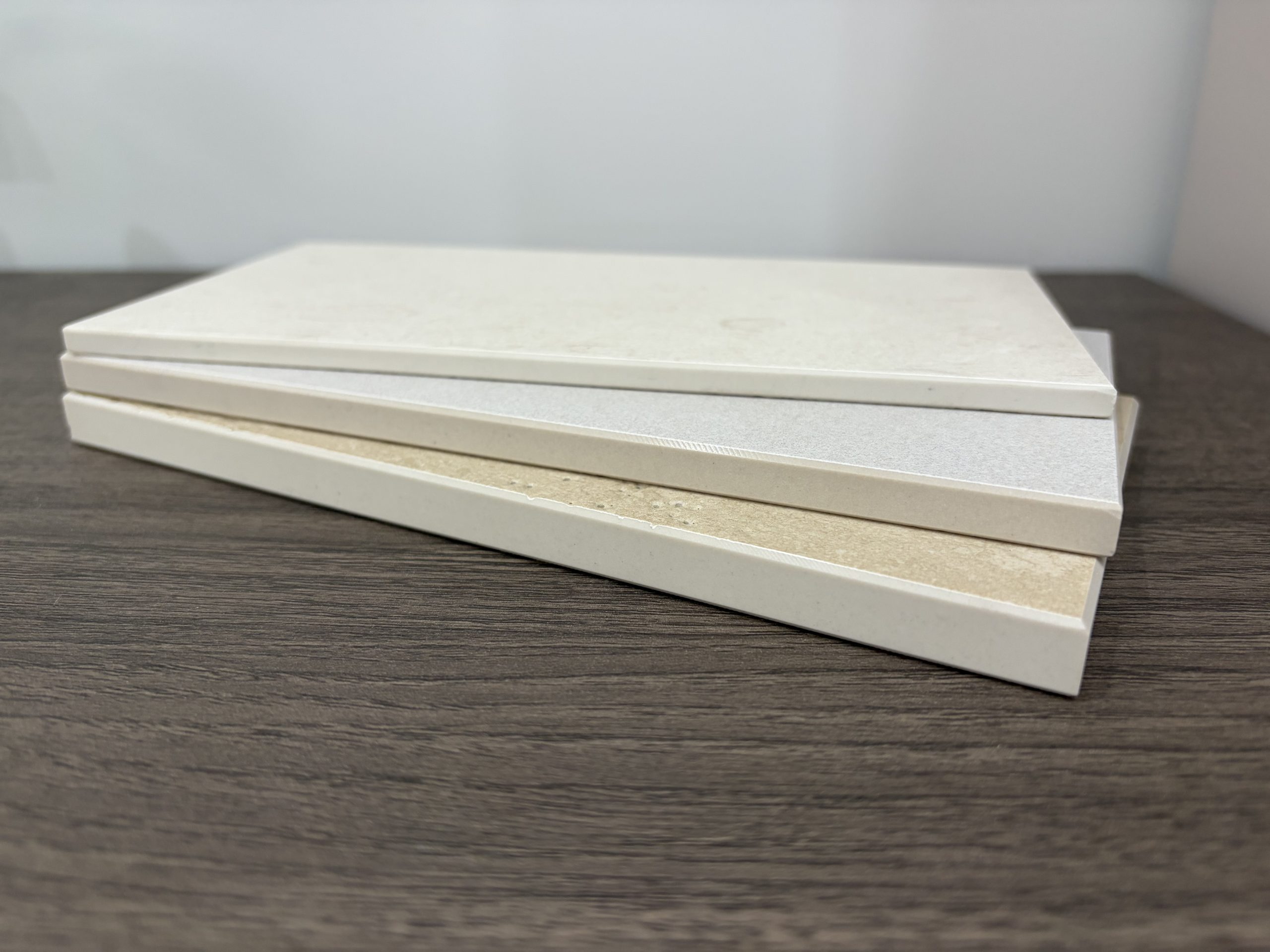
In this guide, we’ll go through the most common sintered stone slab thicknesses and explain where each one works best.
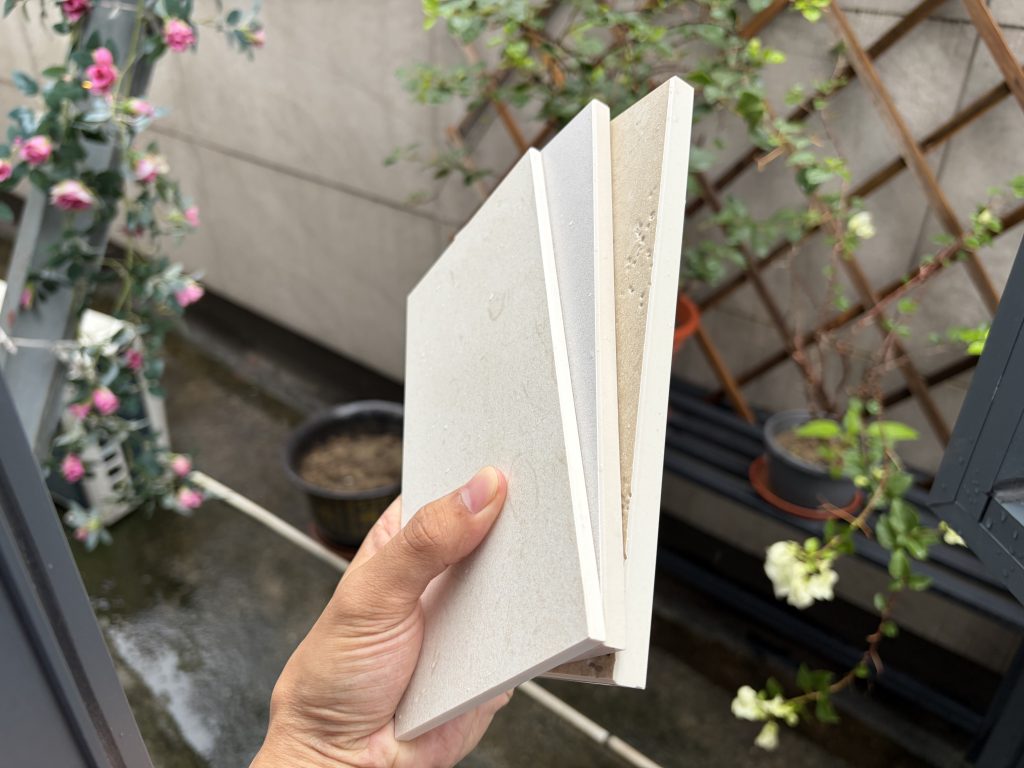
Common Sintered Stone Slab Thicknesses
3mm Sintered Stone
3mm is considered an ultra-thin sintered stone slab. It is lightweight and mainly used for decorative surfaces rather than structural applications.
Typical applications include:
- Interior wall cladding
- Renovation overlays
- Elevator walls
- Furniture surfaces
- Cabinet facings
One major advantage of 3mm slabs is weight reduction. In high-rise projects or renovation work, reducing wall load can make installation easier and more efficient.
Because the slabs are very thin, they are also easier to transport and can reduce shipping costs.
However, 3mm slabs are generally not suitable for flooring, countertops, or unsupported horizontal surfaces. They require proper backing and professional installation.
6mm Sintered Stone
6mm slabs are widely used in modern interior applications, especially where a slim and clean visual effect is preferred.
They are commonly used for:
- Wall panels
- Bathroom walls
- Cabinet doors
- Decorative furniture surfaces
Compared with thicker slabs, 6mm material is lighter and easier to fabricate. It also creates a more contemporary appearance, especially in minimalist spaces.
That said, 6mm is usually not recommended for kitchen countertops or dining tables without strong structural support underneath. Large unsupported spans may increase the risk of cracking or long-term stress issues.
In most projects, 6mm works best as a vertical surface material rather than a heavy-duty horizontal surface.
9mm Sintered Stone
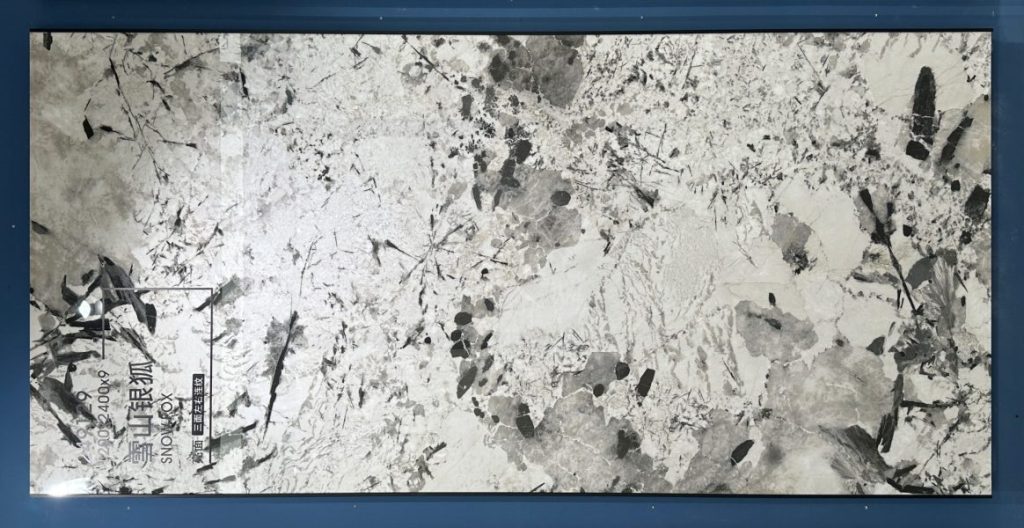
9mm has become one of the most practical and versatile thicknesses in recent years.
Many projects use 9mm slabs for both wall and floor applications because they offer a good balance between strength and weight.
Typical applications include:
- Residential flooring
- Interior wall cladding
- Bathroom floors
- Apartment projects
- Commercial wall and floor systems
Compared with ultra-thin slabs, 9mm provides better impact resistance and improved durability for daily use. At the same time, it is still lighter and easier to install than thicker countertop-grade slabs.
For many contractors and developers, 9mm is considered a reliable “all-around” option for large-area installations.
12mm Sintered Stone
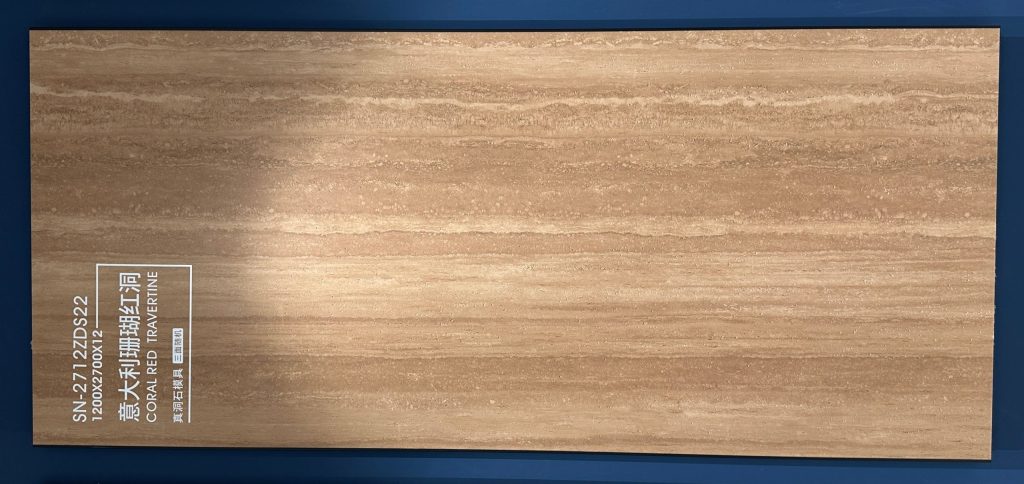
12mm is one of the most common choices for kitchen countertops and furniture applications.
It is widely used for:
- Kitchen countertops
- Kitchen islands
- Vanity tops
- Dining tables
- Worktops
The extra thickness provides better load-bearing performance and stronger resistance to impact.
It also works better for fabrication details such as:
- mitered edges
- waterfall islands
- exposed edges
- integrated countertop designs
Another reason 12mm is popular is visual proportion. For countertops and tables, thinner slabs can sometimes look too light visually, while 12mm creates a more balanced appearance.
For most residential countertop projects, 12mm is often considered the standard choice.
20mm Sintered Stone
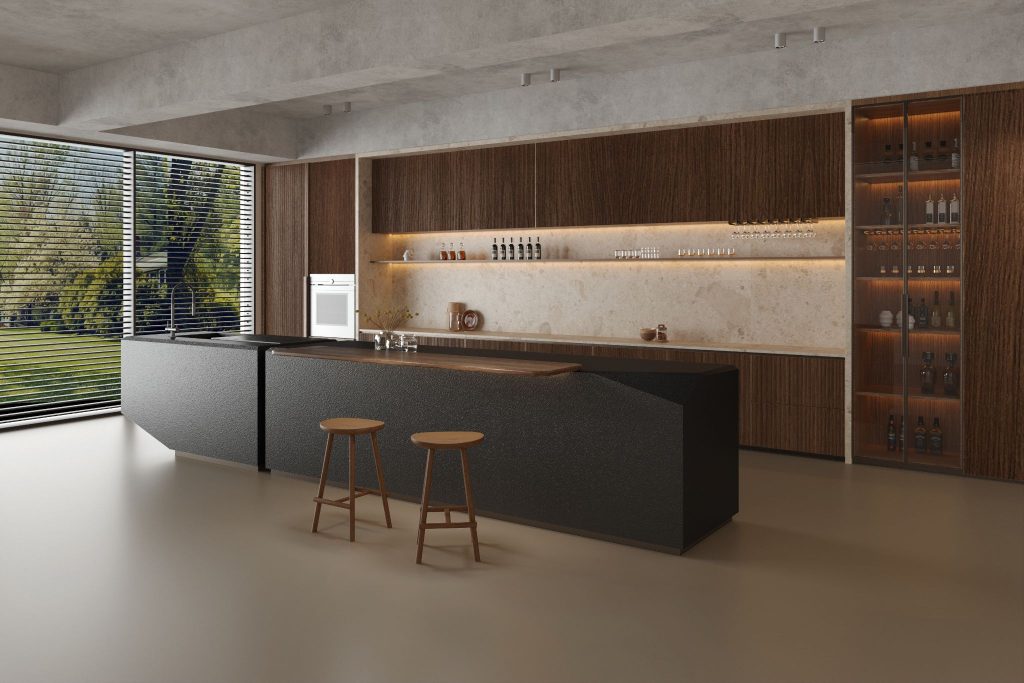
20mm slabs are mainly used in premium residential and commercial projects where a thicker visual effect is preferred.
Typical applications include:
- Luxury kitchen islands
- Commercial countertops
- Reception counters
- Heavy-duty work surfaces
A 20mm slab creates a strong and solid appearance without requiring edge lamination in some designs.
Because of the additional thickness, these slabs are heavier and more expensive to process and transport. Fabrication also requires more careful handling and stronger packaging during shipping.
For projects that prioritize durability and a high-end visual effect, 20mm remains a popular option.
How Thickness Affects Performance
Strength and Durability
In general, thicker slabs provide better resistance to bending and impact.
This becomes especially important for:
- countertops
- tables
- unsupported spans
- commercial applications
However, thickness alone does not determine quality. Material density, production technology, and installation methods also affect overall performance.
Weight and Installation
As thickness increases, slab weight increases significantly.
Heavier slabs may require:
- stronger cabinet structures
- reinforced support systems
- professional lifting equipment
- more careful transportation
For wall applications, reducing weight can simplify installation and reduce structural load on the building.
That is one reason thinner slabs remain popular in large wall-cladding projects.
Fabrication and Edge Processing
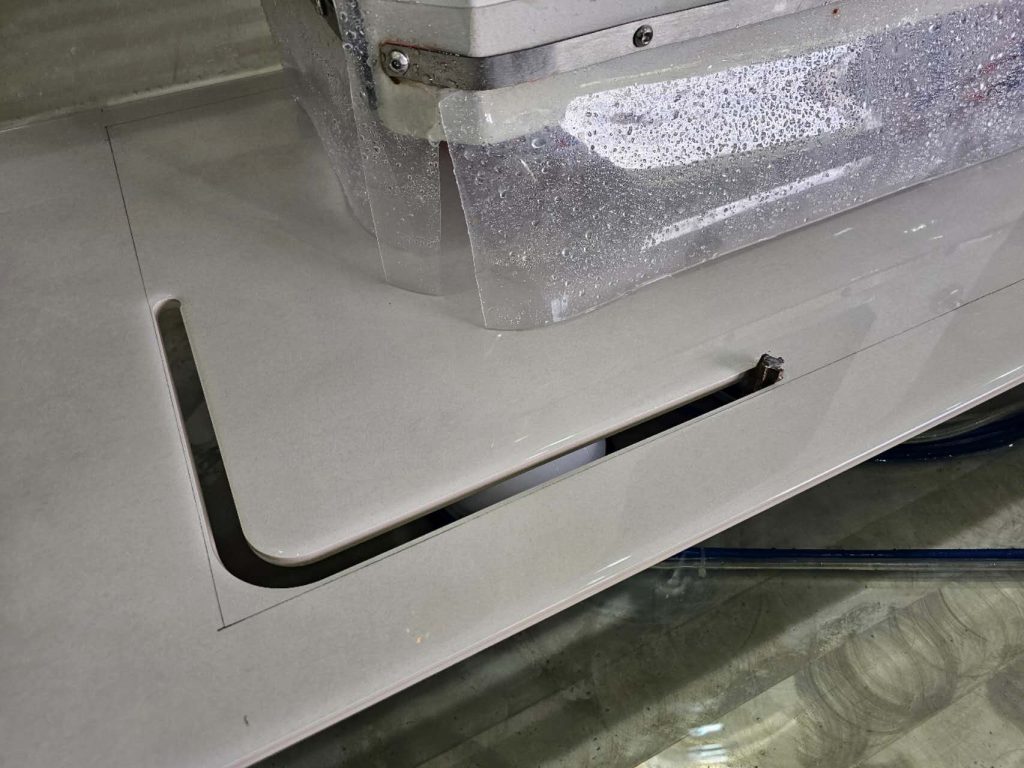
Thickness also affects fabrication possibilities.
For example, thicker slabs usually perform better for:
- exposed edges
- countertop cutouts
- waterfall edges
- integrated sink areas
Thinner slabs can still achieve these effects, but they often require additional reinforcement or laminated edge processing.
Recommended Thickness by Application
Here is a simple reference for common applications:
| Application | Recommended Thickness |
|---|---|
| Wall Cladding | 3mm / 6mm / 9mm |
| Flooring | 9mm / 12mm |
| Kitchen Countertops | 12mm / 20mm |
| Dining Tables | 12mm |
| Bathroom Vanity Tops | 12mm |
| Furniture Surfaces | 6mm / 9mm |
| Outdoor Applications | 12mm+ |
Of course, the final decision should still depend on the project structure, installation conditions, and design requirements.
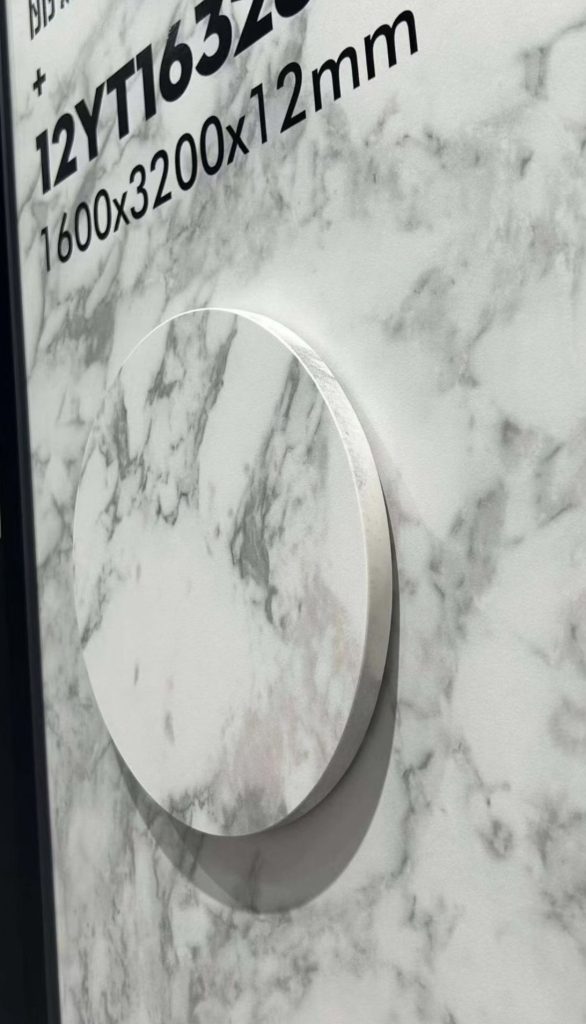
Full-Body Sintered Stone and Thickness
Thickness becomes even more important when using full-body sintered stone.
Because the pattern and texture run through the body of the slab, thicker material can create a more natural appearance on exposed edges and fabricated details.
This is especially noticeable in:
- waterfall islands
- table edges
- stair treads
- mitered corners
For projects where edge visibility is important, many designers prefer 12mm or thicker full-body slabs.
Common Mistakes When Choosing Slab Thickness
Choosing Thin Slabs for Unsupported Countertops
Thin slabs may look elegant, but using them without proper support can create long-term structural problems.
Countertops and tables usually require stronger load-bearing performance than walls.
Choosing Thick Slabs Unnecessarily
Thicker material is not always better.
In some wall applications, using overly thick slabs only increases:
- shipping cost
- installation difficulty
- structural weight
without adding much practical benefit.
Ignoring Installation Conditions
The same slab thickness may perform differently depending on the installation system.
Support structure, substrate condition, fabrication quality, and installer experience all matter.
Choosing the right thickness should always be connected to the actual application environment.
Final Thoughts
There is no single “best” sintered stone slab thickness for every project.
A thinner slab may be ideal for wall cladding, while a thicker slab is often necessary for countertops and furniture surfaces. The key is finding the right balance between durability, weight, fabrication needs, and design goals.
At BJS Sintered Stone, we work with different slab thicknesses for residential, commercial, and export projects, and we’ve seen how choosing the right specification early can make installation and long-term performance much smoother.