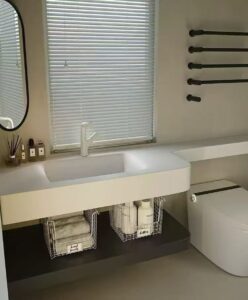

Sintered stone is known for its high hardness, stain resistance, heat resistance, and low water absorption. That is why it is widely used for kitchen countertops, dining tables, bathroom vanities, wall cladding, flooring, and commercial projects.
But one common question from homeowners, contractors, fabricators, and distributors is:
Can sintered stone be repaired if it is chipped, scratched, cracked, or damaged?
The short answer is: minor damage can usually be repaired or improved, but serious cracks or broken slabs are difficult to restore perfectly. The final repair result depends on the type of damage, the surface finish, the color, the texture, and where the damage happens.
In this article, we will explain what types of sintered stone damage can be repaired, what cannot be fully repaired, and how to reduce damage during cutting, transportation, installation, and daily use.
1. Can Sintered Stone Be Repaired? The Short Answer
Yes, sintered stone can be repaired in some situations, especially when the damage is small and limited to the surface or edge.
For example, small chips on the edge, tiny surface marks, light scratches, or minor installation damage can often be filled, polished, or visually improved by a professional repair technician. In many cases, the repaired area can become much less noticeable after treatment.
However, sintered stone is not like natural marble or granite. Because it is a dense, non-porous engineered material, deep cracks, large broken corners, or structural damage are much harder to repair perfectly. If a slab is completely broken or cracked through the body, replacement is usually a better solution.
In simple terms:
Small chips and light damage: usually repairable.
Deep cracks or broken slabs: difficult to fully repair.
Visible repair result: depends on color, pattern, finish, and repair skill.
2. What Types of Damage Can Happen to Sintered Stone?
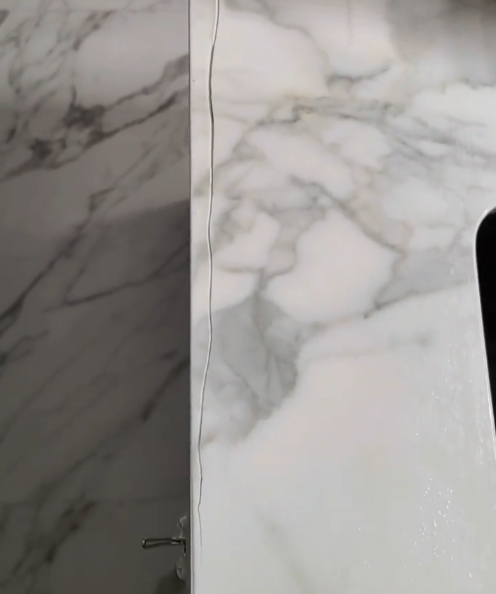
Although sintered stone is a strong and durable material, damage can still happen if it is not handled, cut, transported, or installed correctly.
The most common types of damage include:
Edge chips
This usually happens during cutting, moving, installation, or impact on exposed edges. Thin edges, sharp corners, and unsupported overhangs are more likely to chip.
Small corner damage
Corners are the most vulnerable parts of a slab. If the slab hits a hard surface during transportation or installation, the corner may break or chip.
Light surface scratches or marks
Sintered stone is scratch resistant, but not completely scratch-proof. Metal tools, sharp objects, sand, or improper cleaning pads may leave marks, especially on some matte or dark surfaces.
Cracks near cut-outs
Cut-outs for sinks, cooktops, basins, or sockets are more sensitive because the slab has been weakened in those areas. If the cutting process is not done properly, cracks may appear from the corners of the cut-out.
Installation-related damage
Poor support, uneven base surfaces, excessive pressure, wrong adhesive use, or incorrect handling can cause stress on the slab and lead to cracks or breakage.
For distributors, contractors, and fabricators, most damage is not caused by daily use. It often comes from transportation, cutting, handling, or installation. That is why professional packaging, correct fabrication, and careful installation are very important.
3. How to Repair Small Chips, Scratches, and Surface Marks
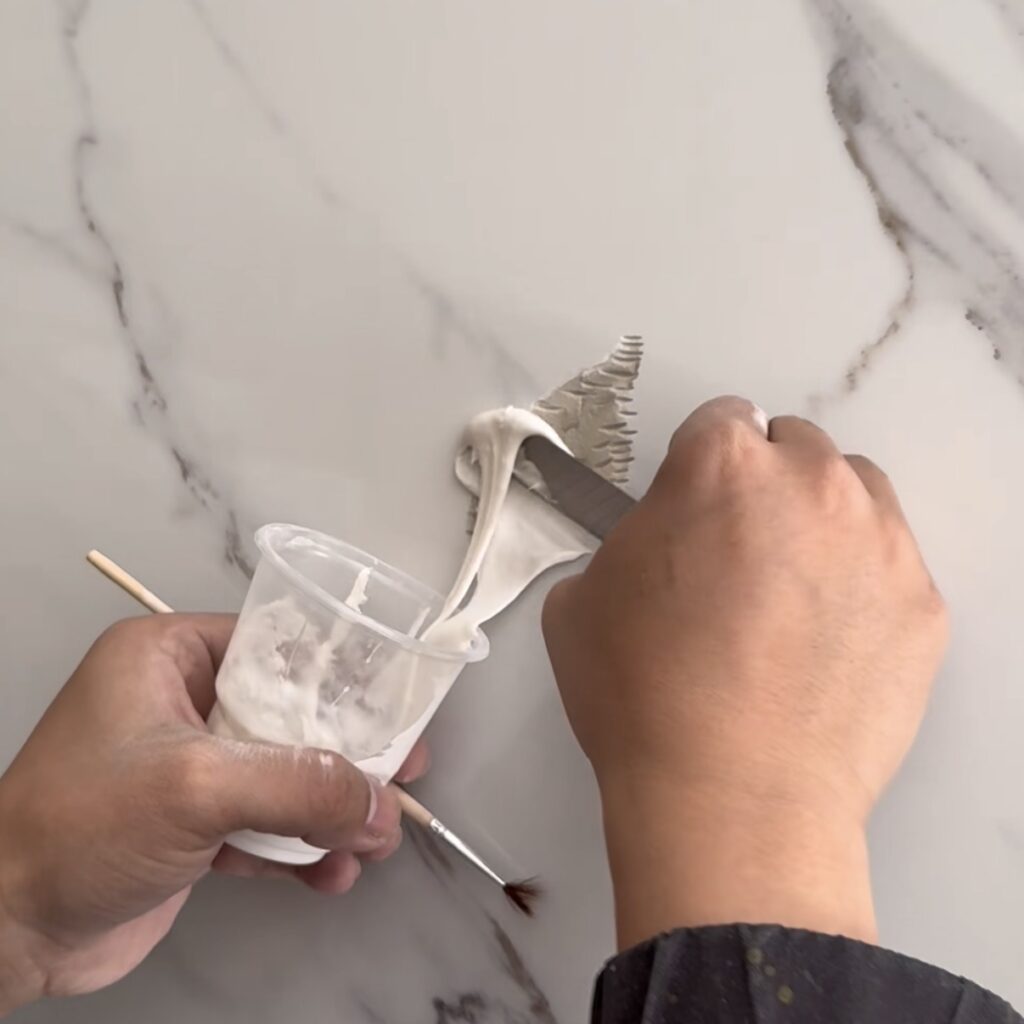
For small chips or edge damage, the common repair method is to use color-matched resin, epoxy, or professional stone repair filler. The technician fills the damaged area, shapes it, and then polishes or finishes it to make the repair less visible.
For light scratches or surface marks, the repair method depends on the finish. Glossy surfaces, matte surfaces, textured surfaces, and soft-gloss finishes may need different treatment. Some marks can be cleaned with the right cleaner, while others may need professional polishing or surface treatment.
However, the repair result is not always completely invisible. On white, beige, or busy marble-look patterns, small repairs are often easier to hide. On pure black, solid colors, or very uniform surfaces, repaired areas may be more noticeable.
Before repairing sintered stone, it is important to check:
- Is the damage only on the surface or edge?
- Is the slab cracked through the body?
- Is the color easy to match?
- Is the surface glossy, matte, or textured?
- Is the damaged area in a highly visible position?
For small damage, repair can be a practical solution. But for large visible cracks, especially on countertops or table tops, replacement may provide a better long-term result.
4. When Sintered Stone Cannot Be Fully Repaired
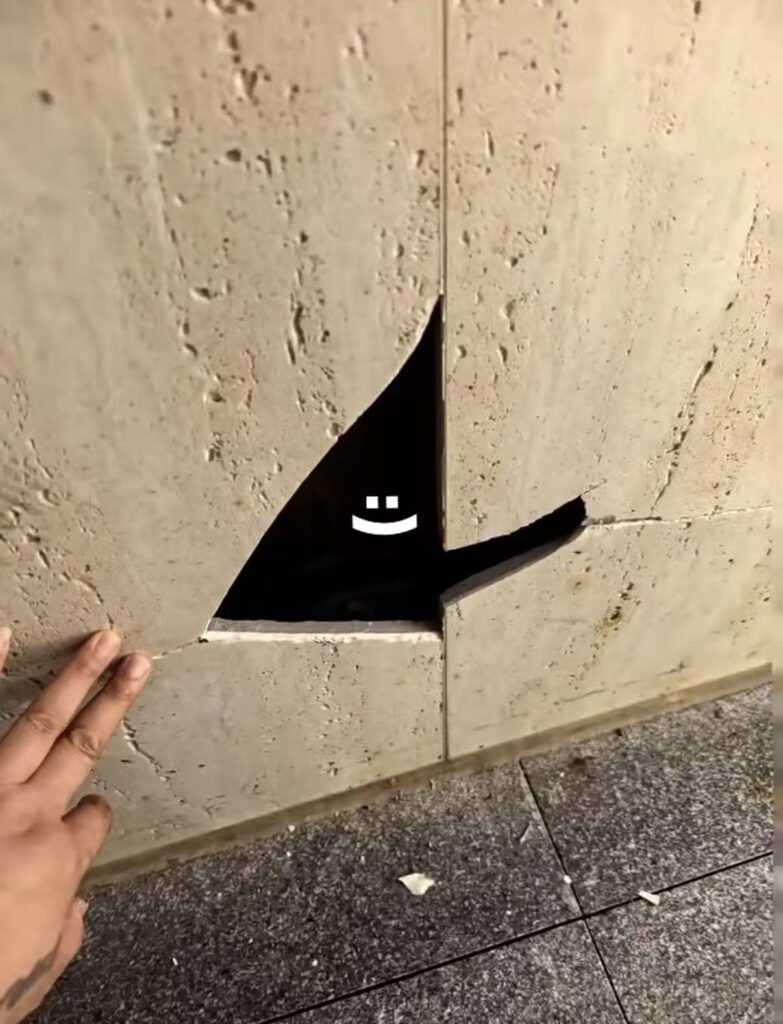
Not all sintered stone damage can be perfectly repaired.
If the slab has a deep crack, a broken corner, or a crack running through the body, the repair may only improve the appearance but may not restore the original strength. This is especially important for countertops, kitchen islands, dining tables, stairs, and other areas that need strong structural support.
The following situations are usually difficult to repair perfectly:
Full-body cracks
If the crack goes through the slab, the repaired area may still remain weak.
Large broken corners
A large missing corner can be filled, but it may still be visible, especially on patterned or dark-colored slabs.
Damage near sink or cooktop cut-outs
These areas carry more stress. If cracks appear around cut-outs, repair may not solve the root problem.
Uneven installation base
If the slab is cracked because the base is not flat or not fully supported, simply repairing the crack is not enough. The installation problem must be corrected first.
Severe impact damage
If the slab has been hit heavily and the structure is damaged, replacement is usually safer.
For project use, it is better to evaluate the damage with the installer, fabricator, or supplier before deciding whether to repair or replace the slab.
5. How to Prevent Damage During Cutting, Installation, and Daily Use
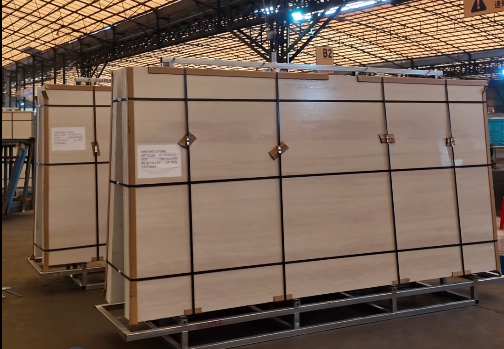
The best way to deal with sintered stone damage is to prevent it before it happens.
For cutting and fabrication, professional tools and correct cutting methods are very important. The cutting speed, blade quality, water cooling, support table, and cut-out corner treatment can all affect the final result. For sink holes, cooktop holes, and socket holes, sharp internal corners should be avoided because they can increase the risk of cracks.
For transportation, large-format sintered stone slabs should be packed with strong protection. Corners, edges, and slab surfaces need proper protection because these areas are most likely to be damaged during loading, unloading, and sea shipping.
For installation, the base surface should be flat, stable, and fully supported. Large slabs should not be forced into position, and installers should avoid creating stress points under the slab.
For daily use, sintered stone is easy to maintain, but users should still avoid heavy impact on corners and edges. Cutting directly on the surface is not recommended, especially for long-term use. For kitchen countertops and dining tables, using cutting boards and avoiding sudden heavy impact can help keep the surface in good condition.
In conclusion, sintered stone can be repaired when the damage is minor, but serious cracks or broken slabs are hard to restore perfectly. For distributors, contractors, and fabricators, choosing the right slab, using professional fabrication, and ensuring safe packaging are the best ways to reduce damage and protect the final project result.
At BJS Sintered Stone, we pay close attention to slab quality, cutting performance, edge protection, and export packaging, helping customers reduce breakage risks during shipping, fabrication, and installation.