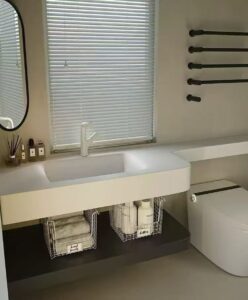
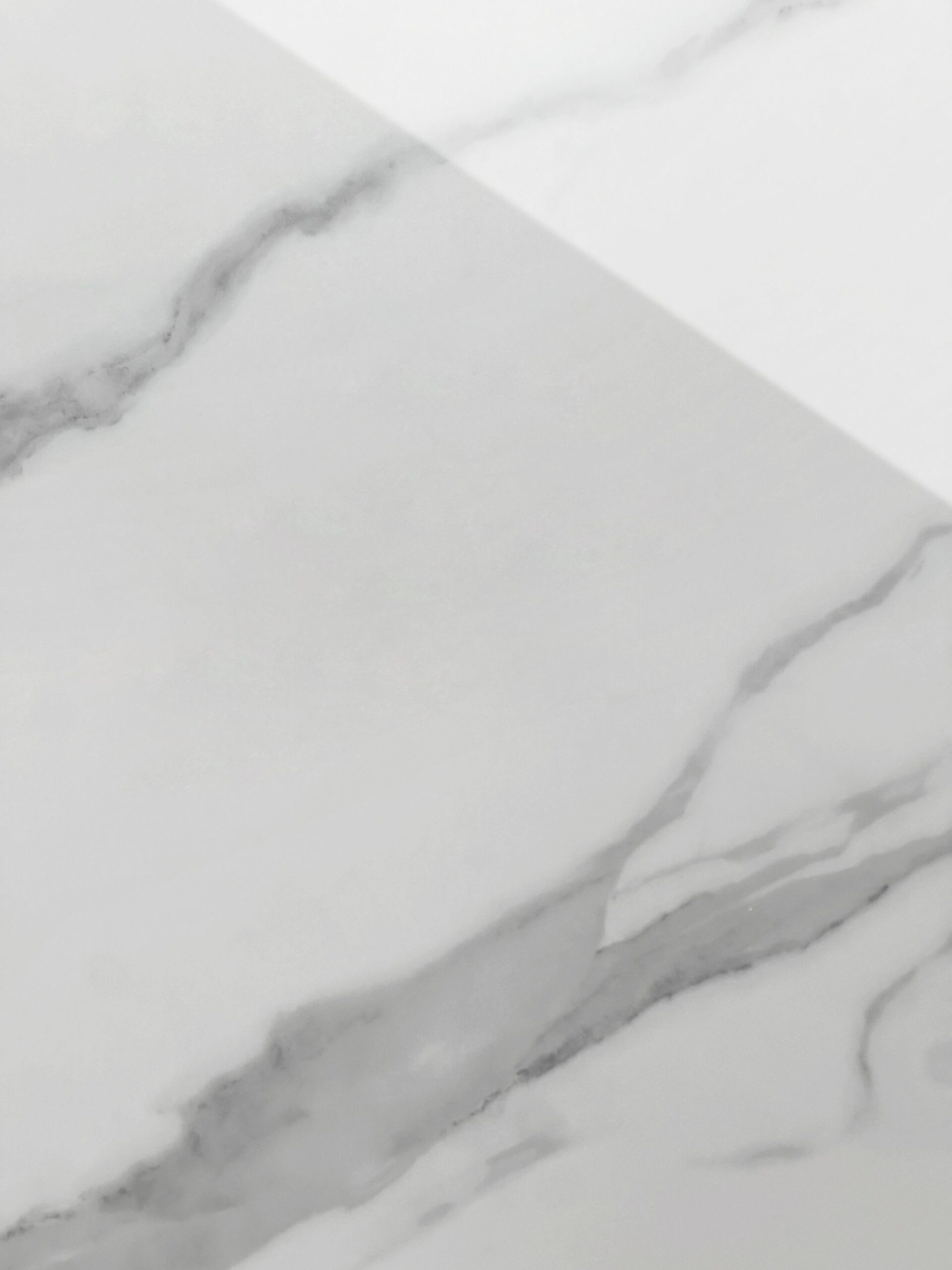
High gloss porcelain tiles do not usually scratch easily during normal residential use. Porcelain is a hard and durable material, so it can withstand regular foot traffic, furniture and daily cleaning.
However, scratches may appear when sand, metal objects or heavy furniture move across the floor. Because the surface is highly reflective, even small scratches can be more noticeable than they would be on matte tiles.
This article explains what causes scratches on high gloss porcelain tiles, how to prevent them and whether this finish is suitable for your project.
What Are High Gloss Porcelain Tiles?
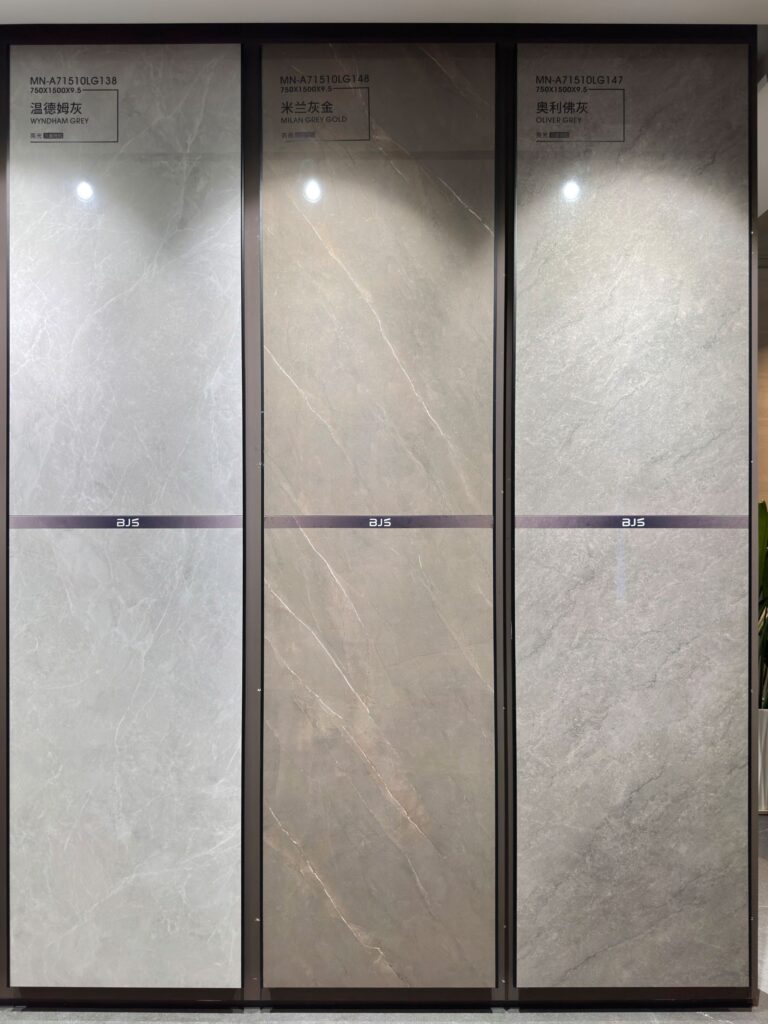
High gloss porcelain tiles have a smooth, reflective surface. Depending on the product, this appearance may be created by polishing the porcelain body or by applying and firing a glossy glaze.
These tiles are often used in:
- Living rooms
- Hotel lobbies
- Shopping areas
- Reception spaces
- Bedrooms
- Interior walls
Their reflective surface helps make a room look brighter and more spacious. High gloss tiles are also easy to wipe clean, which makes them attractive for many residential and commercial interiors.
However, the glossy finish makes surface marks, footprints and fine scratches easier to see.
Do High Gloss Floor Porcelain Tiles Scratch Easily?
The short answer is no—good-quality porcelain tiles are generally scratch-resistant. They should not develop deep scratches under normal foot traffic.
Nevertheless, “scratch-resistant” does not mean “scratch-proof.” Fine scratches can still develop over time, especially in busy areas or when abrasive particles remain on the floor.
The visibility of a scratch also depends on the tile’s color and pattern. Scratches may be more obvious on plain black or dark-colored high gloss tiles. Marble-look tiles with natural-looking veins and color variations can hide minor surface marks more effectively.
Why Do Scratches Look More Obvious on High Gloss Tiles?
A high gloss surface reflects light in a consistent way. When a scratch interrupts that smooth surface, the damaged area reflects light differently.
As a result, a very shallow scratch may become visible under direct sunlight or strong indoor lighting. The same scratch might be difficult to notice on a matte, textured or patterned tile.
This means that the actual scratch resistance of high gloss porcelain may be good, even though small marks appear more noticeable.
Polished Porcelain vs. Glossy Glazed Porcelain
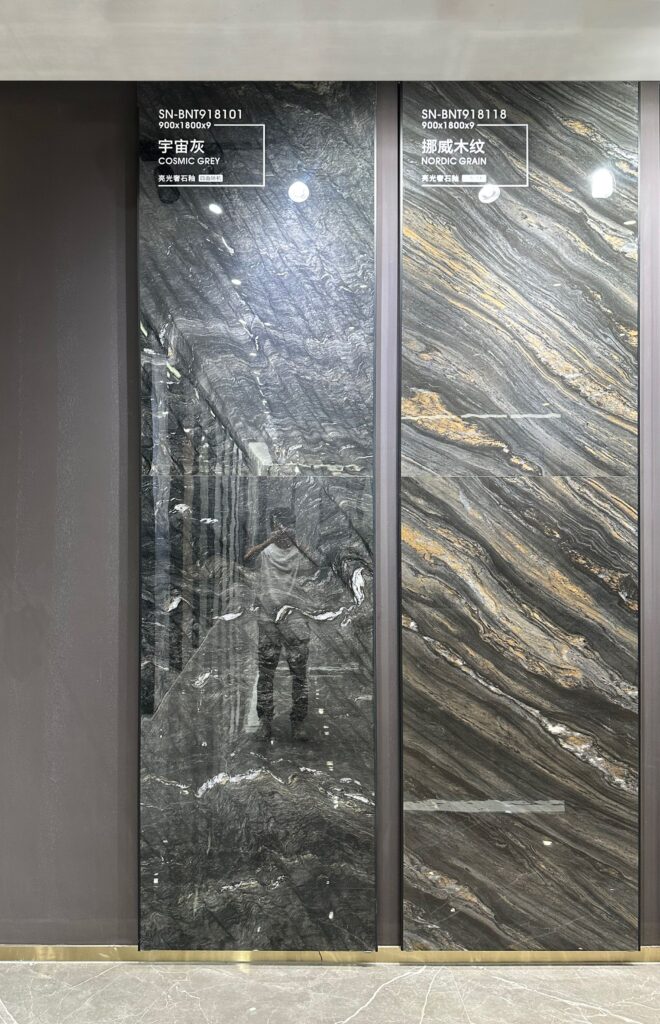
Not every high gloss porcelain tile has the same surface construction.
Polished porcelain tiles
Polished porcelain is mechanically ground and polished to create a reflective finish. The polishing process exposes the tile body and produces a smooth appearance.
The final performance depends on the density of the porcelain body, the polishing quality and any protective treatment applied after polishing.
Glossy glazed porcelain tiles
Glossy glazed tiles have a fired surface layer that provides their color, pattern and shine. Their scratch resistance depends partly on the quality and durability of this glaze.
When selecting floor tiles, confirm that the product is designed for flooring. Some glossy tiles are intended mainly for walls and may not perform well under regular foot traffic.
What Commonly Causes Scratches?
Several everyday situations can scratch or mark a high gloss porcelain floor.
Sand and grit
Sand is one of the most common causes of fine scratches. Small particles carried indoors by shoes can remain on the floor and act like abrasive material when people walk over them.
This is especially important in entrances, shops, coastal areas and buildings with heavy outdoor foot traffic.
Dragging furniture
Moving chairs, tables, cabinets or appliances directly across the floor can leave scratches. Metal furniture legs and damaged plastic feet create a higher risk.
Construction work
Newly installed floors are sometimes damaged before the project is completed. Tools, metal frames, ladders, cement particles and construction waste can scratch the surface if the tiles are not protected.
Incorrect cleaning tools
Steel wool, abrasive pads, rough brushes and cleaners containing abrasive particles may reduce the shine or create fine marks.
Metal objects
Dragging metal racks, decorations or equipment across the floor may leave either a scratch or a metal transfer mark. A metal mark can sometimes look like a scratch even though the porcelain surface itself has not been deeply damaged.
Are High Gloss Porcelain Tiles Suitable for High-Traffic Areas?
High gloss porcelain tiles can be used in some high-traffic spaces, but the product must have a suitable floor-use and wear rating.
For residential living rooms and bedrooms, good-quality high gloss porcelain normally provides sufficient durability. For shopping centers, restaurants, public entrances and other busy commercial spaces, a matte or lightly textured finish may be more practical.
Commercial projects need to consider more than scratch resistance. Slip resistance, cleaning frequency, visible footprints and long-term maintenance are also important.
A highly polished surface can become slippery when wet. It may therefore be unsuitable for bathrooms, pool areas, exterior walkways and frequently wet entrances unless the product has been tested and approved for that application.
High Gloss vs. Matte Porcelain Tiles
Both finishes can be durable, but they behave differently in daily use.
| Factor | High Gloss Porcelain | Matte Porcelain |
|---|---|---|
| Appearance | Bright and reflective | Soft and less reflective |
| Scratch visibility | Fine scratches are easier to see | Minor scratches are less noticeable |
| Footprints | More visible | Usually less visible |
| Cleaning | Easy to wipe, but needs frequent cleaning | Hides dust and marks better |
| Wet-area use | May be slippery | Often provides better grip |
| Best applications | Living rooms, lobbies and decorative interiors | Kitchens, entrances and busy commercial floors |
The right option depends on the project rather than appearance alone.
How to Prevent Scratches on High Gloss Porcelain Tiles
Proper installation and maintenance can significantly reduce the risk of scratches.
Use entrance mats
Place good-quality mats at exterior doors to collect sand, dust and small stones before they reach the tiled floor.
Sweep or vacuum regularly
Remove loose particles before mopping. If sand remains on the floor, moving a mop across it may produce fine scratches.
Use a vacuum head designed for hard flooring and make sure it does not have exposed metal parts.
Add protective pads to furniture
Install felt or rubber pads under chairs, tables and other movable furniture. Check and replace the pads regularly because sand can become trapped inside them.
Lift heavy items instead of dragging them
Heavy furniture, appliances and display racks should be lifted or moved with proper protective equipment. Do not pull them directly across the tiles.
Use non-abrasive cleaning products
Clean the surface with a soft microfiber mop and a neutral cleaner suitable for porcelain. Avoid steel wool, abrasive powders and overly rough cleaning pads.
Protect the floor during construction
After installation, cover the tiles with a suitable protective material until all other construction work is finished. Make sure the protective cover is clean underneath so that trapped grit does not rub against the surface.
Can Scratches Be Removed?
The correct treatment depends on whether the mark is a surface transfer, a light scratch or deeper damage.
First, clean the area with a neutral porcelain cleaner and a soft cloth. If the mark came from metal or rubber, it may be possible to remove it without repairing the tile.
Fine scratches on polished surfaces may sometimes be improved by a professional polishing service. However, local polishing can change the shine level and make the repaired area look different from the surrounding floor.
Deep scratches, chips and cracks are more difficult to repair invisibly. Replacing the affected tile is often the most reliable option. For this reason, buyers should keep several spare tiles from the same production batch after installation.
Do not attempt to polish glazed tiles without professional advice. Polishing may damage or remove the decorative glaze.
How to Choose Scratch-Resistant High Gloss Porcelain Tiles
Before ordering tiles for a project, ask the supplier for technical information and samples.
Important points to check include:
- Whether the product is approved for floor use
- Its recommended residential or commercial application
- Surface wear or abrasion test results
- Slip-resistance information
- Stain and chemical resistance
- Batch consistency
- Installation and maintenance instructions
Testing a physical sample is also useful. View it under direct light and place it in conditions similar to the actual project. For large commercial orders, the required performance should be agreed with the supplier before production.
Avoid relying only on a showroom sample or online photo. Two tiles with a similar glossy appearance may have different surface performance.
Should You Choose High Gloss Porcelain Flooring?
High gloss porcelain is a suitable choice when brightness, a clean appearance and visual impact are priorities. It works particularly well in living rooms, reception areas and decorative commercial interiors.
Choose a matte or textured surface if the space receives heavy foot traffic, is frequently wet or needs to hide dust and minor surface marks.
For large-format walls, countertops, furniture and other applications where fewer joints and a stone-like appearance are required, sintered stone slabs may also be considered. They are available in different finishes, thicknesses and full-body designs for a wide range of interior applications.
Frequently Asked Questions
Can dog claws scratch high gloss porcelain tiles?
Normal pet movement is unlikely to create deep scratches on good-quality floor-rated porcelain. However, sand trapped under the paws can cause fine surface marks over time.
Do high gloss porcelain tiles lose their shine?
They can gradually appear dull if the surface is repeatedly exposed to abrasive dirt, unsuitable cleaning tools or heavy commercial traffic. Correct cleaning and maintenance help preserve the finish.
Are dark glossy tiles easier to scratch?
Dark tiles are not necessarily easier to scratch, but scratches, dust and footprints are often more visible because of the contrast and reflective surface.
Can high gloss porcelain be used in a kitchen?
Yes, provided the tile is rated for flooring. However, water and cooking oil may make a polished floor slippery. Matte or lightly textured porcelain may be more practical in a busy kitchen.
Are polished porcelain tiles suitable for bathrooms?
They may be used on bathroom walls, but their suitability for bathroom floors depends on tested slip resistance. A textured or slip-resistant finish is normally safer for wet flooring.
Final Thoughts
High gloss floor porcelain tiles do not scratch easily under normal use, but their reflective finish makes fine marks more visible. Sand, dragged furniture, construction waste and abrasive cleaning tools are the main causes of surface damage.
Selecting a floor-rated product and following the correct maintenance practices can keep the surface looking good for many years.
If you are comparing porcelain tiles with large-format sintered stone for an interior project, contact BJS to discuss slab sizes, finishes, thicknesses and application requirements.