Introduction
Large-format sintered stone slabs are becoming a popular choice in modern construction and interior design. From seamless kitchen countertops to full-height feature walls, they offer a clean, high-end look that smaller tiles simply can’t achieve.
But there’s one thing many people underestimate.
Working with large slabs is not just about choosing the right design — it’s about how the material is transported, handled, and fabricated before it ever reaches the final installation.
Most issues we see on projects — cracks, edge damage, or installation failure — don’t come from the material itself. They come from how it’s handled along the way.
Why Large Slabs Need More Attention
Sintered stone is known for its strength. It’s resistant to heat, scratches, and stains, and performs extremely well in daily use.
However, large slabs behave differently from smaller tiles or thicker natural stone.
They are:
- bigger in size (often up to 3200mm in length)
- relatively thin (commonly 6mm–12mm)
- very rigid, with low flexibility
This combination means one thing:
they don’t tolerate improper force well, especially during movement.
It’s not that the material is fragile — it’s that it needs to be handled correctly.
Transport: Where Most Problems Begin
A large percentage of slab damage actually happens before the material even reaches the job site.
Proper Packaging
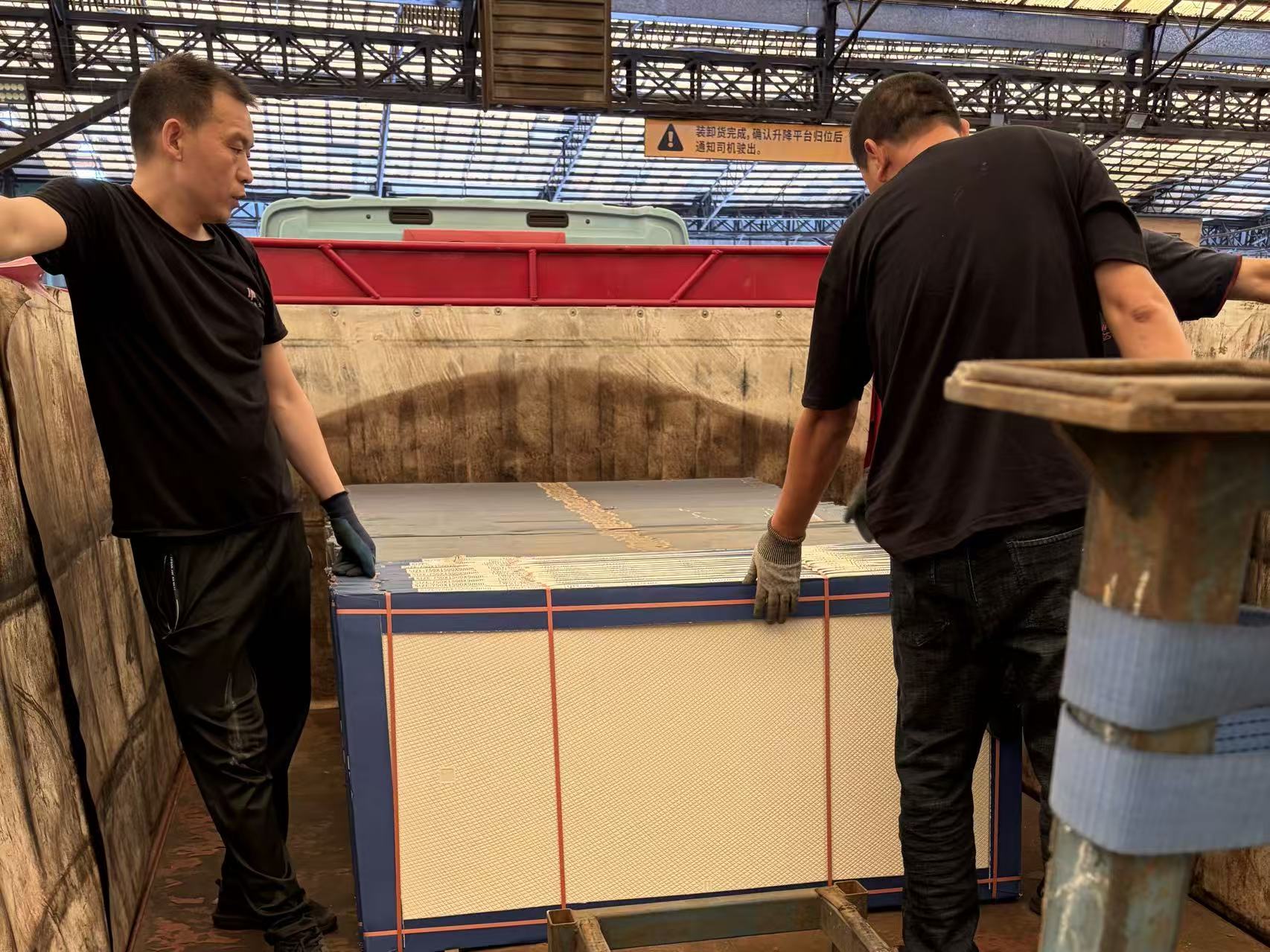
Slabs should always be packed using A-frames (steel or reinforced wooden frames), secured tightly to prevent movement.
Each slab needs:
- protective padding between surfaces
- reinforced edge protection
- stable fixation to avoid vibration
Loose packing or insufficient support is one of the fastest ways to cause hidden damage.
Always Transport Vertically
Large slabs must be transported in an upright position.
Flat loading might seem easier, but it creates uneven stress across the surface — especially during long-distance shipping. Over time, this can lead to micro-cracks or sudden breakage.
Container Loading Matters
Inside containers, slabs should be:
- properly secured
- evenly distributed
- protected from shifting during transit
Long-distance shipping without proper fixing is a common cause of edge chipping and cracks.
Handling: The Critical Moment
Even if slabs arrive in perfect condition, improper handling on-site can quickly undo everything.
Use the Right Equipment
Manual handling is risky and inefficient. Professional tools make a big difference:
- vacuum lifters for stable grip
- A-frame trolleys for movement
- lifting bars for large pieces
These tools help distribute weight evenly and reduce stress points.
Never Handle Alone
Large slabs should always be handled by at least two people — often more, depending on size.
Trying to move a slab alone creates uneven force, which can easily lead to bending stress and breakage.
Keep It Upright
From unloading to positioning, slabs should remain vertical as much as possible.
Tilting or laying them flat during movement increases the risk of damage, especially for thinner slabs.
Pay Attention to Edges
Edges are the most vulnerable part of any slab.
Even a small impact during handling can cause chipping, which may not be repairable depending on the application.
Fabrication: Precision Is Everything
Fabrication is where craftsmanship meets material performance. With sintered stone, precision isn’t optional — it’s essential.
Cutting
Cutting should be done using professional equipment such as:
- bridge saws
- CNC machines
Wet cutting is strongly recommended to:
- reduce heat buildup
- minimize internal stress
- achieve cleaner edges
Edge Finishing
Sharp edges are prone to stress concentration.
Simple treatments like:
- chamfering
- rounding
- polishing
can significantly improve durability and safety.
Drilling & Cutouts
Openings for sinks, hobs, or fixtures should be planned in advance.
Key considerations:
- use proper diamond tools
- avoid aggressive or dry drilling
- ensure smooth internal corners to reduce stress
Last-minute on-site modifications are one of the most common causes of failure.
Reinforcement
Areas around cutouts (especially sinks and cooktops) are structurally weaker.
Adding reinforcement or proper support underneath can greatly reduce the risk of cracking over time.
Common Mistakes to Avoid
From experience, most issues come down to a few avoidable mistakes:
- transporting slabs flat instead of upright
- moving large pieces without proper equipment
- handling slabs with too few people
- cutting or modifying on-site without planning
- neglecting edge protection
In reality, the material is rarely the problem.
The process is.
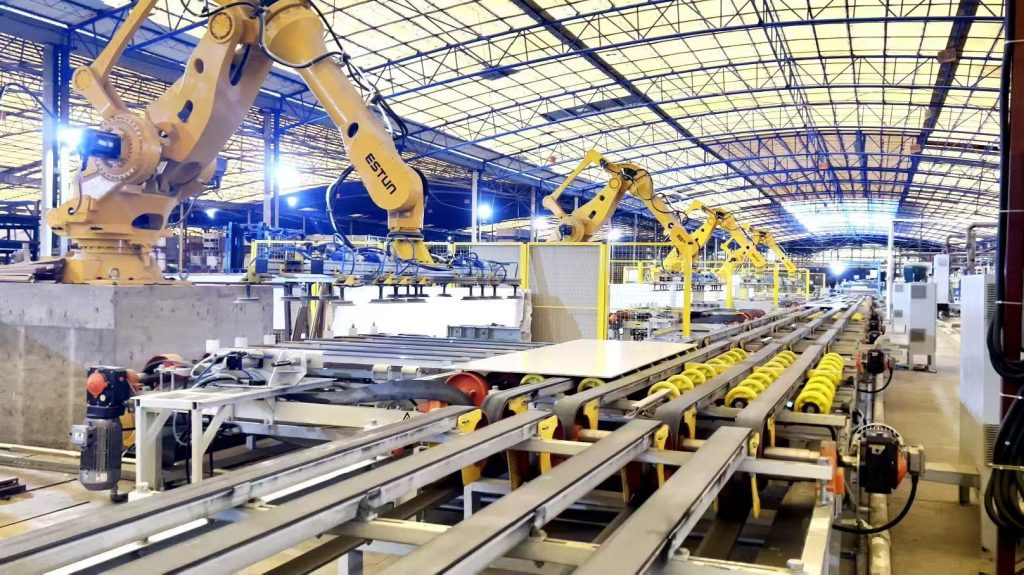
Working with the Right Supplier
A reliable supplier doesn’t just deliver slabs — they help ensure the material performs as expected.
This includes:
- proper packaging for export
- quality checks before shipment
- technical guidance for handling and fabrication
- experience from past projects
For many clients, especially those new to large-format slabs, this support makes a significant difference.
Final Thoughts
Large sintered stone slabs offer a unique combination of durability and design flexibility. When handled correctly, they deliver outstanding results in both residential and commercial projects.
But like any high-performance material, the outcome depends heavily on the process behind it.
If you’re planning a project and want to avoid unnecessary risks, it’s worth getting the right guidance early on.
Feel free to reach out if you need technical advice, samples, or project support.