Author name: redi

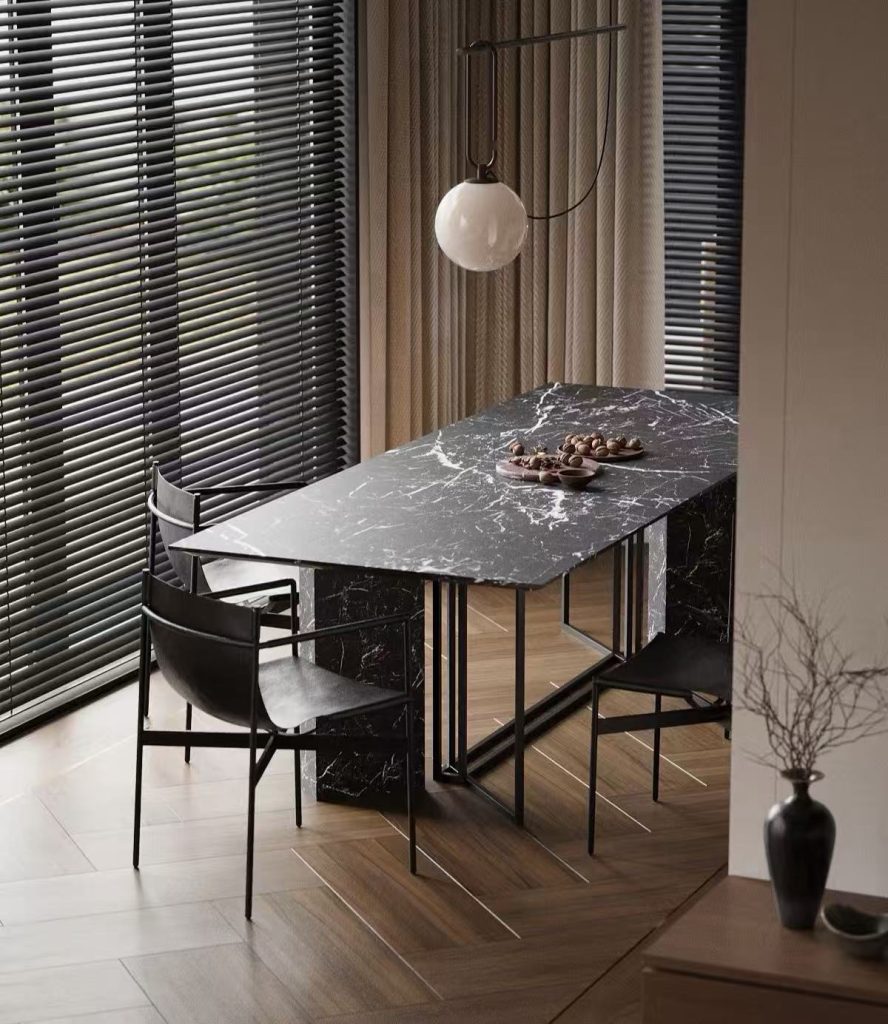
full body sintered stone dinning table in bjs

Ultimate Guide to Kitchen Slab Materials: Why Sintered Stone Is Setting a New Standard

A kitchen slab is a large, continuous piece of natural stone or manufactured surfacing material that fabricators cut into countertops, islands, or backsplashes. Buying a slab does not necessarily mean your finished kitchen will be seamless: joints depend on the slab’s usable dimensions, your layout, and installation access. For scale, a slab measuring approximately 130 […]

Ultimate Guide to Kitchen Slab Materials: Why Sintered Stone Is Setting a New Standard Read More »
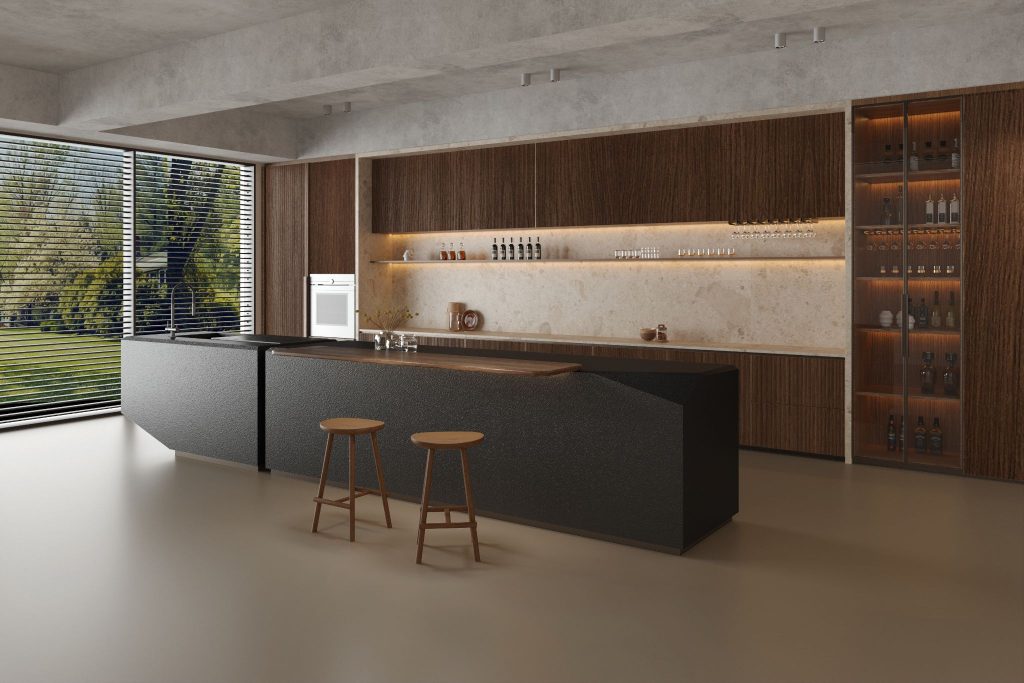
mocha jet black 1 sintered stone slab in BJS

Sintered Stone vs Quartz: Why the New Countertop Material Outperforms the Classic

Which is better, quartz or sintered countertops? Quartz currently dominates the residential kitchen market due to its predictable fabrication process and widespread availability, but sintered stone delivers superior overall performance based on extreme thermal and environmental thresholds. The decision between the two materials hinges entirely on your specific architectural layout and daily cooking habits. If

Sintered Stone vs Quartz: Why the New Countertop Material Outperforms the Classic Read More »

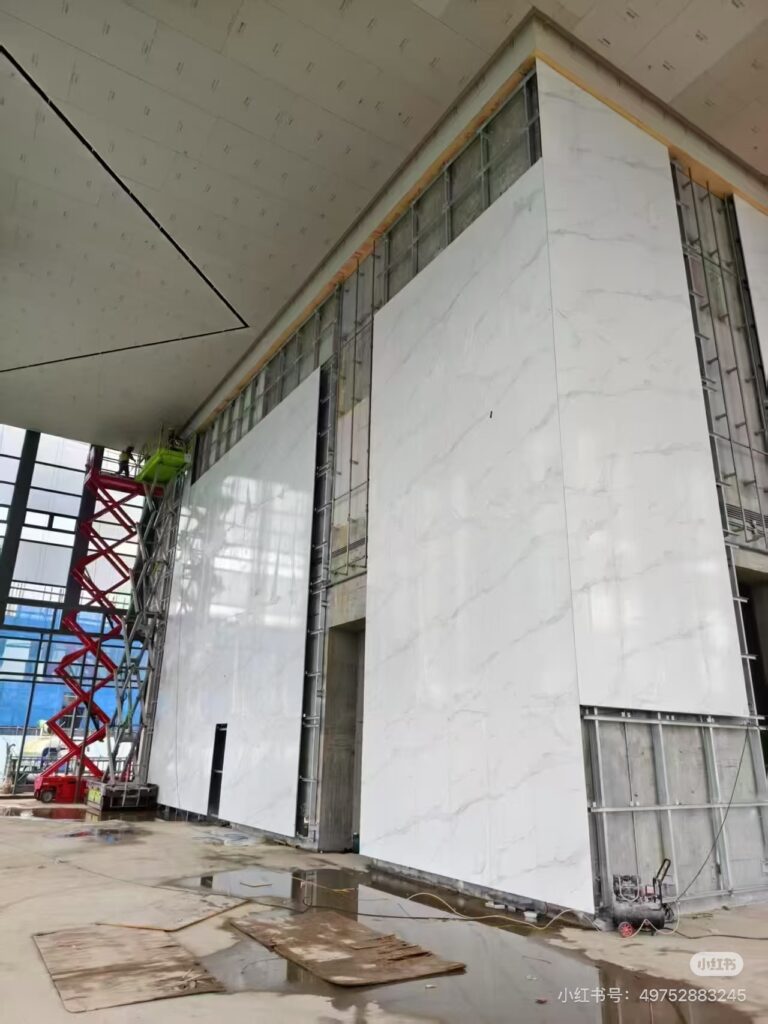
What Is a Porcelain Facade? Benefits, Applications, and Design Options

Modern building exteriors must resist rain, sunlight, temperature changes, pollution, and daily wear while remaining practical to maintain. Architects and developers also want larger surfaces, fewer visual interruptions, and finishes that reproduce marble, travertine, concrete, or other natural materials. A porcelain facade can meet many of these requirements through dense, low-absorption panels installed with an

What Is a Porcelain Facade? Benefits, Applications, and Design Options Read More »

Sintered Stone Colors: The Complete Guide to Choosing the Right Color for Every Space

Choosing the right surface material is important, but choosing the right color is what determines how that material will actually look in a finished space. With a wide range of solid shades, marble-inspired patterns, concrete effects, wood looks, and natural stone textures, sintered stone offers designers and homeowners far more flexibility than many traditional materials.

Sintered Stone Colors: The Complete Guide to Choosing the Right Color for Every Space Read More »

Best Kitchen Slab Materials: Sintered Stone, Quartz, or Granite?

Choosing the right kitchen slab is not only about color and pattern. The material must also handle heat, stains, scratches, moisture, and daily cleaning. Sintered stone, quartz, and granite are three of the most popular materials for kitchen countertops. Each has its own advantages, limitations, fabrication requirements, and price range. So, which is the best

Best Kitchen Slab Materials: Sintered Stone, Quartz, or Granite? Read More »

Do High Gloss Floor Porcelain Tiles Scratch Easily?

High gloss porcelain tiles do not usually scratch easily during normal residential use. Porcelain is a hard and durable material, so it can withstand regular foot traffic, furniture and daily cleaning. However, scratches may appear when sand, metal objects or heavy furniture move across the floor. Because the surface is highly reflective, even small scratches

Do High Gloss Floor Porcelain Tiles Scratch Easily? Read More »

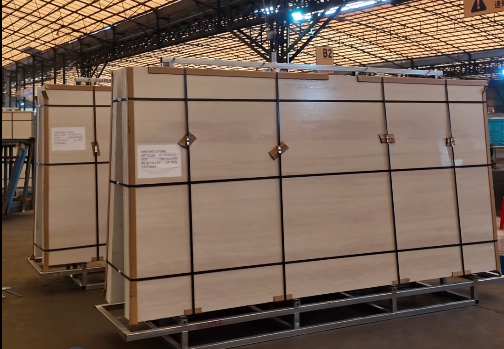
the slabs are secured with 3 horizontal and 4 vertical heavy duty straps

How Much Does Sintered Stone Weigh? How Many Square Metres Can One Container Load?

When importing sintered stone slabs, weight is important for more than freight calculation. It affects container loading, local road limits, unloading equipment, storage racks and installation planning. As a quick reference, sintered stone normally weighs about 14.4–15 kg per m² for every 6 mm of thickness. In imperial units, this is approximately 2.95–3.07 lb per

How Much Does Sintered Stone Weigh? How Many Square Metres Can One Container Load? Read More »

mocha jet black 1 sintered stone slab in BJS

Sintered Stone vs Quartz: Which Is Better for Countertops?

Sintered stone and quartz are two popular materials for kitchen countertops, bathroom vanities, wall cladding, and commercial interiors. From a distance, they may look similar. Both are available in marble-look designs, solid colors, and modern finishes. However, their composition, performance, fabrication requirements, and suitable applications are different. If you are choosing materials for a residential

Sintered Stone vs Quartz: Which Is Better for Countertops? Read More »

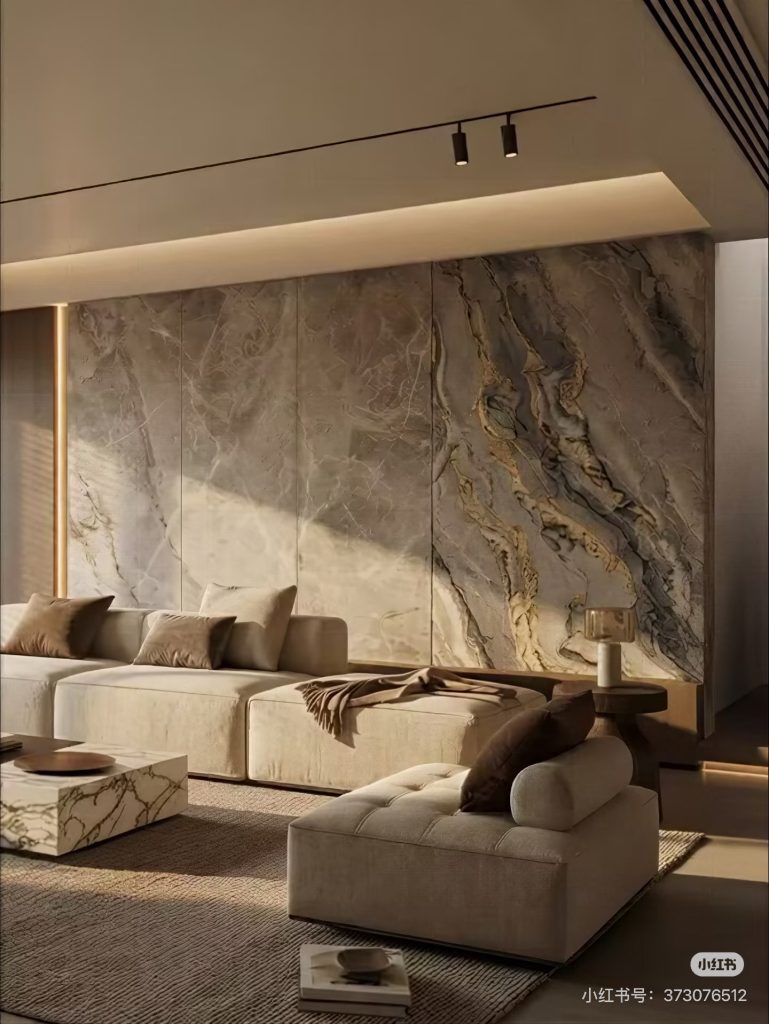
BJS Sintered stone wall

Transform Your Space with Sintered Stone Wall Cladding

Walls are no longer just structural elements. In modern residential and commercial projects, they have become an important part of the overall design. Sintered stone wall cladding offers the appearance of natural stone together with the practical performance required for modern interiors. Its large slab sizes, varied finishes, and relatively easy maintenance make it suitable

Transform Your Space with Sintered Stone Wall Cladding Read More »

How Is a Glue Dry Granule Finish Made on Sintered Stone?

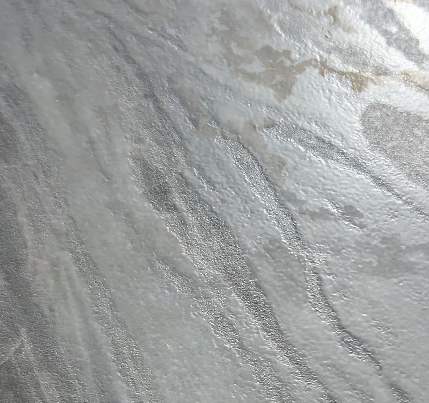
When you look closely at a premium sintered stone surface, you may notice that the texture is not completely flat. Certain veins are slightly raised, while other areas have a softer or more natural touch. This three-dimensional effect can be created using a process known as a glue dry granule finish. Although the name sounds

How Is a Glue Dry Granule Finish Made on Sintered Stone? Read More »

Scroll to Top