Sintered Stone Guide

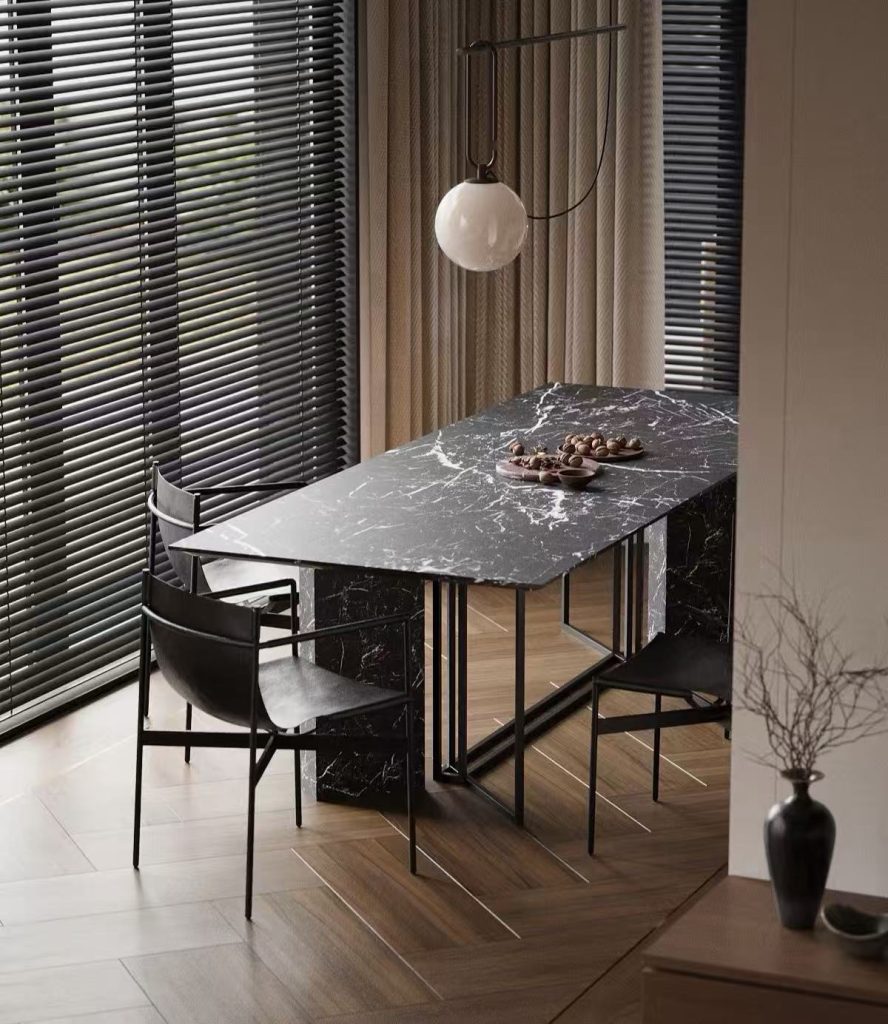
full body sintered stone dinning table in bjs

Ultimate Guide to Kitchen Slab Materials: Why Sintered Stone Is Setting a New Standard

A kitchen slab is a large, continuous piece of natural stone or manufactured surfacing material that fabricators cut into countertops, islands, or backsplashes. Buying a slab does not necessarily mean your finished kitchen will be seamless: joints depend on the slab’s usable dimensions, your layout, and installation access. For scale, a slab measuring approximately 130 […]

Ultimate Guide to Kitchen Slab Materials: Why Sintered Stone Is Setting a New Standard Read More »
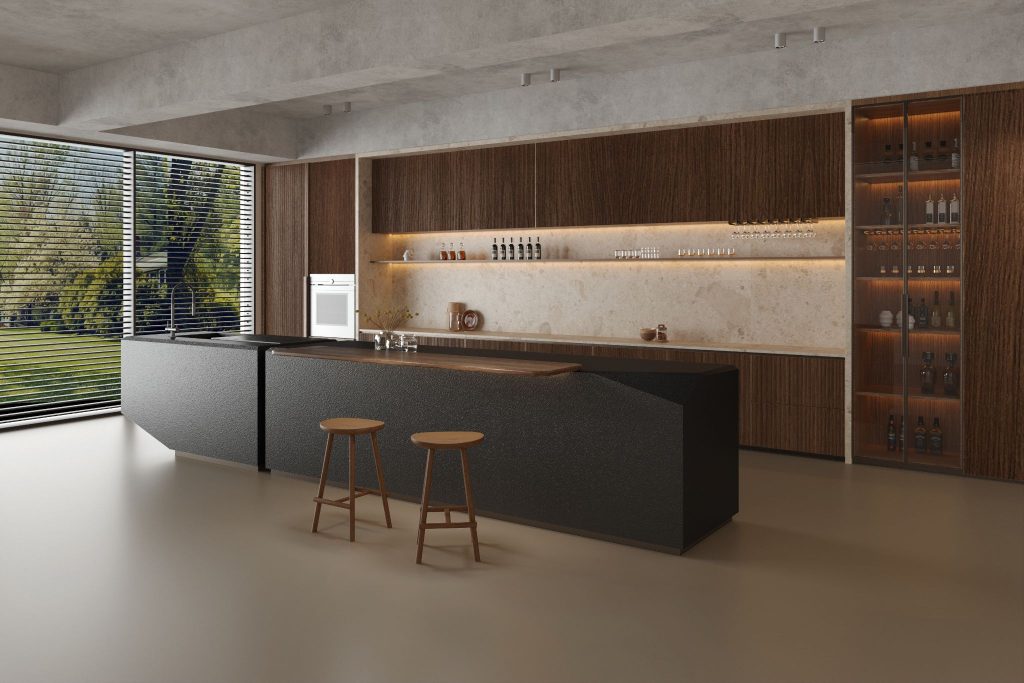
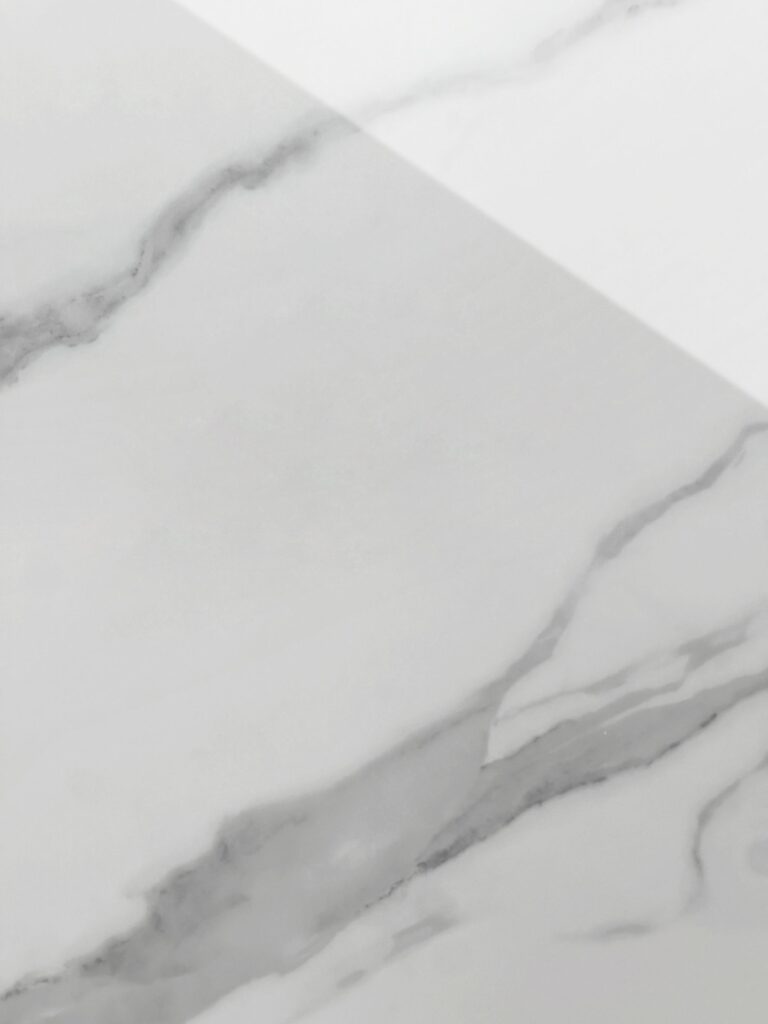
mocha jet black 1 sintered stone slab in BJS

Sintered Stone vs Quartz: Why the New Countertop Material Outperforms the Classic

Which is better, quartz or sintered countertops? Quartz currently dominates the residential kitchen market due to its predictable fabrication process and widespread availability, but sintered stone delivers superior overall performance based on extreme thermal and environmental thresholds. The decision between the two materials hinges entirely on your specific architectural layout and daily cooking habits. If

Sintered Stone vs Quartz: Why the New Countertop Material Outperforms the Classic Read More »

Do High Gloss Floor Porcelain Tiles Scratch Easily?

High gloss porcelain tiles do not usually scratch easily during normal residential use. Porcelain is a hard and durable material, so it can withstand regular foot traffic, furniture and daily cleaning. However, scratches may appear when sand, metal objects or heavy furniture move across the floor. Because the surface is highly reflective, even small scratches

Do High Gloss Floor Porcelain Tiles Scratch Easily? Read More »

mocha jet black 1 sintered stone slab in BJS

Sintered Stone vs Quartz: Which Is Better for Countertops?

Sintered stone and quartz are two popular materials for kitchen countertops, bathroom vanities, wall cladding, and commercial interiors. From a distance, they may look similar. Both are available in marble-look designs, solid colors, and modern finishes. However, their composition, performance, fabrication requirements, and suitable applications are different. If you are choosing materials for a residential

Sintered Stone vs Quartz: Which Is Better for Countertops? Read More »

How Is a Glue Dry Granule Finish Made on Sintered Stone?

When you look closely at a premium sintered stone surface, you may notice that the texture is not completely flat. Certain veins are slightly raised, while other areas have a softer or more natural touch. This three-dimensional effect can be created using a process known as a glue dry granule finish. Although the name sounds

How Is a Glue Dry Granule Finish Made on Sintered Stone? Read More »

BJS Sintered stone cabinet countertop

Sintered Stone vs Marble: Which One Should You Choose?

When choosing materials for countertops, wall cladding, bathroom vanities, dining tables, or commercial spaces, marble is often one of the first materials people think of. It looks natural, elegant, and timeless. However, in recent years, sintered stone has become a strong alternative, especially for projects that require durability, easy maintenance, and a more stable supply.

Sintered Stone vs Marble: Which One Should You Choose? Read More »

sintered stone vs tile from the surface look

Why Is Sintered Stone More Expensive Than Ceramic Tiles? Cost Breakdown Explained

Why Is Sintered Stone More Expensive Than Ceramic Tiles? If you compare prices, sintered stone is usually more expensive than standard ceramic tiles. Many buyers wonder: “Both are made from minerals and fired at high temperatures. Why is the price so different?” The answer lies in the manufacturing process, material performance, slab size, and long-term

Why Is Sintered Stone More Expensive Than Ceramic Tiles? Cost Breakdown Explained Read More »

thickness horizonal (2)

How to Choose the Right Sintered Stone Slab Thickness?

When people first start sourcing sintered stone slabs, one of the most common questions is: “How thick should the slab be?” At first glance, it seems simple. Many buyers assume thicker is always better. But in reality, the right thickness depends on the application, installation method, weight requirements, and fabrication details. A 3mm slab and

How to Choose the Right Sintered Stone Slab Thickness? Read More »

sintered stone vs tile from the surface look

Sintered Stone Slab vs Ceramic Tiles: What Is the Difference?

For many interior decoration companies, contractors, and project builders, ceramic tiles are already a very familiar material. They are widely used for floors, walls, bathrooms, kitchens, and many commercial spaces. But in recent years, another material has become more popular in high-end residential and commercial projects: sintered stone slab. At first glance, sintered stone slabs

Sintered Stone Slab vs Ceramic Tiles: What Is the Difference? Read More »

travertine sintered stone wall with deep dark sintered stone floor

Sintered Stone Explained: Composition, Science, and Performance Benefits

When you’ve spent years handling different surface materials — from natural marble to quartz composites — you start to recognize that each one carries its own personality. Some are beautiful but delicate; others are tough but lack refinement. Then, one day, I came across sintered stone, and it completely redefined how I thought about surfaces.

Sintered Stone Explained: Composition, Science, and Performance Benefits Read More »

Scroll to Top